2026 Best Forklift Solid Tires for Global Buyers Guide?
In the world of material handling, choosing the right equipment is crucial. Forklift Solid Tires play an essential role in optimizing performance and safety. These tires are designed for heavy loads and rough terrains, making them a preferred choice for many industries. With advancements in technology, solid tires have evolved substantially.
Global buyers face diverse options, each catering to specific needs. The market is flooded with various brands and specifications, creating confusion for decision-makers. Not every solid tire is suitable for every application. Understanding the unique features of Forklift Solid Tires is key to making informed choices.
While the benefits are significant, buyers must also consider potential downsides. Some solid tires may offer less cushioning, impacting ride comfort. Balancing durability and comfort is often a dilemma. Accurate knowledge can help mitigate these issues, ensuring that investments are sound and efficient.
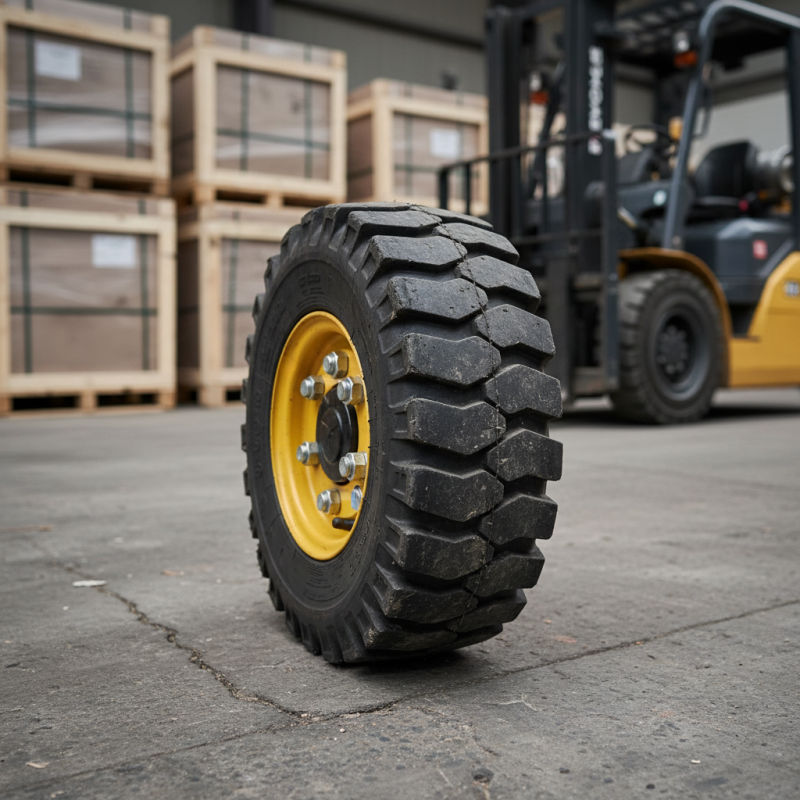
Understanding Forklift Solid Tires: Key Features and Benefits
Understanding forklift solid tires involves recognizing their key features and benefits, crucial for optimizing warehouse operations. Solid tires are designed for heavy loads and harsh conditions. According to industry reports, over 60% of forklifts in manufacturing environments utilize solid tires due to their durability and puncture resistance. Unlike pneumatic tires, solid tires require minimal maintenance, saving time and costs.
A critical feature of solid tires is their increased stability. They provide a lower center of gravity, which enhances safety while handling materials. Additionally, solid tires often experience less wear over time, leading to a prolonged lifespan. However, they can be stiffer and less shock-absorbent than pneumatic tires. This sometimes results in a rougher ride, which may affect operator comfort.
Performance data highlights that solid tires can improve load capacity by 20% under certain conditions. However, it is important to assess specific operational needs. Different environments may call for varying tire types. Evaluating tire options ensures that companies can maximize both efficiency and safety in their logistics processes.
2026 Best Forklift Solid Tires Comparison
This bar chart represents the ratings of key features for solid forklift tires in 2026. Ratings are based on a scale from 1 to 10, with higher values indicating better performance in durability, traction, comfort, cost-efficiency, and lifespan.
Types of Solid Tires for Forklifts: A Comparative Overview
When considering solid tires for forklifts, several types stand out. First, you have the rubber solid tires which are popular for their cushioning effect. They absorb shock well, providing a smoother ride on uneven surfaces. Research from industry experts indicates that rubber tires can enhance safety and reduce operator fatigue significantly.
Another type is polyurethane solid tires. These are known for their durability and resistance to wear. They can last up to 20% longer than rubber tires. However, they can be harsher on the operator, which can be a downside in some environments.
For those working in extremely heavy-duty settings, steel solid tires are an option. They offer unmatched durability, but they are not as comfortable. Operators may experience more vibrations and less cushioning.
Tip: Always assess the surface conditions and load types before selecting a tire. A wrong choice can lead to increased maintenance costs.
The selection process is critical. Each type of tire has strengths and weaknesses. The right solid tire can improve efficiency and safety in your operations. However, costs may vary significantly based on the type. Balancing performance and budget is essential.
Top Manufacturers of Solid Tires: Industry Leaders and Innovations
The solid tire market for forklifts is expanding rapidly. Key players are innovating their products to meet industry demands. High-quality solid tires offer durability and performance. They enhance safety on various surfaces and help reduce maintenance costs.
Recent advancements include improved rubber compounds. These compounds offer better wear resistance and grip. Many manufacturers are focusing on sustainability. They're using eco-friendly materials and efficient production methods. This shift reflects a growing awareness of environmental impacts.
Industry leaders are also exploring new designs. Innovations in tire tread patterns help with traction. Some companies are investing in technology to monitor tire performance. Understanding these trends can help global buyers make informed choices. Selecting the right solid tire is crucial for operational efficiency. However, some buyers still struggle with making the best decisions. They may overlook critical specifications. It's essential to evaluate tire performance in real-world conditions.
2026 Best Forklift Solid Tires for Global Buyers Guide
| Tire Type | Load Capacity (lbs) | Diameter (inches) | Tread Pattern | Durability Rating | Price Range ($) |
| Standard Solid Tire | 4000 | 20 | Smooth | High | 300-500 |
| Non-Marking Solid Tire | 3500 | 18 | Chevron | Medium | 400-600 |
| Heavy-Duty Solid Tire | 5000 | 22 | Lug | Very High | 600-800 |
| Polyurethane Solid Tire | 3000 | 16 | Multi-Purpose | Medium | 250-450 |
Selecting the Right Solid Tires: Factors for Global Buyers
When selecting solid tires for forklifts, several factors warrant careful consideration. The type of terrain is paramount. Smooth surfaces require different tires than rough or uneven ground. Additionally, load capacity affects your choice. Ensure the tires can support the maximum load your forklift will carry. Don’t overlook the hardness of the tire material either. Softer tires provide more grip but wear out quickly.
Tips: Always check tire specifications for load ratings. Test the tires on various surfaces if possible. It’s important to weigh short-term savings against long-term durability. Tire options can be overwhelming. Reflect on your operational needs before making a decision.
The climate also plays a role in your tire selection. Hot temperatures can lead to faster degradation of softer tires. Cold climates may require tires that maintain flexibility. Keep in mind the maintenance and replacement cycles. Regular inspections can prevent unexpected downtime. Explore the balance between quality and cost. Striking this balance can lead to more efficient operations and potentially save money in the long run.
Maintenance and Care for Forklift Solid Tires: Best Practices
Maintaining forklift solid tires is crucial for safety and efficiency in any operation. Regular inspections are essential. Look for signs of wear, cuts, or damages. Check the tire pressure frequently, as improper inflation can lead to uneven wear. Keeping tires clean improves their lifespan. Dirt and debris can cause abrasions that compromise tire integrity.
Consider scheduling routine maintenance checks. Document these sessions to track tire performance over time. Be aware that neglecting tire maintenance can lead to costly downtimes. Faulty tires can also pose safety risks. If issues arise, replacement should be prioritized.
Employees must be trained in tire care. Highlight the importance of awareness among the team. Minor mistakes, like driving over debris, can escalate into major problems. Encouraging proactive behavior can prevent future headaches. Ultimately, a systematic approach to maintenance fosters a reliable and efficient operation.