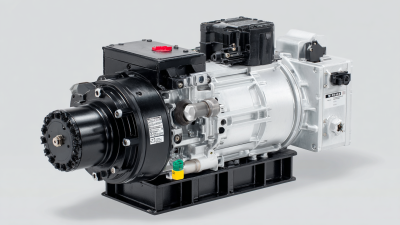
2026 Best Hydraulic Pump Motor for Global Buyers Insights?
In the evolving landscape of industrial machinery, the hydraulic pump motor stands as a crucial component. Its efficiency can significantly impact operational performance. The global demand for these motors continues to rise, driven by diverse applications across sectors.
Understanding the intricacies of hydraulic pump motors is essential for buyers. Many factors influence their selection, from power output to physical dimensions. A reliable hydraulic pump motor should enhance functionality while minimizing maintenance requirements.
However, navigating the marketplace can be challenging. Buyers often face a plethora of options, each with varying specifications. This complexity may lead to confusion and indecision. It's essential to weigh the pros and cons of each choice, ensuring that your selection meets both operational needs and budget constraints.
Overview of Hydraulic Pump Motors: Types and Applications
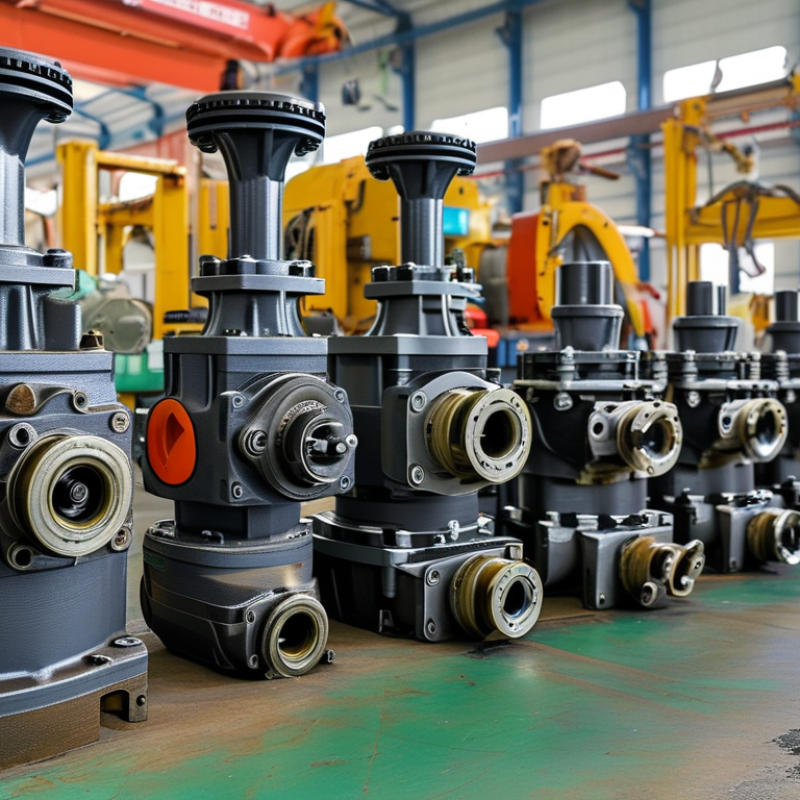
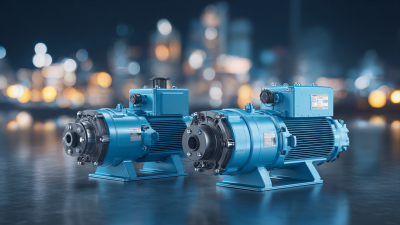
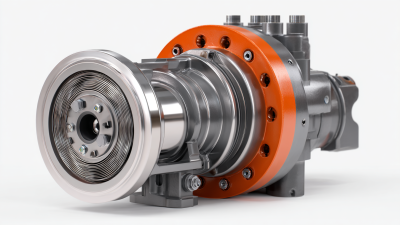
Hydraulic pump motors are crucial in diverse industries. They convert hydraulic energy into mechanical work. Understanding their types and applications is essential for buyers. There are several types of hydraulic pump motors, including gear, vane, and piston motors. Each type has unique strengths, making them suitable for various scenarios.
Gear motors are robust and compact, perfect for light applications. Their simplicity leads to lower maintenance needs.
Vane motors are known for their versatility. They work well in medium power contexts.
Piston motors often handle heavy-duty tasks, providing high efficiency. According to a report by the International Hydraulic Association, the global hydraulic motor market is projected to reach $4.5 billion by 2026.
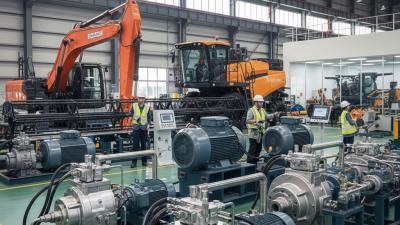
Applications of hydraulic pump motors span construction, agriculture, and manufacturing. In construction, they power cranes and excavators. In agriculture, hydraulic systems drive tractors and harvesting machines. Despite their advantages, hydraulic systems face challenges. Issues like leaks and inefficient energy use occur. Adopting new technologies could improve performance. Innovating in system design may mitigate these inefficiencies.
Key Features to Consider When Choosing Hydraulic Pump Motors
Choosing the right hydraulic pump motor is critical for optimizing performance. Several factors influence this decision. Efficiency is a key feature. A study by the Hydraulic Institute indicates that efficient motors can reduce operational costs by up to 25%. Motors that maintain high efficiency often outperform their less efficient counterparts, leading to longer service life and lower energy consumption.
Another essential aspect to consider is the motor’s torque output. Torque determines the motor's ability to perform under heavy loads. According to industry data, selecting a motor with appropriate torque ratings can prevent failures. Inadequate torque can lead to overheating and premature wear. Thus, understanding specific application requirements is crucial.
Finally, monitoring the operating environment is vital. Conditions such as temperature, humidity, and vibration can impact motor performance. Reports highlight that motors subjected to adverse conditions may require additional protective features. By ensuring that your selection aligns with these environmental factors, you can enhance reliability and extend the lifespan of the hydraulic system. It's not just about the power—considering these details can make a significant difference in overall efficiency and performance.
Global Market Trends for Hydraulic Pump Motors in 2026
The hydraulic pump motor market is evolving rapidly. Key trends indicate growing demands in various sectors, particularly in construction and agriculture. The propulsion for this shift comes from technological advancements. These innovations are enhancing efficiency and reducing energy consumption.
Buyers are increasingly focused on compact designs and lightweight materials. This is driving manufacturers to innovate while balancing performance and cost. Additionally, sustainability is becoming a priority. More companies are seeking environmentally friendly options to reduce their carbon footprint.
Price competition intensifies in this global market. Some manufacturers struggle to maintain quality while cutting costs. This can lead to reliability concerns for some buyers. It's crucial for purchasers to evaluate options carefully. Quality cannot be compromised for lower prices. A thoughtful approach will ensure the best choices for hydraulic pump motors in 2026.
Top Manufacturers and Their Innovations in Hydraulic Pump Motors
Hydraulic pump motors play a crucial role in numerous industries. These devices convert hydraulic energy into mechanical power, making them essential for various applications. The innovation in hydraulic pump motors is driving efficiency and sustainability forward. Companies are focusing on creating pumps that consume less energy while increasing output. This shift not only reduces operational costs but also addresses environmental concerns.
Manufacturers are exploring new materials and designs. Some are using advanced composites that enhance durability and reduce weight. This can significantly improve performance. Moreover, integrating smart technologies allows for real-time monitoring and diagnostics. Such innovations can help identify issues before they lead to failures. However, the rapid pace of technology can be challenging. Not all companies can keep up, creating a gap in the market.
Despite these advancements, challenges remain. Some industries still rely on outdated hydraulic systems. Upgrading can be expensive and complex. Additionally, training personnel on new systems is essential. Without proper education, innovations may not reach their full potential. Reflection on these aspects is critical for future advancements in hydraulic systems.
2026 Best Hydraulic Pump Motor Insights
Performance Metrics: Efficiency and Longevity of Hydraulic Pump Motors
When considering hydraulic pump motors, performance metrics like efficiency and longevity are critical. Efficiency indicates how well a motor converts energy into mechanical power. A more efficient motor can reduce operational costs and decrease energy consumption. Look for motors that achieve high efficiency ratings while meeting your application’s demands.
Longevity is equally important. A motor that lasts longer means less downtime and lower maintenance costs. Factors affecting longevity include materials, design, and operating conditions. Selecting a motor designed for the specific environment can enhance its lifespan. For instance, using quality seals and bearings will help protect against wear and tear.
Tips: Regular maintenance checks can identify issues before they escalate. Clean the motor and inspect it routinely. Avoiding overloading the motor can also prolong its life. Remember, a cheap motor may save money initially but could end up costing more long-term due to frequent repairs or replacement.