

2026 Best Liquid Nitrogen Dosing System for Global Buyers

For global buyers, the 2026 search for the best Liquid Nitrogen Dosing System should begin with production reality, not attractive specifications. A reliable system must dose liquid nitrogen consistently, protect product quality, and integrate smoothly with existing filling lines. Bottles may move quickly beneath the nozzle, while a small dosing error can create pressure changes, package deformation, or unnecessary nitrogen loss.

Cryogenic engineering author Dr. Klaus D. Timmerhaus often stressed the practical principle, “Cryogenic engineering is a science of details.” That principle remains highly relevant. The best equipment combines insulated transfer lines, accurate flow control, responsive sensors, and a programmable control system. Operators should also examine cleaning access, maintenance intervals, nitrogen purity, and emergency shutoff performance. Small details matter.

Real factories are rarely perfect. Line speed changes. Ambient temperatures fluctuate. Operators make adjustments. A strong Liquid Nitrogen Dosing System should remain stable under these conditions, but no machine deserves blind trust. Buyers need documented test results, installation guidance, technical support, and clear compliance information for their target markets. Food, beverage, pharmaceutical, and industrial applications may require different materials and validation procedures.

The ideal system is not always the most expensive model. It is the one that matches container size, filling speed, dose range, and operating environment. Some suppliers promise precision without explaining testing conditions. That deserves careful questioning. A practical purchasing decision should compare measurable performance, lifecycle cost, safety design, and supplier experience. This guide examines those factors for international buyers seeking dependable performance in 2026.
2026 Best Liquid Nitrogen Dosing System for Global Buyers

What Is a Liquid Nitrogen Dosing System?

A liquid nitrogen dosing system meters extremely cold nitrogen into a container before sealing. NIST records nitrogen’s boiling point at approximately −196°C under atmospheric pressure.

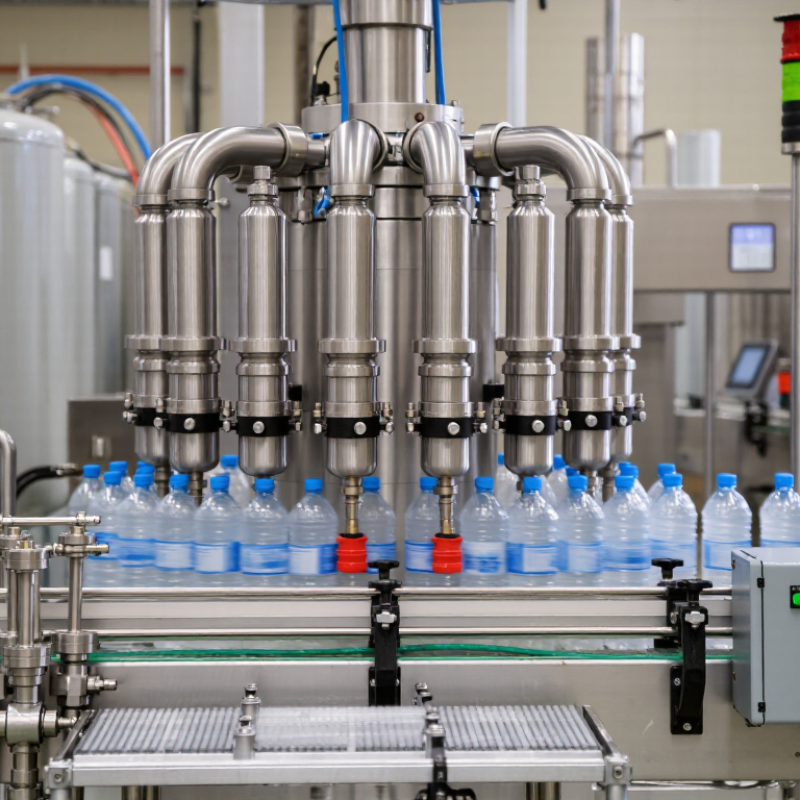
The system uses a storage vessel, vacuum-insulated pipe, dosing valve, controller, and safety sensors. At the filling line, a measured droplet enters the container. It rapidly vaporizes and expands, creating internal pressure. Small dose, measurable pressure.

This process can strengthen lightweight bottles, reduce panel deformation, and extend package stability.

Grand View Research identified food and beverage as a major application area in its 2024 liquid nitrogen market assessment, with the global market projected to grow through 2030.

However, market growth does not make every dosing system suitable. Container volume, fill speed, product temperature, and closure strength must be tested together.

A dose that works for a 500-milliliter bottle may fail in a thin pouch. That assumption deserves questioning.

Operators should verify oxygen monitoring, ventilation, pressure relief, and emergency procedures against local requirements and ISO 21010 guidance for cryogenic fluids. Experienced teams also inspect frost patterns, valve response, and dose consistency during production trials. These details reveal problems that brochures often miss.

Global buyers should request test records, calibration evidence, material certificates, and service training before approval. Reliability is measured at the line, not only on paper.

How Liquid Nitrogen Dosing Systems Work

A liquid nitrogen dosing system adds a measured drop of cryogenic nitrogen to a container before sealing. The liquid enters through an insulated supply line and a fast-response dosing valve. Inside the container, nitrogen rapidly changes into gas and expands. That pressure can strengthen lightweight packaging and reduce oxygen exposure.

The controller links dosing time with the filling machine’s speed. Sensors monitor container presence, valve timing, and supply pressure. A load cell or level sensor can help maintain a stable nitrogen supply. On a busy line, even a small timing error may create inconsistent pressure. Shorter valve pulses often improve control, but they may reduce the delivered dose.

Temperature matters greatly. Warm equipment can increase vaporization before dosing reaches the container. Operators should check nozzle alignment, line insulation, and condensation around fittings. Keep it stable. A practical installation also needs guarded access, ventilation, pressure relief, and trained personnel following local safety requirements. These details are not optional.

Real production is rarely perfect. Container shape, filling temperature, and conveyor vibration can change results. I would verify performance with repeated pressure and weight checks, rather than trusting one successful test. Calibration records should include product type, line speed, dose setting, and ambient conditions. That evidence helps buyers compare systems honestly and adjust them safely for different packaging formats.

Key Components and Dosing Process

2026 Best Liquid Nitrogen Dosing System for Global Buyers

A dependable liquid nitrogen dosing system begins with well-matched components. The storage tank must maintain stable pressure and limit heat gain. Vacuum-insulated transfer lines reduce evaporation during movement. A pressure regulator controls delivery force. The dosing valve needs fast response and reliable sealing.

A load cell or level sensor measures the container condition. The controller then adjusts each nitrogen pulse. A stainless-steel nozzle directs the liquid into bottles, cans, or sealed packages. Safety sensors monitor pressure, temperature, and access doors. Ventilation is essential. Nitrogen can displace oxygen in enclosed areas.

The dosing process starts with a visual inspection and sensor check. Operators confirm the tank level, line temperature, and target dose. The valve opens for a controlled interval. Liquid nitrogen enters the container and rapidly changes into gas. This expansion creates the required internal pressure. Timing must match container size, product temperature, and line speed.

Small errors matter. A dose that is too high may deform lightweight packaging. A dose that is too low may provide weak pressure performance. Calibration should follow documented procedures and suitable local requirements. Data logging helps identify drift over time. Commissioning teams often discover condensation near fittings, even in well-designed systems. That detail deserves attention. Regular leak checks, nozzle cleaning, and operator training support safer, more consistent production.

How to Select a System for Global Applications

How to Select a System for Global Applications

Selecting a liquid nitrogen dosing system starts with the product, not the catalogue. Measure container volume, line speed, fill temperature, and nitrogen purity. A beverage line may need stable pressure at 300 bottles per minute. A pharmaceutical line may require tighter validation, traceability, and cleaning controls. The 2024 MarketsandMarkets Industrial Gases report projects continued market growth, but regional demand does not guarantee local service quality. Check spare-parts access, operator training, voltage compatibility, and remote diagnostics before purchase.

Safety must remain practical. OSHA defines an oxygen-deficient atmosphere as below 19.5% oxygen. Therefore, every installation needs ventilation, oxygen monitoring, emergency shutdowns, and documented response procedures. ISO 21010 supports controls for cryogenic equipment performance and safety. For international projects, compare these requirements with local pressure-vessel, electrical, and workplace rules. A system that passes factory testing may still need site modifications. That part is often underestimated.

Tips: Request a witnessed factory acceptance test. Verify dosing accuracy at minimum and maximum line speeds. Ask for data logs, calibration intervals, and failure-response times. Test the system with your actual container geometry. Do not rely on brochure capacity alone. A 2023 World Bank Logistics Performance Index report also shows uneven infrastructure and customs performance across markets. Keep critical seals, sensors, and valves locally available. Perfect standardization is unlikely, so document every regional adjustment and review it after commissioning.

Safety, Compliance, and Maintenance Requirements

2026 Best Liquid Nitrogen Dosing System for Global Buyers

Safety, Compliance, and Maintenance Requirements

Selecting a liquid nitrogen dosing system requires more than checking speed, capacity, and purchase price. Buyers should verify cryogenic design, pressure protection, electrical safety, and controlled gas release. The equipment must match the container size, filling speed, and production environment. A small dosing error can create excess pressure or unstable product quality. Keep oxygen monitors near enclosed work areas. Ventilation must remain effective, even during routine cleaning.

Compliance depends on the installation country and industry. Request technical files, material specifications, operating limits, and maintenance records from the supplier. Confirm alignment with applicable pressure equipment, machinery, electrical, and workplace safety requirements. Food and pharmaceutical applications also need suitable hygienic materials and documented cleaning procedures. Staff need practical training, not only signed instructions. They should understand frostbite risks, oxygen displacement, emergency shutdowns, and safe transfer methods.

Maintenance should include daily leak checks, nozzle inspection, sensor verification, and review of abnormal pressure readings. Inspect valves, hoses, seals, and insulation for frost buildup or cracking. Keep service logs with dates, readings, repairs, and responsible personnel. Calibration intervals should follow operating conditions, not guesswork. A perfect schedule does not exist. Dust, humidity, and frequent starts can change wear rates. One overlooked seal may cause repeated downtime. Test alarms under controlled conditions, and never bypass them to maintain production. Certified technicians should handle repairs and verify the system before restarting.

Choose a global leader for your hydraulics solutions

How can we help you?

Call to 0034 943884600 Contact us
Call us Contact us

We use cookies to ensure that we give you the best experience on our website. If you continue without changing your settings, we'll assume that you agree to receive cookies on the HINE website. For more information read our cookie policy page, click the link for more information.plugin cookies

ACEPTAR
Aviso de cookies