

Choosing reliable diode suppliers requires more than comparing catalog prices. This guide examines the 2026 market for global buyers seeking dependable Silicon Diode solutions. It focuses on technical performance, manufacturing consistency, documentation, and practical supply support.
The review considers suppliers serving automotive, industrial, renewable energy, telecommunications, and consumer electronics applications. Key checks include reverse voltage, forward current, leakage performance, reverse recovery time, thermal resistance, and package durability. A diode that performs well in a laboratory may behave differently inside a hot inverter cabinet. That detail matters.
Supplier evaluation also includes wafer sourcing, quality-control systems, traceability, sample policies, production capacity, and lead-time stability. Certifications can support trust, but they should not replace independent testing or engineering judgment. Buyers should request current datasheets, qualification reports, lot information, and clear warranty terms before approving a vendor.
The ranking approach is practical, not absolute. A high-volume manufacturer may suit an automotive program, while a smaller specialist may provide faster customization. This distinction is easy to miss. Pricing can also change with silicon costs, logistics pressure, exchange rates, and regional demand. Any 2026 supplier list should therefore be reviewed against current quotations and verified production evidence.
Drawing on procurement experience and semiconductor evaluation practices, the following outline compares leading candidates through measurable criteria. It aims to help engineers, distributors, and sourcing teams reduce technical surprises. No supplier is perfect. Even established vendors can face allocation delays or documentation gaps. Careful verification remains essential before a global purchasing decision.
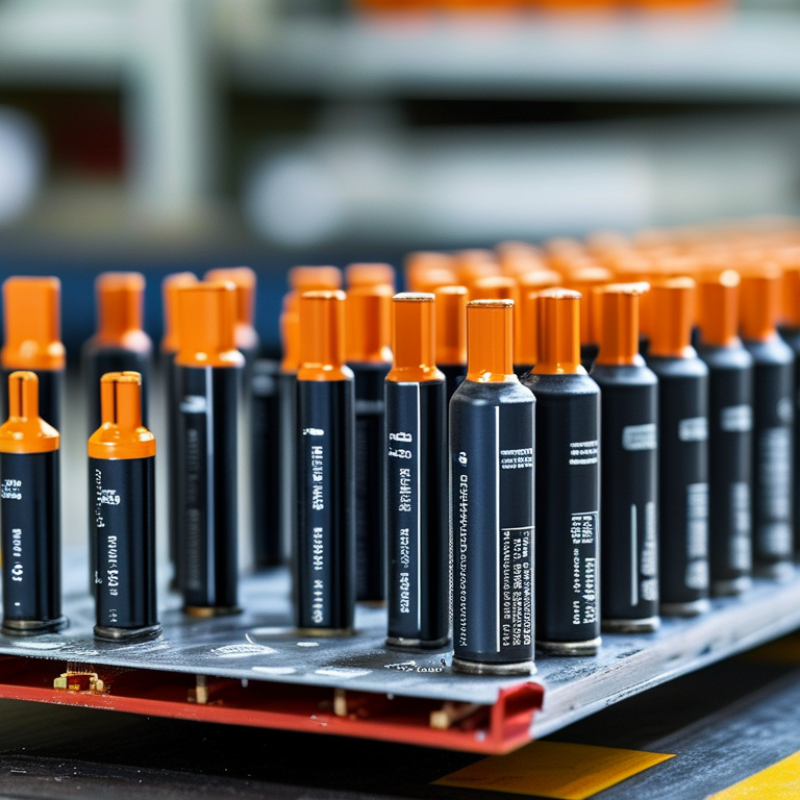
Silicon diodes are basic PN-junction devices that control current direction. They conduct forward current and block reverse voltage. This simple action supports rectifiers, polarity protection, voltage clamping, and signal detection.
In a power supply, the diode turns alternating current into pulsating direct current. A capacitor then smooths the waveform. Forward voltage creates heat, so engineers must check current, package size, and cooling conditions. Reverse leakage also increases with temperature. It can become important in compact equipment. Fast-recovery silicon diodes reduce switching losses, but they may create electromagnetic noise. The choice is never purely electrical.
The World Semiconductor Trade Statistics forecast global semiconductor sales at about 697 billion dollars in 2025, following strong growth in 2024. This broader market reflects rising demand for power-management components across industrial systems, vehicles, and consumer electronics. The International Energy Agency also expects renewable power capacity to expand rapidly through 2030, increasing demand for reliable rectification and protection circuits. These reports do not measure silicon diodes alone, so direct conclusions require caution.
Global buyers should verify datasheets, test conditions, failure rates, and traceability. Laboratory figures may not match a hot cabinet or a dusty factory floor. I have seen small design assumptions become expensive field problems. A diode rated for voltage may still fail from surges, heat, or poor mounting. Silicon remains practical and economical, but it is not automatically the best answer for every high-frequency application.
2026 Top Silicon Diode Suppliers for Global Buyers
Key Criteria for Evaluating Global Silicon Diode Suppliers
A reliable supplier should provide complete datasheets, not attractive headline ratings alone. Check forward voltage, reverse leakage, recovery time, surge capacity, and operating temperature. These figures must match test conditions. A diode rated at 1,000 volts may perform differently at high temperature or switching frequency.
Traceability matters during quality reviews. Ask for lot codes, wafer or assembly records, inspection plans, and change-notification procedures. Independent test reports can confirm thermal cycling, humidity exposure, and repetitive surge performance. Request production samples from normal inventory, not specially selected units. Small details often reveal process stability.
Production capacity also deserves close attention. Review lead times, minimum order quantities, packaging options, and backup facilities. A supplier should explain how it handles material shortages without changing specifications quietly. Engineering support is useful when a diode runs near its limits. Clear technical replies usually indicate stronger internal expertise. However, polished documents are not enough. I would still compare samples, audit records, and field feedback before approval. No supplier is perfect. Even experienced teams can overlook connector fit, marking durability, or storage conditions. Pricing should be evaluated with failure costs, inspection effort, and delivery risk included. A cheaper component may become expensive after one production delay.
In 2026, leading silicon diode suppliers serve different design priorities rather than one universal market. Large high-volume manufacturers usually offer stable rectifiers, fast-recovery diodes, and switching diodes with consistent electrical parameters. Their strengths include automated production, broad voltage ranges, and strong batch traceability. These suppliers often support automotive, industrial, renewable-energy, and consumer-electronics applications.
Specialized suppliers can be stronger in high-temperature packages, low-leakage designs, or compact surface-mount components. Regional manufacturers may provide shorter delivery routes and more flexible minimum order quantities. Authorized distribution partners add value through documented inventory, date-code visibility, and technical screening. That matters during urgent production changes. It also reduces counterfeit risk.
Specifications deserve careful comparison. Buyers should examine reverse-voltage ratings, forward-current capacity, recovery time, leakage current, thermal resistance, and surge performance. Package reliability matters near heat sinks and vibration. A datasheet is only the starting point. Actual circuit testing should confirm performance under load, temperature, and switching frequency. Some suppliers publish impressive typical values, but production limits may tell a different story. This is where careful sampling helps. No supplier fits every project. A low-cost diode can become expensive after field failures, redesigns, or delayed certification. Reliable sourcing depends on verified documents, responsive engineering support, and repeatable quality across shipments.
2026 Top Silicon Diode Suppliers for Global Buyers?
Regional supply chains now shape silicon diode purchasing decisions. Suppliers near Asian semiconductor hubs may offer broader wafer access and faster production updates. European facilities often support automotive documentation and strict traceability needs. North American distributors can simplify customs coordination, technical communication, and local inventory planning. However, regional strength does not guarantee stable delivery.
Certifications require careful checking. Buyers should request current ISO 9001 records, IATF 16949 evidence for automotive programs, and RoHS or REACH declarations. Product-level test reports matter more than general certificates. Confirm reverse-voltage ratings, forward-current limits, switching behavior, and operating temperatures. A reliable supplier should provide lot numbers, inspection records, and change-notification procedures. Ask for samples from normal production, not specially selected batches.
Buyer support becomes visible during small problems. Can the supplier explain a failed test in clear English? Can engineers review a thermal image or circuit condition? Responsive teams usually provide datasheets, application guidance, sample scheduling, and realistic lead-time updates. Regional warehouses may reduce transport delays, but stock age deserves attention. No supplier is flawless. Even strong teams can misread a forecast or miss a packaging detail. That is why buyers should compare response quality, not only unit price. A written escalation path is useful when delivery dates or electrical results change. Reliability is built through repeated evidence.
How Global Buyers Can Select the Right Silicon Diode Supplier
Supplier selection should begin with application evidence, not a low unit price. WSTS’s Spring 2025 forecast estimated global semiconductor sales at $697 billion for 2025. IEA’s Global EV Outlook 2025 reported more than 17 million electric cars sold in 2024. These figures show rising pressure on power components, including rectifier and protection diodes.
Ask each supplier for complete electrical and thermal data. Check repetitive peak reverse voltage, average forward current, surge capability, reverse-recovery time, and junction temperature limits. A diode rated for 1,000 volts may still fail under repeated surges or poor cooling. Request curves at your actual current and temperature. Generic charts are not enough.
Traceability matters. Require lot identification, incoming inspection records, reliability testing, and a documented change-notification process. For automotive or industrial equipment, review qualification evidence against the relevant IEC or AEC requirements. Verify packaging integrity, moisture controls, and sample consistency before approving volume orders. Small samples can look perfect. Production lots may not.
I would not select a supplier from certificates alone. An onsite audit, controlled sample test, and failure-analysis plan reveal more. WSTS data also indicates continued semiconductor growth, but forecasts can miss regional disruptions. Build a second-source strategy, even when the first supplier appears reliable. That extra step costs time. It may prevent a costly redesign.
Supplier selection matrix based on documented product capability, quality systems, compliance, supply continuity, and application fit
| Priority | Supplier Profile | Typical Silicon Diode Capability | Relevant Quality Evidence | Best-Fit Applications | Global Buyer Advantages | Checks Before Approval |
|---|---|---|---|---|---|---|
| 01 | High-volume global manufacturer ★★★★★ | Rectifier diodes Fast-recovery diodes Schottky alternatives Typical voltage classes from 50 V to 1,200 V; current ratings commonly from 1 A to 100 A in discrete packages. | ISO 9001 quality management; product qualification commonly aligned with IEC 60747-2; automotive lines may provide IATF 16949 and AEC-Q101 evidence. | Automotive power systems, industrial power supplies, renewable-energy inverters, and high-volume consumer electronics. | Broad product portfolios, multi-region manufacturing, established change-control procedures, and stronger continuity planning. | Confirm exact datasheet revision, PCN policy, country of origin, authorized-channel traceability, and lifecycle status. |
| 02 | Power-semiconductor specialist ★★★★★ | High-current rectifiers Stud diodes Press-pack devices Typical ratings may extend from 600 V to 6,000 V and from tens of amperes to above 1,000 A, depending on package and cooling method. | ISO 9001; controlled electrical, thermal, and mechanical qualification data; production testing for surge current, leakage, and thermal performance. | Traction systems, HVDC equipment, industrial drives, welding equipment, and heavy-duty rectifier assemblies. | Strong application engineering, customized mechanical formats, high surge-current capability, and support for demanding thermal designs. | Verify repetitive peak reverse voltage, average forward current derating, surge-current test conditions, mounting torque, and cooling requirements. |
| 03 | Automotive-qualified diode supplier ★★★★★ | Alternator diodes Load-dump protection High-temperature rectifiers Common operating temperature capability is approximately −40 °C to +175 °C junction temperature for qualified product families. | IATF 16949 manufacturing system; AEC-Q101 qualification where applicable; PPAP, failure-analysis, and traceability documentation may be available. | 12 V and 48 V vehicle electrical systems, battery charging, motor control, and under-hood applications. | Better support for automotive audits, controlled process changes, reliability testing, and long vehicle-program lifecycles. | Request AEC-Q101 status, PPAP level, load-dump test data, thermal cycling results, solderability data, and product-change notification terms. |
| 04 | Regional cost-competitive manufacturer ★★★★☆ | General-purpose rectifiers Bridge rectifiers Small-signal diodes Common catalog ranges include 50 V to 1,000 V and 0.1 A to 25 A, with axial, through-hole, and surface-mount packages. | ISO 9001 should be verified; buyers should request lot-level electrical test reports, reliability data, and incoming-material controls. | Consumer equipment, lighting, adapters, appliance controls, and cost-sensitive industrial products. | Competitive unit pricing, flexible order quantities, shorter communication paths, and potential customization of labels or packaging. | Audit factory capacity, verify test equipment calibration, inspect sample lots, confirm counterfeit-control procedures, and validate second-source options. |
| 05 | Authorized stocking and distribution partner ★★★★☆ | Multi-source portfolio Standard packages Rapid availability Usually offers common axial, DO, TO, SMA, SMB, SMC, and bridge-rectifier formats across low- and medium-voltage ranges. | Traceability to the original manufacturer, documented storage controls, date-code management, and formal counterfeit-mitigation procedures. | Prototype builds, maintenance orders, urgent production recovery, and products with volatile or intermittent demand. | Faster access to stock, consolidated purchasing, local technical support, and reduced minimum-order quantities. | Confirm authorized status, factory-sealed packaging, date codes, moisture sensitivity, return policy, and stock location before purchase. |
| 06 | Application-focused custom supplier ★★★★☆ | Customized die selection Special terminals Matched assemblies May tailor reverse-voltage, surge-current, forward-voltage, package, terminal, or thermal-interface requirements to a defined application. | ISO 9001 should be confirmed; design reviews, engineering change control, validation plans, and qualification samples are essential. | Low-to-medium volume equipment, replacement parts, specialized chargers, and designs requiring non-standard mechanical integration. | Better fit to application constraints, potential reduction in assembly changes, and direct engineering collaboration. | Define ownership of drawings and test data, minimum order quantity, tooling charges, validation responsibility, and end-of-life commitments. |
Buyer reference: Actual ratings, certifications, lead times, and qualification status vary by specific part number and manufacturing site. Always validate the latest datasheet, certificate, test report, country-of-origin information, and product-change policy before approving a silicon diode supplier.
How can we help you?
Call to 0034 943884600 Contact usWe use cookies to ensure that we give you the best experience on our website. If you continue without changing your settings, we'll assume that you agree to receive cookies on the HINE website. For more information read our cookie policy page, click the link for more information.plugin cookies
ACEPTAR