
2026 Top Trends in Pneumatic and Hydraulic Technology?

The realm of pneumatic and hydraulic technology is rapidly evolving. In 2026, we will witness remarkable trends shaping these fields. Innovations will redefine how industries harness compressed air and fluid power.

One notable trend is the increasing focus on energy efficiency. Companies are seeking ways to optimize their pneumatic and hydraulic systems. Advanced materials and smart technologies will play a crucial role. Sustainability will not be just a buzzword; it will be a necessity.

Moreover, safety remains a significant concern. Pneumatic and hydraulic systems can pose risks if not maintained properly. Training and education are vital. Users must engage with these technologies mindfully. As we look to the future, two-way communication with machines may become standard. Embracing change will be essential for progress, but challenges will arise.
2026 Top Trends in Pneumatic and Hydraulic Technology?

Emerging Technologies in Pneumatic Systems for 2026

The world of pneumatic systems is evolving rapidly as we approach 2026. Emerging technologies are reshaping how these systems operate. Advanced materials like lightweight composites are paving the way for more efficient designs. These materials can enhance durability while reducing weight, which improves system performance.

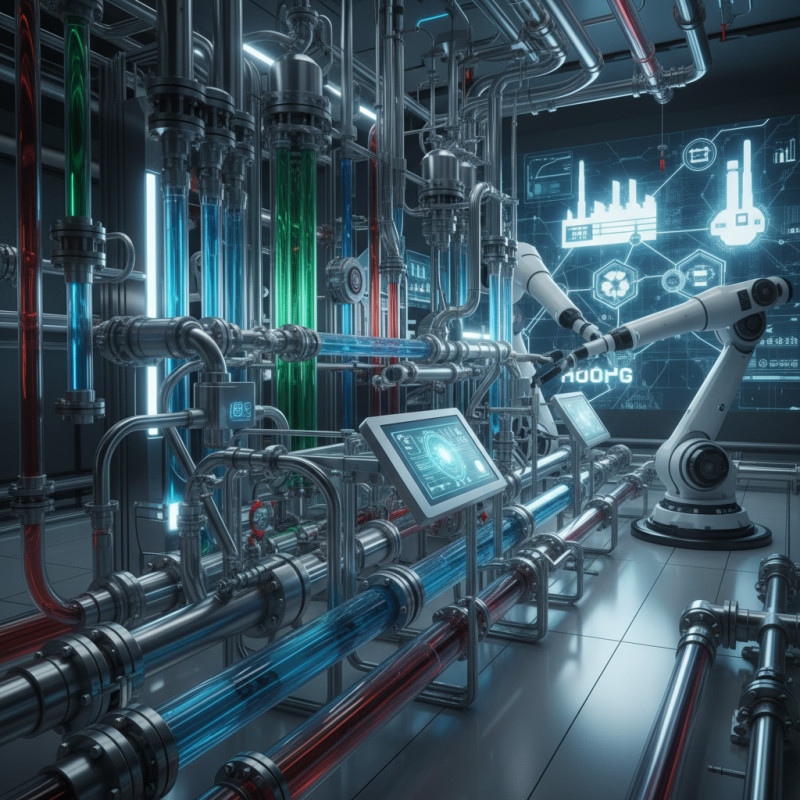
Another significant trend is the integration of smart technology. Pneumatic systems are becoming more intelligent through sensors and IoT connectivity. This allows for real-time monitoring and data analysis. Systems can now predict maintenance needs, reducing downtime. However, this shift towards smart technology raises questions about cybersecurity. How can we ensure these systems remain secure from external threats?

Collaboration between manufacturers and technology developers is vital. New solutions often require cross-disciplinary knowledge. This can lead to innovative ideas but may also create challenges. Finding a balance between cutting-edge technology and practical application is not easy. As the pneumatic industry embraces these advancements, ongoing reflection and adaptation will be crucial.
2026 Top Trends in Pneumatic and Hydraulic Technology

Advancements in Hydraulic Technology and Its Applications

Advancements in hydraulic technology showcase a vital shift in various industries. The global hydraulic systems market is projected to reach $48 billion by 2026. This growth reflects significant innovations and increased applications in sectors like construction and manufacturing. These systems improve efficiency and functionality, enabling powerful machinery to operate with precision.

Moreover, trends show a rise in digital integration. Smart hydraulic systems now utilize IoT technology for monitoring performance. This real-time data aids in predictive maintenance. It helps avoid costly downtimes in operations, a crucial aspect for many businesses. However, dependency on technology also raises concerns. Data security in hydraulic systems must be critically examined.

The adoption of lightweight materials in hydraulic components is another exciting development. These innovations can reduce energy consumption. But are we doing enough to ensure sustainability? The industry faces challenges in balancing performance and ecological impact. Enhanced recycling methods need further exploration to create a truly circular economy in hydraulic technology.

Sustainable Practices in Pneumatic and Hydraulic Systems

2026 Top Trends in Pneumatic and Hydraulic Technology?

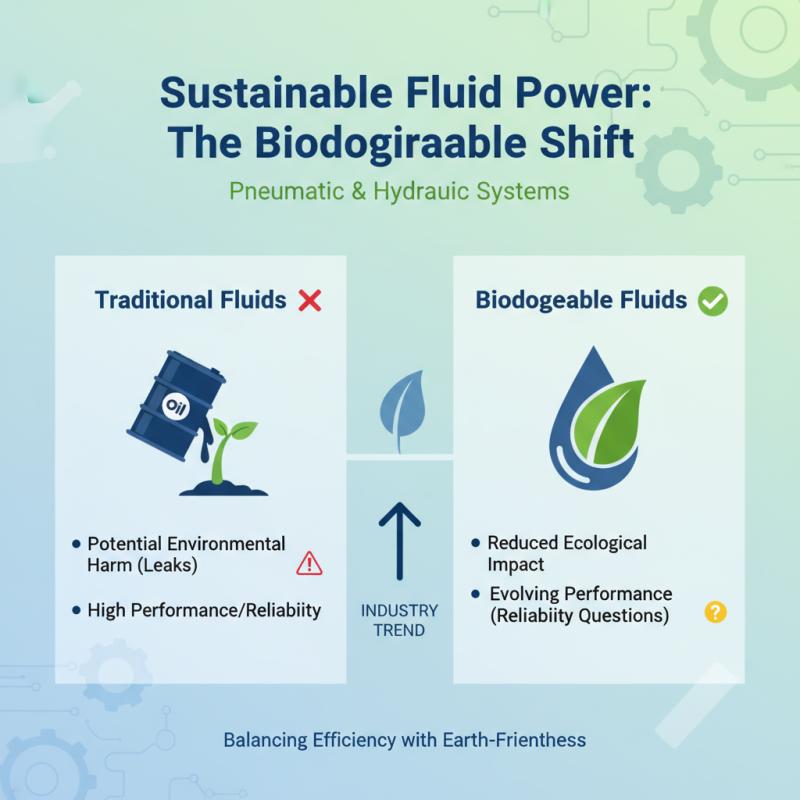
Sustainable practices in pneumatic and hydraulic systems are becoming essential. Industries are increasingly seeking ways to reduce their environmental impact. One innovative approach involves using biodegradable fluids. These fluids minimize harm if leaks occur. However, they may not offer the same performance as traditional options, raising questions about reliability.

Another trend is energy efficiency. Companies are investing in equipment that uses less power. Smart controllers can optimize energy usage and monitor system performance. These advancements are promising but might require an initial investment. Some organizations still hesitate, fearing higher upfront costs.

Lastly, recycling and reusing materials create a circular economy. Repairing rather than replacing components is another growing practice. Nonetheless, logistics and availability can complicate these efforts. It's vital to weigh the benefits against the challenges. Sustainable practices are a journey, not a destination. Continuous improvement is key in achieving true sustainability in pneumatic and hydraulic technologies.

Smart Automation and Control in Fluid Power Technology

2026 Top Trends in Pneumatic and Hydraulic Technology?

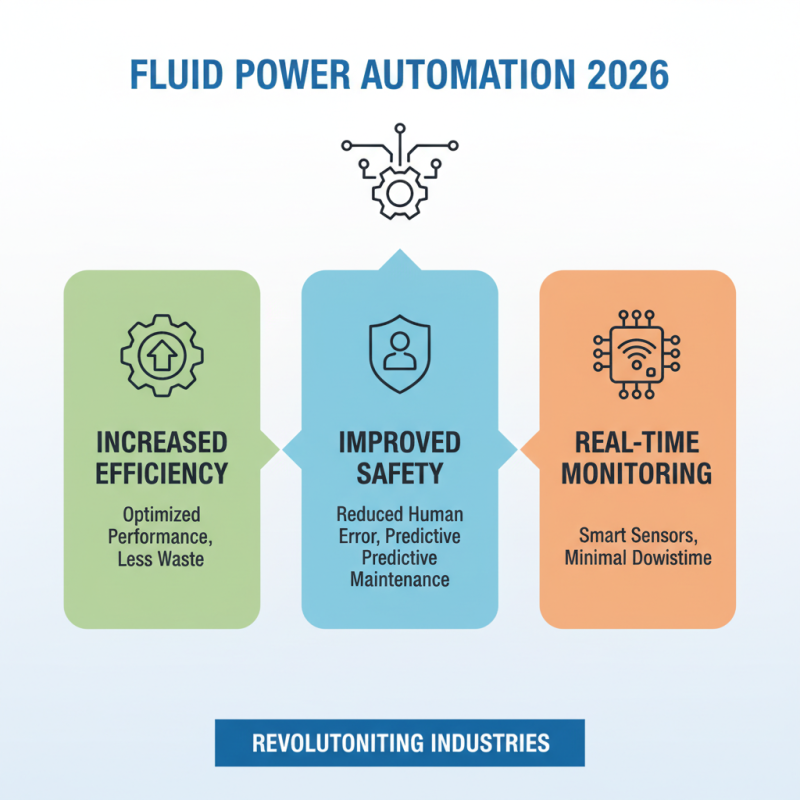
In 2026, the integration of smart automation in fluid power technology is set to revolutionize industries. Automation enhances efficiency, reducing human error and improving safety. Sensors and smart controls allow for real-time monitoring. This ensures systems run optimally with minimal downtime.

However, this shift poses challenges. Not all workplaces are prepared for high-tech integration. Training staff to manage new systems can be daunting. Additionally, reliance on technology may lead to unforeseen vulnerabilities. Equipment malfunctions or cyber threats could disrupt operations.

Embracing smart automation in pneumatic and hydraulic systems demands careful consideration. It requires a balance between innovation and practicality. Companies must be ready to adapt, reflecting on their current capabilities and limitations. Investment in training and cybersecurity should not be overlooked. The focus should remain on building resilient and adaptable systems for future demands.

Market Trends and Predictions for Pneumatic and Hydraulic Industries

The pneumatic and hydraulic industries are evolving rapidly. According to a recent market report, the global hydraulic equipment market is projected to grow at a compound annual growth rate (CAGR) of 4.5% from 2021 to 2026. This growth indicates increasing demand across various sectors, particularly construction and manufacturing. Innovations in technology are a significant driving force behind this trend. Advanced automation and control systems enhance efficiency, making pneumatic and hydraulic solutions more attractive.

Meanwhile, sustainability is becoming crucial. A study shows that 62% of industry leaders prioritize environmentally friendly technologies. Many companies are seeking to reduce their carbon footprints. However, transitioning to green solutions often presents challenges. Initial costs can be high, causing hesitation in adoption. It's essential for the industry to address these financial concerns while promoting eco-friendly practices.

In addition to sustainability, workforce challenges loom large. As the industry modernizes, skilled labor shortages are evident. Many technicians are nearing retirement, leaving a gap. This situation demands a shift in training practices. Investing in workforce development is vital, but it requires time and resources, which some companies struggle to allocate effectively. The industry must confront these realities to ensure future growth and innovation.

2026 Top Trends in Pneumatic and Hydraulic Technology

Trend Description Expected Impact Market Growth (%)
IoT Integration Utilizing Internet of Things for enhanced system monitoring and maintenance. Improved operational efficiency and predictive maintenance. 15%
Energy Efficiency Focus on reducing energy consumption in pneumatic and hydraulic systems. Lower operational costs and reduced environmental impact. 10%
Smart Equipment Development of advanced hydraulic and pneumatic equipment with smart technology. Increased automation and efficiency in manufacturing processes. 12%
Sustainability Practices Emphasis on environmentally friendly materials and processes. Enhanced brand reputation and compliance with regulatory standards. 20%
Advanced Materials Incorporation of new materials for greater durability and performance. Improved product lifespan and reliability. 8%

Choose a global leader for your hydraulics solutions

How can we help you?

Call to 0034 943884600 Contact us
Call us Contact us

We use cookies to ensure that we give you the best experience on our website. If you continue without changing your settings, we'll assume that you agree to receive cookies on the HINE website. For more information read our cookie policy page, click the link for more information.plugin cookies

ACEPTAR
Aviso de cookies