

304 Stainless Steel Sheets are a popular choice across various industries. Their unique properties make them suitable for many applications. Known for their durability and corrosion resistance, these sheets are widely used in construction and manufacturing.
Choosing 304 Stainless Steel Sheets offers long-term benefits. They maintain their strength at high temperatures and resist rust effectively. This quality is crucial in environments exposed to moisture and chemicals. Some may question their cost-effectiveness, but the durability often offsets initial expenses.
It's important to consider the specific needs of your project. Sometimes, alternatives may seem appealing, but they might not provide the same reliability. The advantages of 304 Stainless Steel Sheets often outweigh the downsides. Proper research will help ensure the best choice for your needs.
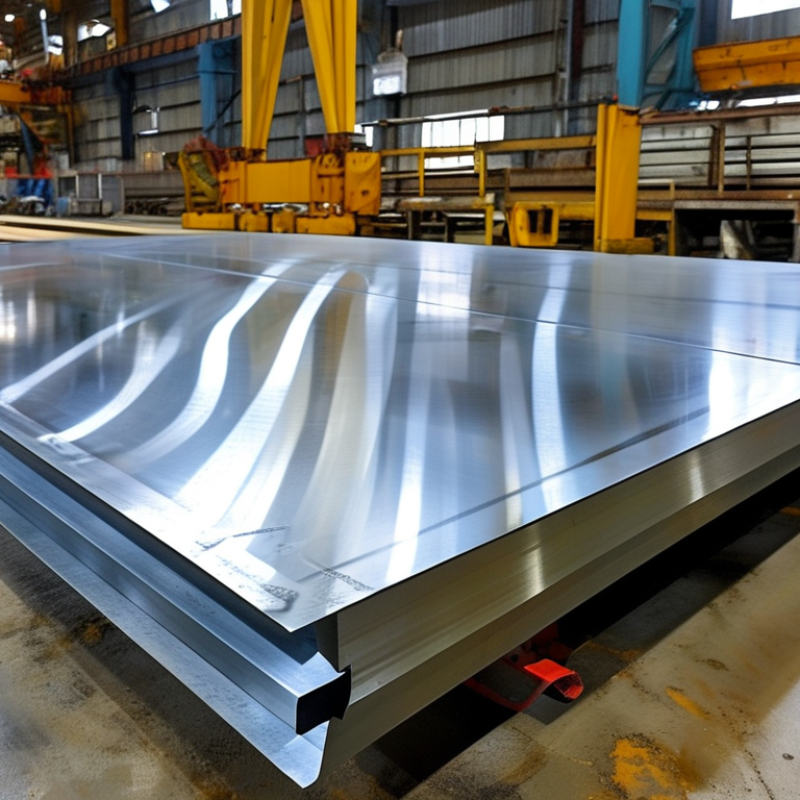
304 stainless steel is a popular material used in various applications. It is part of the austenitic family of stainless steels. Known for its excellent corrosion resistance, it contains 18% chromium and 8% nickel. This combination enhances both strength and durability. According to industry reports, over 50% of stainless steel production is attributed to grades like 304, making it a go-to choice in both industrial and consumer applications.
This type of stainless steel offers versatility. From kitchen appliances to chemical containers, its uses are extensive. The material can withstand high temperatures and maintain its form. Studies show that 304 stainless steel has a tensile strength of about 90,000 psi, making it capable of handling significant stress without deformation. Despite its strengths, it is not entirely immune to pitting in chloride environments. Understanding these limitations is crucial for effective application in harsh conditions.
Many sources emphasize its ease of fabrication. Machining and welding are straightforward processes. Operators need to consider its work-hardening characteristics, which can complicate certain manufacturing processes. These details are vital for engineers who pursue precision in designs. The proper balance of strength and workability allows 304 stainless steel to excel in a multitude of applications.
304 stainless steel sheets are a popular choice for various applications due to their unique composition and properties. This material contains approximately 18% chromium and 8% nickel, which gives it excellent corrosion resistance. Its austenitic structure also allows it to maintain good strength at elevated temperatures. This makes 304 sheets ideal for environments where heat or moisture is a factor.
When considering 304 stainless steel sheets, it’s essential to think about their durability. They can withstand harsh conditions without deteriorating. However, they are not entirely impervious to corrosion. There are situations where they might still rust, particularly in chloride environments. Regular maintenance can help extend their lifespan significantly.
While selecting 304 stainless steel, one should be mindful of the thickness required for the specific application. Thinner sheets may be more susceptible to denting and bending. If high strength is necessary, thicker sheets are preferable. Evaluating the specific conditions of use will aid in making an informed decision.
304 stainless steel sheets are a popular choice in various industries for a good reason. Their durability and resistance to corrosion make them ideal for both indoor and outdoor applications. Unlike other materials, 304 stainless steel can withstand harsh environments without losing its integrity. This makes it an excellent option for food processing, kitchen equipment, and architectural features.
Using 304 stainless steel sheets comes with several advantages. They have a smooth surface, which is easy to clean and maintain. This property is particularly important in sanitation-sensitive environments. The alloy also has excellent welding properties, allowing for versatility in fabrication. However, while they are resistant to oxidation, prolonged exposure to harsh chemicals can still cause some wear. Regular inspections are important to ensure longevity.
For those considering this material, it's crucial to think about specific requirements. Think about where the sheets will be used. Will they be exposed to moisture or chemicals? Understanding the environment will help in choosing the right thickness and finish. Quality matters; selecting reputable suppliers can ensure the sheets meet required standards. Educating yourself on standards and specifications can lead to better decision-making.
| Property | Description |
|---|---|
| Material Type | 304 Stainless Steel |
| Corrosion Resistance | High resistance to oxidation and corrosion |
| Durability | Long-lasting with good tensile strength |
| Applications | Kitchen equipment, storage tanks, architectural applications |
| Ease of Fabrication | Easily molded and shaped into various forms |
| Hygienic Properties | Non-porous surface, easy to clean |
| Cost-effectiveness | Relatively affordable compared to other stainless steels |
304 stainless steel sheets are widely used across various industries due to their versatility and durability. These sheets find common applications in food processing, chemical storage, and architectural elements. Their resistance to oxidation and corrosion makes them ideal for environments exposed to moisture and chemicals.
In food processing, 304 stainless steel is favored for kitchen appliances and equipment. The alloy's non-reactive surface ensures that food remains safe and untainted. According to industry reports, roughly 70% of stainless steel used in food processing is grade 304. This highlights its importance in maintaining food safety standards.
For chemical storage, 304 stainless steel sheets excel in handling corrosive materials. Their ability to withstand high pressure and temperature contributes to their popularity. However, in some cases, these sheets can be prone to pitting in highly acidic environments. Regular maintenance and inspections are crucial for optimal performance.
When considering 304 stainless steel sheets, it's important to assess specific needs. Think about the application environment and possible corrosive elements. Choosing the right thickness and finish can impact both performance and appearance. Always consult with professionals experienced in stainless steel applications for tailored advice.
304 stainless steel sheets are widely utilized in various industries due to their excellent corrosion resistance, durability, and aesthetic appeal. The chart above illustrates the common applications of 304 stainless steel sheets, highlighting its prevalence in the food processing, construction, automotive, medical equipment, and marine sectors.
Maintaining 304 stainless steel products requires careful attention to detail. Regular cleaning is essential to prevent the buildup of dirt and grime. A simple solution is to wash the surface with warm water and mild soap. Use a soft cloth or sponge to avoid scratches. Clean spills promptly to prevent staining, especially from acidic substances.
It’s crucial to avoid harsh chemicals. Strong cleaners can damage the protective layer. Instead, rely on gentle solutions. Rinse thoroughly after cleaning. Dry the surface to prevent water spots. For tougher stains, a mixture of baking soda and water may help. Apply it gently and rinse well.
Periodic inspections can also help maintain your stainless steel items. Look for signs of tarnish or rust. Early detection can prevent further damage. If you encounter minor rust, use a fine-grade abrasive pad with water. Remember that even high-quality stainless steel can tarnish over time. Taking these steps ensures your 304 stainless steel products remain in excellent condition.
How can we help you?
Call to 0034 943884600 Contact usWe use cookies to ensure that we give you the best experience on our website. If you continue without changing your settings, we'll assume that you agree to receive cookies on the HINE website. For more information read our cookie policy page, click the link for more information.plugin cookies
ACEPTAR