7 Best Hydraulic Pedal Lever Valves for Global Buyers
Choosing the right Hydraulic Pedal Lever Valve can determine how safely and smoothly a machine responds. For global buyers, the decision involves more than price, port size, or attractive catalog photos. A valve must match the circuit’s pressure, flow, mounting space, pedal travel, and operating environment.
Peter Nachtwey, a respected hydraulic controls specialist, often emphasizes this practical principle: “The machine should do what the operator expects, every time.” That expectation begins at the foot pedal. A firm pedal should produce controlled spool movement, while a released pedal should return reliably without hesitation. Small details matter, especially in dusty workshops, cold outdoor sites, and equipment exposed to vibration.
This guide examines seven Hydraulic Pedal Lever Valve options for international purchasing teams, equipment builders, and maintenance professionals. Each selection considers actuation feel, pressure capability, port configuration, return-spring behavior, sealing quality, and service access. We also examine documentation, supplier consistency, and compatibility with common hydraulic fluids.
Performance comes first.
Still, no ranking is perfect. A compact valve may suit a mobile machine but restrict future upgrades. A robust model may offer longer service life but require more pedal force. Regional standards, replacement availability, and installation habits can also change the final choice. Buyers should verify technical drawings and test samples before placing large orders. That step is easy to skip. It should not be.
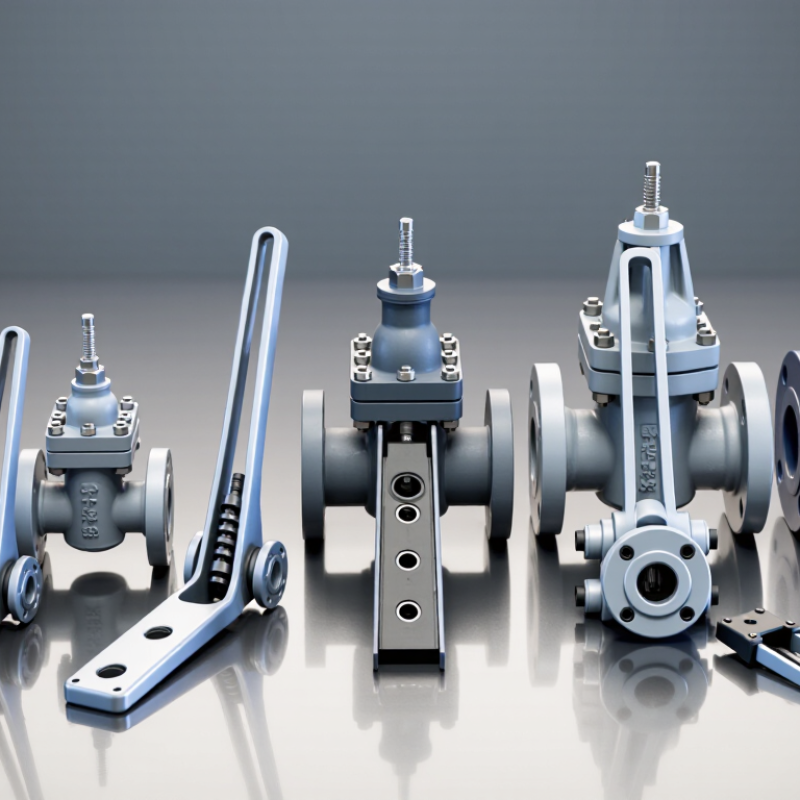
Hydraulic Pedal Lever Valves: Purpose, Design, and Operating Principles
Hydraulic pedal lever valves control fluid direction or flow while leaving both hands free for other tasks. They are useful in mobile equipment, lifting systems, and compact industrial machines. The operator presses a foot pedal, shifting an internal spool or poppet. Hydraulic pressure then travels through the selected port. Releasing the pedal usually returns the valve through a spring mechanism. The actuator stops, retracts, or holds, depending on the circuit design.
A reliable valve starts with clear force, travel, and pressure requirements. A wide pedal can reduce foot fatigue, while a guarded lever helps prevent accidental operation. Designers also consider contamination, oil temperature, mounting space, and return speed. In field maintenance, loose fittings often cause more trouble than the valve itself. Check hose routing and pedal alignment before replacing components. A clean filter matters.
Center conditions deserve careful attention. Open-center, closed-center, and tandem-center circuits behave differently under standby pressure. Choosing the wrong configuration may create heat, sluggish movement, or unexpected actuator behavior. That assumption is easy to miss. During inspection, technicians should measure pressure at idle and under load, then compare the readings with the hydraulic schematic. Labels can fade, and real machines may differ from old drawings. A cautious test is better than a confident guess.
Key Specifications for Comparing Seven Pedal Lever Valve Options
7 Best Hydraulic Pedal Lever Valves for Global Buyers
Comparing seven pedal lever valve options requires more than checking maximum pressure. A valve rated at 250 bar may perform poorly if its flow capacity is too low. Start with working pressure, peak pressure, and rated flow. These figures should match the pump, actuator, and duty cycle. Port size matters too. A small port can create pressure loss and slower cylinder movement.
Pedal feel is another practical specification. Compare actuation force, lever travel, return-spring strength, and mounting position. Operators working all day may prefer a lighter, predictable pedal. Check whether the spool returns reliably after release. This detail is easy to overlook. Valve bodies made from steel or aluminium offer different weight and durability characteristics. Seal compatibility also affects service life, especially across changing oil temperatures. Review operating ranges, contamination tolerance, and replacement seal availability. A clean datasheet helps, but real workshop conditions can be less forgiving.
Tips: Build a comparison sheet for all seven valves. Record pressure, flow, ports, actuation force, temperature range, weight, and mounting dimensions. Ask for test conditions behind every rating. If a specification looks unusually impressive, question it. One comparison can mislead. Allow space for hose routing and pedal clearance. I would also test the preferred valve with the intended oil and cylinder before large-scale purchasing. That step costs time, but skipping it may create expensive installation problems.
Global Compatibility, Installation Requirements, and Safety Considerations
7 Best Hydraulic Pedal Lever Valves for Global Buyers
Global buyers should compare more than pressure ratings when selecting pedal lever valves. Port threads may be BSPP, NPT, or metric. They are not automatically interchangeable. Check the valve drawing, thread size, sealing method, and port orientation before ordering. Fluid type, temperature range, and flow capacity also affect compatibility. A valve rated for mineral oil may not suit every hydraulic fluid.
Installation requires a clean work area and fully relieved hydraulic pressure. Mount the pedal valve on a rigid surface, leaving enough clearance for safe foot movement. Use hoses with matching pressure ratings and tighten fittings to the specified torque. Do not force misaligned threads. That mistake can create hidden damage. Test the circuit at low pressure first, then inspect every connection for leaks. Keep moving linkages away from clothing and other obstacles.
Safety deserves practical attention. Choose a valve with a pressure rating above the system’s maximum working pressure, not merely its normal pressure. Consider pedal guards, return springs, accidental activation, and the machine’s emergency shutdown design. A pedal valve should not replace a complete safety system. Field installers often discover that mounting height feels acceptable during assembly but becomes uncomfortable after hours of operation. I would question any selection based only on price or catalog photos. The final choice should match the machine, local connection standards, maintenance skills, and documented test results.
7 Best Hydraulic Pedal Lever Valves for Global Buyers
Typical maximum working-pressure classes for commonly specified pedal-operated directional valve configurations. Values are representative engineering ranges; always confirm the exact rating, port standard, fluid compatibility, and safety requirements with the valve datasheet before installation.
Installation and safety considerations: Match the valve to the system pressure, flow rate, port thread, mounting interface, hydraulic fluid, and ambient temperature. Install pressure relief protection, prevent unintended pedal actuation, secure hoses against movement, and verify leakage, return-to-neutral behavior, and emergency isolation before commissioning.
How to Choose and Source the Right Pedal Lever Valve Worldwide
7 Best Hydraulic Pedal Lever Valves for Global Buyers
How to Choose and Source the Right Pedal Lever Valve Worldwide
Choosing among seven hydraulic pedal lever valve types starts with the machine’s actual working conditions. Check rated pressure, flow, port size, spool position, and return-spring force. A valve for a compact lift may need different control sensitivity than one used on mobile equipment. Measure the operator’s foot travel carefully. Small errors matter.
Ask suppliers for pressure-test records, material details, dimensional drawings, and traceable batch information. Confirm whether ports use BSP, NPT, metric, or another thread standard. Mixing standards can cause leaks and costly delays. Request a sample before ordering in volume. It is a simple step, but buyers sometimes skip it.
Global sourcing also requires practical checks. Review operating temperature, seal compatibility, corrosion protection, packaging strength, and replacement-part availability. Compare the supplier’s factory experience, inspection process, response time, and ability to meet export documentation rules. Independent inspection can verify markings and performance before shipment. I have seen attractive quotations fail because the pedal layout was uncomfortable. Price alone is a weak guide. A better choice balances safety, control feel, service life, and reliable delivery. Suppliers may still make mistakes, so record every specification in the purchase contract.