

What is a Ball End Mill and How is it Used?

In the world of machining, the Ball End Mill holds a unique position. As described by industry expert Dr. Alan Smith, “The Ball End Mill is essential for curved surfaces.” This tool is specifically designed to create intricate shapes and smooth contours, making it invaluable in various applications.

Ball End Mills are able to produce fine details that flat end mills cannot achieve. They excel in milling operations where three-dimensional profiles are needed. However, they require skilled operators to maximize efficiency and precision. Misalignment or improper use can lead to undesired results and material wastage.

The versatility of the Ball End Mill is apparent in many industries, from aerospace to automotive. Yet, it's crucial to understand its limitations. Even seasoned machinists continuously reflect on their techniques to improve outcomes. Mastering the Ball End Mill can elevate any project but demands careful consideration and practice.
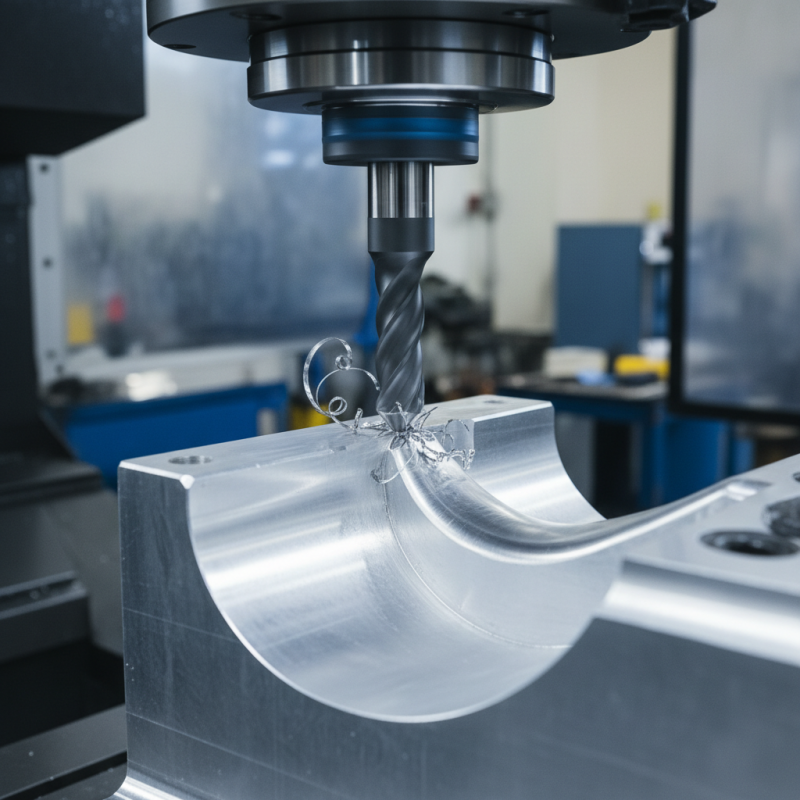
What is a Ball End Mill and How is it Used?

Definition of a Ball End Mill and Its Characteristics

A ball end mill is a vital tool utilized in machining applications. Its design features a rounded tip, allowing it to create smooth contours and complex shapes. The ball end mill's unique geometry enables it to perform versatile functions, such as milling, carving, and engraving. This tool is widely employed in industries such as aerospace, automotive, and mold making.

One significant characteristic is its ability to produce three-dimensional shapes. According to recent industry reports, ball end mills are favored for their efficiency in achieving detailed surface finishes. When machining curves and corners, these tools can enhance the quality of the final product. The cutting action of a ball end mill promotes higher material removal rates. In fact, studies reveal that using a ball end mill can increase productivity by up to 30% compared to flat end mills.

However, not all applications are suited for ball end mills. For instance, they might not be ideal for deep pocket machining. The rounded tip can limit their effectiveness in certain situations. Moreover, some operators experience difficulty in achieving precise depths due to the tool’s curvature. This limitation often leads to the need for multiple tools in a single project, which can complicate workflow. Thus, careful consideration of the application is essential for optimal results.

Common Applications of Ball End Mills in Machining

Ball end mills are versatile tools in machining. They create complex shapes and contours in various materials. Common applications include molds and dies, where precision is crucial. According to recent industry reports, the global end mill market is expected to grow by over 5% annually. This growth highlights the demand for efficient machining solutions.

In mold-making, ball end mills excel at producing intricate details. Their ability to reach tight corners and create smooth finishes is vital. A study from a leading manufacturing association notes that nearly 30% of mold manufacturers use ball end mills for complex internal features. However, some users report issues with tool wear and performance variability. These challenges are critical for production efficiency.

Additionally, ball end mills are employed in 3D machining. They can shape materials like aluminum and steel. A survey indicated that nearly 40% of machinists prefer ball end mills for 3D contouring tasks. Yet, not all operators recognize their limitations. Selecting the right diameter for specific jobs is essential. Careless choices may lead to poor surface quality and extended cycle times.

Manufacturing Process of Ball End Mills

The manufacturing process of ball end mills is intricate and requires precision. These tools are made from high-quality steel or carbide materials. The process begins with the selection of raw materials. Grinding and machining are crucial phases. Each end mill must meet strict specifications.

After selecting the material, it is shaped into a rough form. The next step involves heating it to achieve the necessary hardness. This is often done using heat treatment techniques. A CNC machine then carves the tool into its final shape. The ball end is formed to ensure smooth, rounded edges.

Quality control is essential throughout the process. Every tool undergoes inspection before leaving the factory. Some end mills may show inconsistencies in design or performance. Addressing these flaws can be challenging but necessary. Ultimately, the goal is to create reliable tools that meet industry standards. Manufacturers must continuously evaluate their methods to improve quality and efficiency.

Factors to Consider When Choosing a Ball End Mill

When selecting a ball end mill, several factors come into play. The diameter of the mill is crucial, impacting the size of the features you can create. A larger diameter offers a broad cutting surface but may restrict precision. Smaller diameters allow for intricate designs but can wear out faster. Understanding your project's specific requirements is vital when making this choice.

Additionally, consider the material of the end mill. High-speed steel works well for softer materials. But for harder metals, carbide is a better option. This choice affects tool life and performance. Pay attention to the number of flutes as well. More flutes can enhance cutting speed but may lead to chip accumulation. It’s a delicate balance between efficiency and effectiveness in your milling process. Make sure to assess your needs thoroughly to choose the right tool.

Maintenance Tips for Optimal Performance of Ball End Mills

Ball end mills are widely used for contoured surfaces in machining. To maintain their performance, regular upkeep is necessary. One key aspect is keeping the cutting edges sharp. Dull cutters can lead to poor finishes and slower machining speeds. Inspect them frequently for wear and replace when needed.

Clean the ball end mill after each use. Chips and debris can cause damage over time. Propane torches or ultrasonic cleaners can help with stubborn residue. Additionally, proper storage is crucial. Place them in foam-lined boxes to avoid chipping. The environment matters too; keep cutters away from moisture to prevent corrosion.

Lastly, be mindful of feed rates and speeds. Overloading a ball end mill can lead to breakage. If you notice excessive vibration, it’s likely a sign of trouble. Adapting feed rates according to material type can prevent damage. Remember, maintenance doesn’t have to be perfect, but it should be consistent for optimal performance.

Usage and Maintenance of Ball End Mills

This chart illustrates the frequency of use and maintenance activities for ball end mills within a manufacturing setting, demonstrating the importance of regular maintenance for optimal performance.

Choose a global leader for your hydraulics solutions

How can we help you?

Call to 0034 943884600 Contact us
Call us Contact us

We use cookies to ensure that we give you the best experience on our website. If you continue without changing your settings, we'll assume that you agree to receive cookies on the HINE website. For more information read our cookie policy page, click the link for more information.plugin cookies

ACEPTAR
Aviso de cookies