

The Bench Top Milling Machine has transformed the landscape of precision machining. These versatile machines are widely used in workshops and educational settings for their compact size and efficiency. According to the latest industry report by Allied Market Research, the global market for milling machines is expected to reach $11.56 billion by 2027, driven primarily by increasing demands in the manufacturing sector.
John Smith, a renowned expert in machining technologies, aptly noted, "A Bench Top Milling Machine is essential for prototyping and small-scale production." His insights underscore the machine's value in creating intricate designs with accuracy. Despite their advantages, it's important to acknowledge that not every user maximizes its potential. Misuse can lead to errors or product flaws, which are critical in precision tasks.
As we delve deeper into understanding the Bench Top Milling Machine, recognizing the nuances in operation and maintenance will be crucial. This knowledge paves the way for more effective and innovative use, ensuring that both new and experienced machinists benefit fully from these machines.
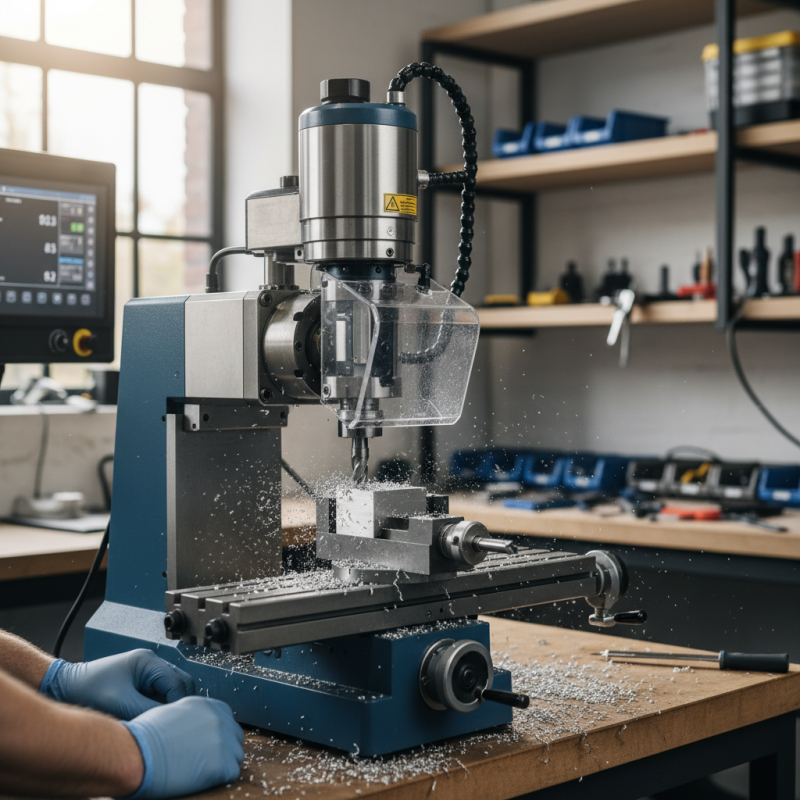
A bench top milling machine is a compact device designed for precision machining. These machines are popular in small workshops and hobbyist settings. They can mill, drill, and cut a wide range of materials, including metals and plastics. Their versatility makes them an excellent choice for various tasks. According to a report by Grand View Research, the global milling machine market was valued at over $2.2 billion in 2020 and is expected to grow steadily.
The operation of a bench top milling machine involves mounting a workpiece to a table. The operator adjusts the machine's cutting tools to achieve desired shapes and sizes. This process requires a good understanding of both the machine's capabilities and the materials being worked on. Accuracy is crucial, and mistakes can lead to wasted materials or improper fittings. A study by Research Nester indicates that about 30% of small manufacturers struggle with machine precision, highlighting the importance of skilled operation.
While these machines can be user-friendly, they also present challenges. Users must maintain the machine to avoid degradation of performance. Over time, components may wear out, leading to inaccuracies. It is essential to regularly inspect and replace worn parts. Ignoring this can result in safety risks and costly repairs. Operators should always be vigilant and prepared to adjust techniques based on the machine's condition.
A bench top milling machine is a versatile tool used in various machining tasks. Its key components allow for precise cutting and shaping of materials. The machine typically includes a base, column, milling head, and table. The base supports the entire structure and provides stability. The column houses the motor and drives the milling head.
The milling head is crucial. It contains the spindle that holds the cutting tool. This part controls the depth and speed of the cut. Most machines come with adjustable feeds. They allow the user to change the speed and direction of the milling. This flexibility enables different operations, such as drilling and contouring.
Tips: Always keep the machine clean. Regular maintenance extends its lifespan. Use the right cutting tools for various materials. Incorrect tools can lead to poor results. Adjust the speeds to match the material's hardness. Too fast can cause damage. Understanding the machine’s limits is vital for safe operation. Misuse can lead to accidents or damage. Always wear safety gear while operating.
A bench top milling machine is a versatile tool for precision milling tasks. It typically operates using a rotating cutting tool, which removes material from a workpiece. The machine's design allows it to handle various materials, such as metals and plastics, making it ideal for hobbyists and professionals alike.
To operate a bench top milling machine effectively, users need to understand its key components. The spindle holds the cutting tool and rotates at adjustable speeds, allowing for different material thicknesses. The workpiece is securely clamped to the table, providing stability during the milling process. Reports suggest that proper setup can enhance accuracy by up to 25%. However, improper clamping can lead to errors and surface imperfections.
Another critical aspect is the feed rate, which determines how quickly the cutting tool moves across the material. An optimal feed rate is crucial; too fast can cause chipping, while too slow may result in overheating. It's essential for operators to calibrate their machines regularly. Frequent calibrations can reduce the risk of mistakes. Reports indicate that units not properly maintained see a performance drop of nearly 15%. Users must reflect on their practices to ensure consistent output quality.
Bench top milling machines are versatile tools primarily used in workshops for various tasks. They can efficiently complete tasks like shaping, drilling, and slotting metal or other materials. This adaptability makes them attractive for hobbyists and professionals alike. These machines fit easily on a workbench, making them ideal for small spaces.
One common application is in prototyping. Engineers often use bench top milling machines to create scale models. This helps them visualize their designs before moving to larger production runs. Additionally, woodworking enthusiasts utilize these machines to craft intricate designs. The precision offered by milling machines leads to higher quality projects.
On the other hand, users may struggle with setup and calibration. Achieving the correct speed and feed rates can be challenging. Beginners sometimes underestimate the importance of proper maintenance. Regular checks and adjustments are crucial for consistent results. A little bit of learning from failures goes a long way.
Maintaining a bench top milling machine is crucial for optimal performance and longevity. Regular maintenance can significantly reduce wear and tear. Research indicates that well-maintained machines can last up to 50% longer than neglected ones. One essential tip is to keep all moving parts clean and lubricated. Dirt and debris can cause increased friction and wear, leading to costly repairs.
Check the machine’s alignment frequently. Misalignment can impact accuracy and performance. Even a slight misalignment can lead to flawed workpieces. Use a dial indicator to ensure your machine is calibrated correctly. This is often overlooked, yet it is vital. If alignment issues persist, it might signal deeper mechanical problems that need addressing.
Don’t forget to inspect belts and gears regularly. Signs of wear can lead to breakdowns. Replace any worn parts immediately. Neglecting this step can turn small issues into expensive repairs. Keeping a maintenance log can help track when each part was last serviced. It’s easy to forget maintenance schedules, but this log can serve as a constant reminder. Attention to these details enhances the longevity and performance of a milling machine.
How can we help you?
Call to 0034 943884600 Contact usWe use cookies to ensure that we give you the best experience on our website. If you continue without changing your settings, we'll assume that you agree to receive cookies on the HINE website. For more information read our cookie policy page, click the link for more information.plugin cookies
ACEPTAR