

What Are the Benefits of High Rise Elevators for Your Building?

High Rise Elevators play a crucial role in modern buildings, enhancing vertical transportation efficiency. According to a report by the American Society of Civil Engineers, high-rise construction is expected to increase by 20% over the next decade. This surge in demand emphasizes the importance of advanced elevator systems. Expert John Smith, a leading figure in the elevator industry, stated, "High Rise Elevators are not just about speed; they define the user experience in skyscrapers."

These elevators improve access while saving valuable space. A well-designed High Rise Elevator can transport residents quickly and safely. Efficiency is key, especially in densely populated areas. However, challenges remain. High-rise elevators face maintenance issues, and technology advancements must keep pace. As urban populations rise, so does the need for innovation in this field. It’s clear that High Rise Elevators are essential, yet they require continuous improvement and adaptation to meet evolving demands.
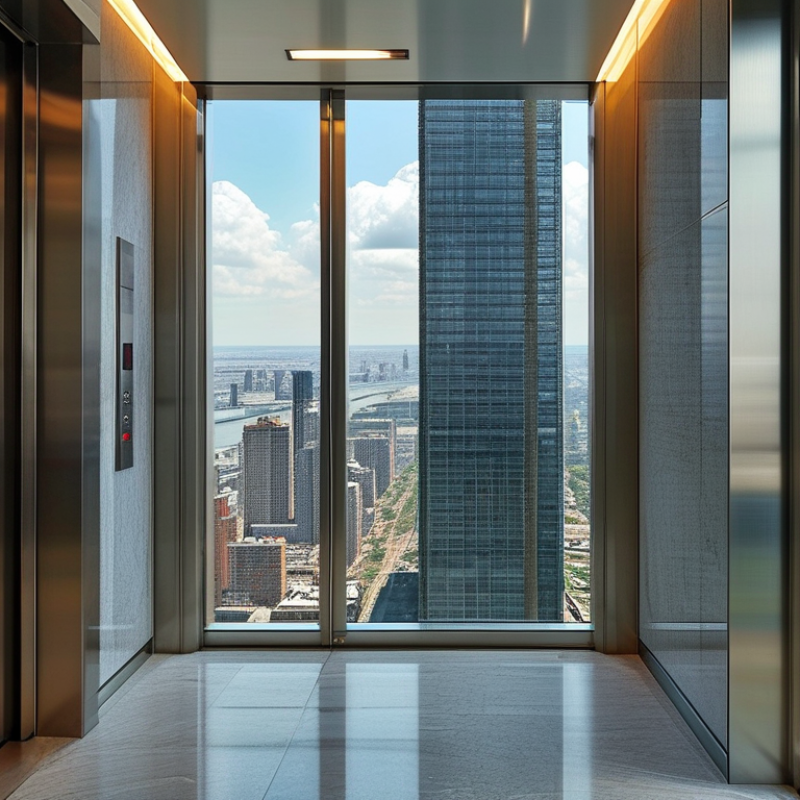
What Are the Benefits of High Rise Elevators for Your Building?

Benefits of High Rise Elevators for Efficient Vertical Transportation

High rise elevators play a crucial role in improving vertical transportation in multi-story buildings. They offer fast and efficient access to upper floors. This efficiency is vital in busy environments like office buildings or hospitals. High rise elevators can reduce wait times significantly, enhancing user experience. The technology used in these elevators enables smoother rides, making them a popular choice for taller structures.

When considering high rise elevators, think about the following tips. Ensure proper maintenance is scheduled regularly to keep the system running smoothly. Regular check-ups can prevent unexpected breakdowns and prolong the life of the elevator. It's also important to evaluate the building's traffic patterns. Identifying peak usage times can help optimize elevator performance and minimize bottlenecks.

Investing in high rise elevators can enhance the overall functionality of your building. They allow for better space management and customer satisfaction. However, some buildings may face challenges in installation and logistics. It's essential to address these early on to avoid complications during the project. Balancing innovative designs with practical implementation can lead to successful outcomes.

What Are the Benefits of High Rise Elevators for Your Building? - Benefits of High Rise Elevators for Efficient Vertical Transportation

Feature Description Benefit
Speed High rise elevators are designed for quick vertical transport across multiple floors. Reduces waiting time for occupants, increasing overall efficiency.
Energy Efficiency Modern high rise elevators utilize energy-efficient technologies. Lower operational costs and environmental impact.
Capacity Can accommodate more passengers and goods compared to standard elevators. Efficient handling of traffic, especially during peak hours.
Safety Features Incorporated safety mechanisms for emergencies and malfunction scenarios. Enhanced safety for users, leading to increased peace of mind.
Smart Technology Equipped with smart controls and monitoring systems. Improves operational management and user experience.
Aesthetic Design Customizable interior and exterior designs to match building aesthetics. Enhances the building's appeal and value.
Reduced Foot Traffic Efficient vertical transportation minimizes congestion in lobbies and stairs. Creates a more comfortable and manageable environment.

Enhanced Accessibility for All Building Occupants

High-rise elevators play a crucial role in improving accessibility for all building occupants. These elevators serve as the vital link between floors, ensuring everyone can move freely. People with mobility challenges, such as the elderly or those with disabilities, benefit significantly from having easy access to all levels. This fosters a sense of inclusivity and independence.

Imagine a family visiting a high-rise building where the only option to reach the upper floors is stairs. This situation can be uncomfortable or even impossible for some. However, an elevator removes those barriers. It allows everyone to navigate the space with ease. When designed thoughtfully, elevators can accommodate wheelchairs and strollers, making life easier for many.

Creating an accessible building requires more than just installing elevators. Regular maintenance is essential to keep them functional. Also, there must be clear signage for users. Accessibility is about constant improvement, learning from feedback, and addressing concerns effectively. While elevators significantly enhance accessibility, the complete experience depends on overall building design and user consideration.

Improved Building Value and Marketability with High Rise Elevators

High-rise elevators play a crucial role in enhancing the value and marketability of buildings. According to a report by the National Elevator Industry, implementing modern elevator systems can increase a building's value by approximately 20%. This is particularly significant in urban areas where space is limited. High-rise elevators not only offer convenience but also appeal to potential buyers, making the buildings more attractive on the market.

Moreover, buildings with efficient elevator systems often experience higher occupancy rates. A survey conducted by the Real Estate Institute found that properties with high-rise elevators attract 30% more tenants compared to those without. This can lead to increased rental income and revenue. Additionally, prospective tenants are drawn to features like quick access and enhanced safety, which are often associated with contemporary elevator designs.

However, integrating high-rise elevators involves upfront costs and ongoing maintenance concerns. Building owners need to weigh these factors against the potential benefits. While the long-term advantages are compelling, initial investments for high-quality systems can be substantial. Choosing the right design and technology can provoke a complex decision-making process, but the overall returns can justify the challenges.

Increased Safety Features in Modern High Rise Elevators

Modern high-rise elevators incorporate advanced safety features that are crucial for buildings reaching new heights. These elevators are designed with multiple redundancies. For instance, the braking system employs both mechanical and electronic controls. In emergencies, such systems can halt the elevator quickly, preventing accidents.

Another notable feature is the emergency communication system. It allows passengers to connect with building security instantly. In case of an outage, elevators have backup power to ensure safe descent. Additionally, the elevators have sensors that detect weight limits. If they are overloaded, the doors won’t close, alerting the users immediately.

However, despite these innovations, challenges persist. Maintenance is critical to ensuring safety features function correctly. Faulty sensors or outdated communication systems can compromise passenger safety. Regular inspections play a vital role. Neglecting them could lead to risks that modern technology alone cannot mitigate. Thoughtful design and consistent upkeep create a safer environment for high-rise living.

Energy Efficiency and Sustainability Benefits of High Rise Elevators

High-rise elevators play a crucial role in enhancing energy efficiency and sustainability within modern buildings. According to a 2021 report from the International Energy Agency, elevators account for up to 5% of a building's total energy consumption. High-rise elevators equipped with regenerative drives offer a solution. They can harness energy generated during descents and feed it back into the building’s electrical system. This mechanism reduces overall energy usage significantly.

Building design that incorporates energy-efficient elevators benefits both the environment and operating costs. The American Society of Civil Engineers states that buildings with sustainable elevators can reduce electricity usage by up to 30%. This reduction can lower utility bills considerably. Moreover, such elevators reduce greenhouse gas emissions, supporting a commitment to sustainability.

However, it is essential to acknowledge that high-rise elevators require substantial initial investments. The construction process may be disruptive and complex. Some buildings may not have the infrastructure to support advanced elevator systems. There is a need for a strategic approach to ensure these elevators operate optimally, maximizing their benefits. The challenges should not deter building owners; they can seek expert advice on integrating these systems for improved energy efficiency.

Choose a global leader for your hydraulics solutions

How can we help you?

Call to 0034 943884600 Contact us
Call us Contact us

We use cookies to ensure that we give you the best experience on our website. If you continue without changing your settings, we'll assume that you agree to receive cookies on the HINE website. For more information read our cookie policy page, click the link for more information.plugin cookies

ACEPTAR
Aviso de cookies