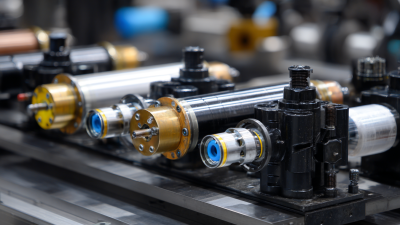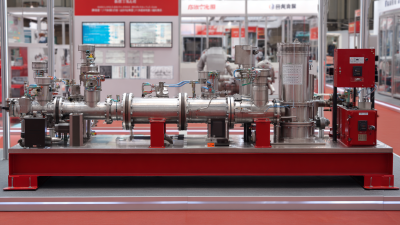

In the realm of modern machinery, the utilization of hydraulic systems has become a pivotal factor in enhancing operational efficiency. According to a report by the International Fluid Power Society, hydraulic systems account for approximately 70% of all industrial machinery power during operation. This highlights their integral role in driving productivity and maximizing performance across various sectors.
Renowned hydraulic systems expert, Dr. Emily Johnson, emphasizes the value of these systems, stating, "Hydraulic systems not only provide immense power but also ensure precision and reliability, which is crucial for today’s advanced machinery." As industries strive to optimize their processes and reduce operational costs, understanding the benefits of hydraulic systems is essential. The following sections will explore the top ten advantages that hydraulic systems offer, illuminating their indispensable contribution to modern machinery efficiency.
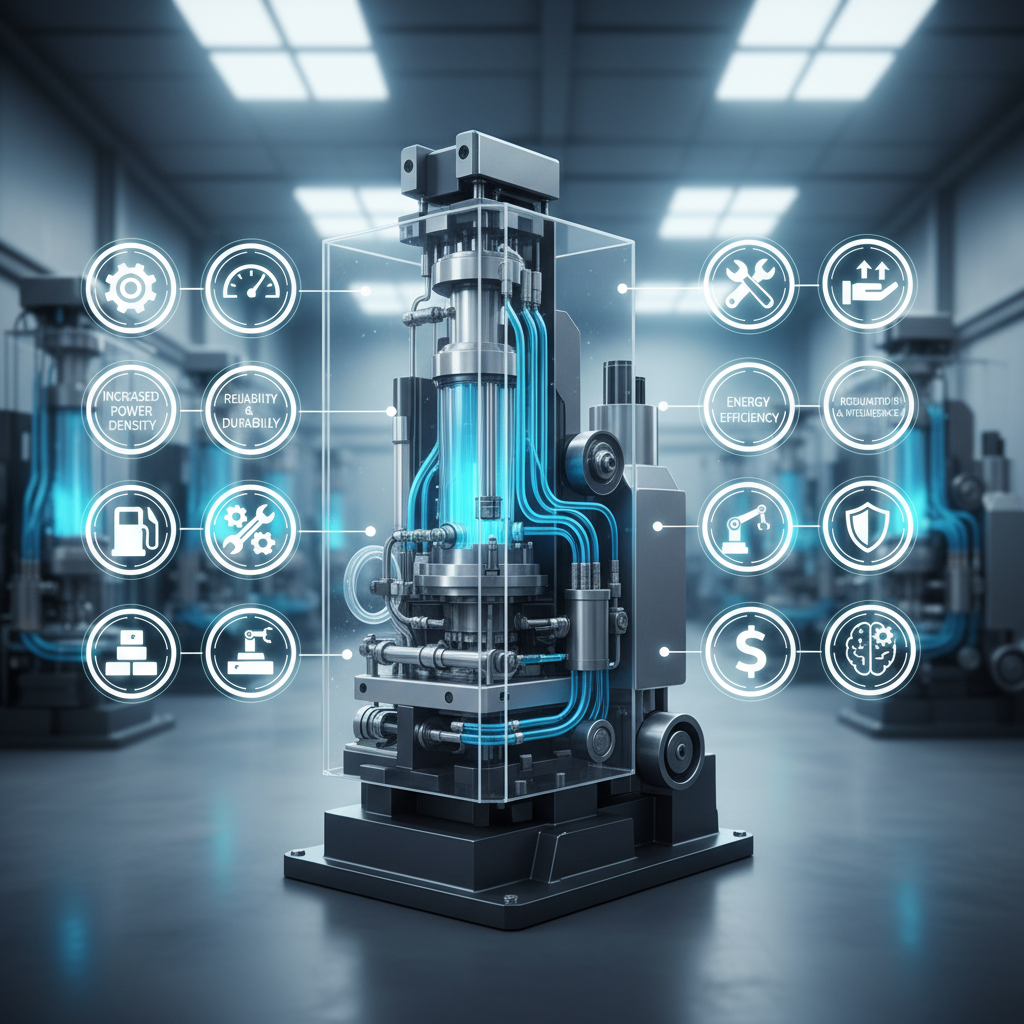
Hydraulic systems have revolutionized the design and functionality of modern machinery, primarily by enhancing the power-to-weight ratio. This critical metric directly affects the efficiency and performance of equipment across various industries. By utilizing hydraulic technology, machines can achieve greater lifting capacities and force generation without a proportional increase in size or weight. This not only leads to more compact equipment but also improves maneuverability, allowing operators to work in tighter spaces.
When implementing hydraulic systems, it's essential to focus on maintenance to ensure optimal performance. Regularly checking fluid levels and inspecting hoses for wear can prevent leaks and downtime. Additionally, using high-quality hydraulic fluids can help maintain efficiency and extend the life of the system.
Another tip for maximizing the benefits of hydraulic systems is to tailor them to specific applications. By selecting the right components—such as pumps, valves, and actuators—machines can achieve enhanced performance suited to their task. This customization ensures that the hydraulic system delivers the optimal power-to-weight ratio, leading to improved efficiency and productivity in operations.
Hydraulic systems have revolutionized the way modern machinery operates, offering unmatched precision and control that traditional mechanical systems cannot achieve. By utilizing hydraulic fluid under pressure, these systems allow operators to manipulate machinery with a level of accuracy that is critical for tasks requiring fine adjustments. For instance, in construction and manufacturing, hydraulic actuators can move components with minimal backlash, ensuring that the machinery performs tasks exactly as intended, reducing the margin for error.
Moreover, the responsiveness of hydraulic systems enhances operational efficiency. Operators can make quick adjustments without significant delays, allowing for smoother workflows and faster production times. This agility is particularly important in high-stakes environments where precision is paramount, such as in aerospace or automotive manufacturing. The ability to control speed and force easily means that intricate processes can be executed more reliably, resulting in better quality outcomes and reduced waste in materials. Thus, the integration of hydraulic systems in modern machinery stands as a testament to the importance of improved precision and control in achieving overall operational excellence.
Hydraulic systems have gained significant traction in modern machinery due to their remarkable efficiency and reduced maintenance costs. A report from the International Society of Automation highlights that hydraulic systems can boost operational efficiency by up to 30% compared to traditional mechanical systems. This improvement can directly translate into lower maintenance costs, as the fewer moving parts in hydraulic systems lead to decreased wear and tear over time. Moreover, consistent performance and fewer breakdowns result in less downtime, which can be costly for businesses.
To further minimize maintenance costs, it's essential to implement a regular maintenance schedule. Regular inspections of hydraulic fluid levels and filter conditions can prevent major system failures. Additionally, utilizing high-quality hydraulic fluids can enhance system longevity, as outlined in a study by the American Society of Mechanical Engineers, which indicates that proper fluid maintenance can extend the life of hydraulic components by up to 50%.
Another critical tip is to invest in training for operators. A well-trained workforce can recognize potential issues before they require expensive repairs, thereby contributing to overall efficiency. Understanding the machinery and the hydraulic systems involved is pivotal, as improper handling can lead to significant maintenance costs and increased downtime. By focusing on these practices, companies can optimize their hydraulic systems while keeping maintenance expenses at bay.
Hydraulic systems have become essential in modern machinery, primarily due to their remarkable ability to increase energy efficiency. By utilizing hydraulic fluids to transmit power, these systems can provide a superior force-to-weight ratio compared to traditional mechanical systems. This efficiency translates directly into lower energy consumption, as hydraulic machinery often operates at optimal levels during various tasks, minimizing wasted energy. The ability to adjust power output dynamically further enhances their operational efficiency, allowing machines to perform tasks that require varying levels of force without significant losses in energy.
In addition to improving energy efficiency, hydraulic systems also contribute to reducing operational expenses. Their design often leads to lower maintenance costs due to fewer moving parts compared to other systems. This simplicity not only makes repairs easier and less frequent but also extends the lifespan of the equipment. Moreover, the quick response times and precise control offered by hydraulic systems enhance productivity, which can lead to significant cost savings. By streamlining operations and reducing downtime, businesses can allocate resources more effectively, ultimately leading to a healthier bottom line. The combination of energy savings and reduced maintenance makes hydraulic systems an attractive option for modern machinery.
The flexibility in design and application of hydraulic components is a significant advantage that plays a vital role in enhancing the efficiency of modern machinery. Hydraulic systems can be tailored to fit various machinery setups, allowing for diverse applications across industries such as construction, manufacturing, and agriculture. According to a report by the International Journal of Hydraulic Engineering, hydraulic systems can achieve up to 90% efficiency in power transmission, demonstrating their effectiveness in optimizing performance and reducing energy loss.
One of the key benefits of hydraulic systems is their ability to deliver consistent power regardless of load variations. This adaptability not only increases the operational versatility of machinery but also prolongs equipment life by minimizing wear and tear. A comprehensive study released by the National Fluid Power Association noted that implementing advanced hydraulic designs can lead to a reduction in power consumption by 30% when compared to traditional systems.
Tips: When selecting hydraulic components, consider the specific application requirements, such as pressure and flow rate, to ensure optimal performance. Additionally, regular maintenance of hydraulic systems can significantly enhance their lifespan and efficiency. It is also beneficial to stay updated with the latest hydraulic technologies, as they may offer improved design features that cater to your operational needs.
How can we help you?
Call to 0034 943884600 Contact usWe use cookies to ensure that we give you the best experience on our website. If you continue without changing your settings, we'll assume that you agree to receive cookies on the HINE website. For more information read our cookie policy page, click the link for more information.plugin cookies
ACEPTAR