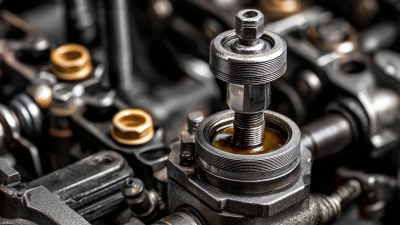

In today's fast-paced world, businesses are constantly seeking efficient solutions. The electric hydraulic pump emerges as a pivotal tool for various applications. It delivers power and precision, which is crucial for tasks that require reliable force.
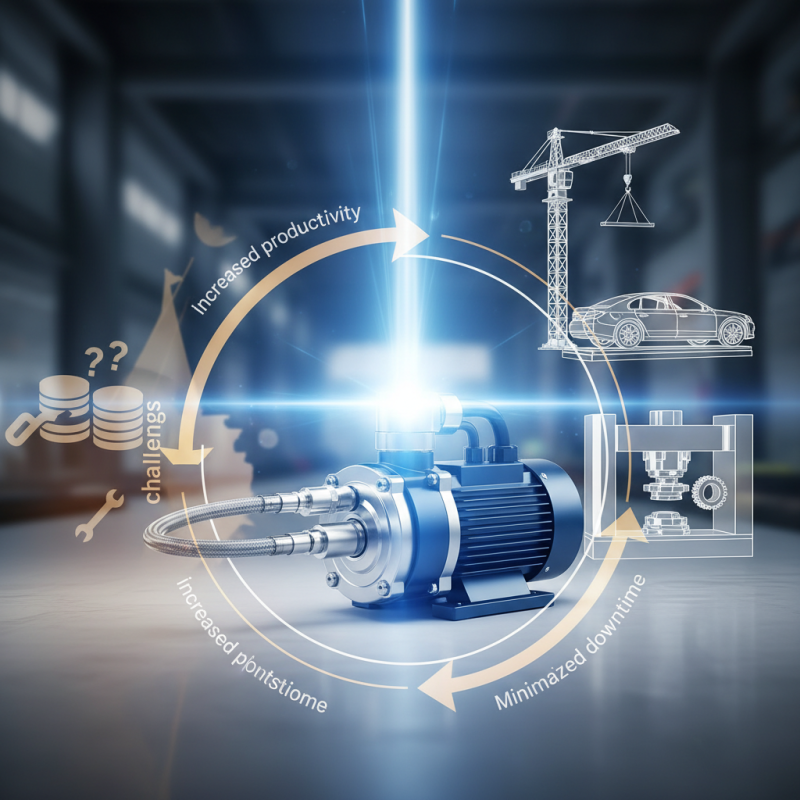
Many industries can benefit from this technology. Construction, automotive, and manufacturing sectors often rely on hydraulic systems. These systems simplify operations, making them faster and more effective. This pump minimizes downtime and maximizes productivity.
Yet, adopting an electric hydraulic pump is not without challenges. Initial costs can seem high. Users must also consider maintenance aspects and potential technical issues. Despite these hurdles, the advantages are compelling. The efficiency and versatility of electric hydraulic pumps can greatly enhance overall performance in various fields.
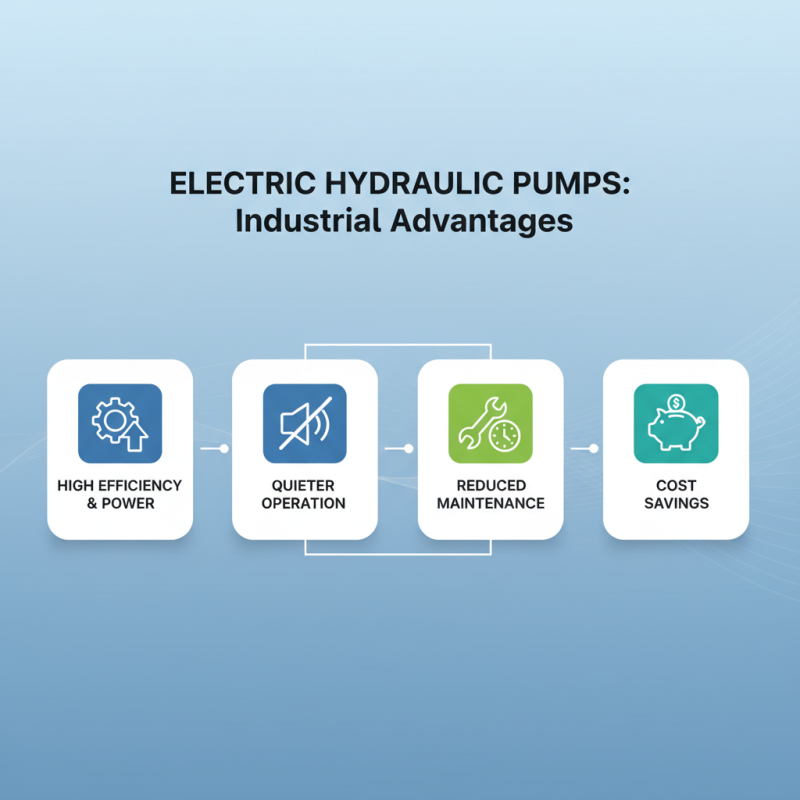
Electric hydraulic pumps have grown in popularity for industrial applications. They offer excellent efficiency and power. These pumps are often quieter than traditional options. This can enhance the workplace environment. They also require less maintenance over time. This can lead to cost savings.
Using electric hydraulic pumps can improve precision in various tasks. They can support heavy loads with ease. These pumps are also versatile for different machinery. However, it’s essential to ensure they are compatible with your current systems. Inadequate fitting may lead to inefficiency.
**Tip:** Always conduct a compatibility test before implementation.
Energy efficiency is another notable benefit. Electric pumps can save on energy costs significantly. They provide a more stable output than gas-powered alternatives. Yet, they may require initial setup costs, which can be high. Companies must evaluate their long-term benefits versus upfront expenses.
**Tip:** Calculate the total cost of ownership, not just the upfront price.
Workers appreciate the safety features of electric versions. There are fewer risks associated with leaks or emissions. However, oversight is still necessary to manage potential electrical issues. Regular checks can prevent interruptions in operations.
**Tip:** Schedule routine maintenance to prolong pump life.
Electric hydraulic pumps offer remarkable benefits in energy efficiency. According to a report by the International Energy Agency, energy consumption in hydraulic systems can be reduced by up to 30% when using electric options. This reduction is significant, especially in industries that rely on large hydraulic systems. By switching to electric hydraulic pumps, companies can lower operational costs.
Furthermore, these pumps minimize energy loss due to their ability to adjust power output based on demand.
Traditional hydraulic systems often waste energy, running at full capacity even when it is not needed.
This leads to inefficiencies. Electric pumps provide variable speed drives to match the exact energy needs.
A 2022 study highlighted that this adaptability contributes to overall
productivity improvements.
However, transitioning to electric hydraulic pumps isn’t without challenges. Initial installation costs can deter some organizations. Maintenance of electrical components can also require specialized training. Despite these hurdles, the long-term savings often outweigh the upfront investments. Embracing electric hydraulic technology poses a learning curve but offers a chance for companies to innovate.
Electric hydraulic pumps showcase incredible versatility and adaptability across diverse settings. They can serve various industries, from construction to automotive repair. In construction sites, these pumps are essential for lifting heavy loads. They operate quietly, maintaining a safe environment for workers. Their compact design allows for easy transport and use in tight spaces.
In automotive workshops, electric hydraulic pumps excel at powering tools for maintenance and repairs. They can efficiently lift vehicles, making tire changes or brake repairs smoother. However, it's crucial to be mindful of power requirements. Not all locations have the capacity to handle high voltages. This can hamper operations if not assessed beforehand.
Moreover, adaptability is key in mobile applications. Electric hydraulic pumps can function optimally in various climates, but extreme temperatures may affect performance. Operators need to monitor performance closely and allow for adjustments. A little vigilance can help avoid mishaps. The interaction between human skill and technology still plays a crucial role in maximizing effectiveness.
This chart illustrates the top benefits of electric hydraulic pumps, focusing on versatility and adaptability across various applications. Each benefit is represented as a percentage of importance based on industry feedback.
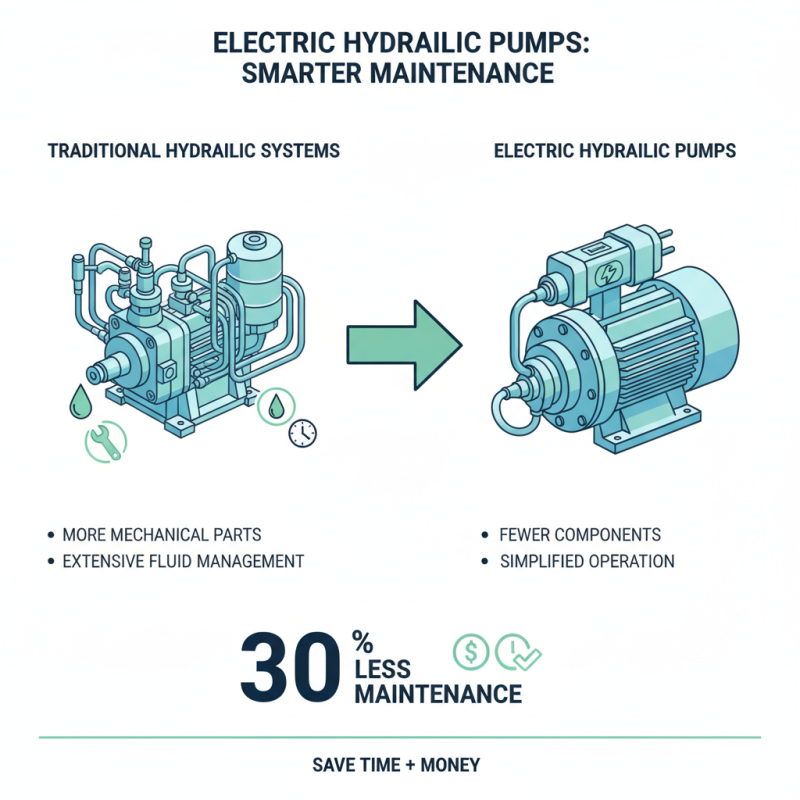
Electric hydraulic pumps offer significant advantages over traditional hydraulic systems, especially in terms of maintenance. Reports indicate that electric systems can reduce maintenance needs by up to 30%. This lower requirement comes from fewer mechanical components. Without the need for extensive fluid management systems, users save both time and money.
A key point is reliability. Electric pumps have fewer points of failure compared to their hydraulic counterparts. Many users report longer lifespans for electric pumps, often exceeding 10,000 operating hours. This benefit translates into decreased downtime and lower labor costs for maintenance. However, some may find the initial investment higher.
Regular checks are still necessary. Over time, seals can wear, and electrical components may corrode. It's crucial to have scheduled inspections to avoid unexpected failures. Balancing lower maintenance with the need for diligence can be a challenge. However, the overall reduction in maintenance efforts often outweighs these concerns for many users.
Electric hydraulic pumps offer significant environmental advantages compared to traditional options. One notable benefit is their energy efficiency. These pumps consume less power, reducing the carbon footprint. This is essential in the fight against climate change. Additionally, electric pumps produce lower noise levels. Quieter operation leads to a peaceful work environment and less disturbance to wildlife.
Another important factor is the reduction of harmful emissions. Unlike gasoline or diesel-powered pumps, electric models don’t emit pollutants. This means cleaner air in the surrounding areas. Furthermore, the risk of oil spills or leaks is minimized. Electric pumps are generally less likely to cause environmental damage. However, ensuring the electric grid's sustainability is crucial. If the electricity comes from non-renewable sources, the benefits can be diminished.
Moreover, maintenance is often simpler with electric pumps. They have fewer moving parts, which reduces wear and tear. However, improper maintenance can lead to failures, impacting performance and efficiency. Regular checks are necessary to keep the system running smoothly. Consideration of these factors is vital before making a switch to electric hydraulic pumps.
| Benefit | Description | Environmental Impact |
|---|---|---|
| Energy Efficiency | Electric hydraulic pumps convert electricity to hydraulic power more efficiently than traditional pumps. | Reduces carbon footprint and energy consumption. |
| Lower Emissions | No exhaust emissions compared to gas or diesel-powered hydraulic pumps. | Contributes to improved air quality. |
| Noise Reduction | Significantly quieter operation compared to combustion engines. | Minimizes noise pollution. |
| Minimal Maintenance | Electric systems typically require less maintenance than hydraulic systems powered by combustion engines. | Lower resource consumption for repairs and upkeep. |
| Compact Design | Electric hydraulic pumps are often smaller, making them easier to transport and use in tight spaces. | Less energy required for transportation and installation. |
| High Precision Control | Provides better control over flow rates and pressure settings. | Enhances operational efficiency and reduces waste. |
| Versatility | Can be used in various applications, including construction, automotive, and manufacturing. | Supports a wide range of eco-friendly projects and initiatives. |
| Safer Operation | Reduced risk of fuel spills and fire hazards associated with liquid fuels. | Minimizes environmental contamination risks. |
| Cost Savings | Lower operational costs due to reduced fuel and maintenance expenses. | Economic benefits lead to more sustainable business practices. |
| Integrated Technology | Modern electric pumps can be easily integrated with smart technology for monitoring and control. | Facilitates data collection and reduces inefficient practices. |
How can we help you?
Call to 0034 943884600 Contact usWe use cookies to ensure that we give you the best experience on our website. If you continue without changing your settings, we'll assume that you agree to receive cookies on the HINE website. For more information read our cookie policy page, click the link for more information.plugin cookies
ACEPTAR