

In the competitive world of global shipping, finding efficient solutions is crucial. Paper Slip Sheets offer a game-changing approach for transporting goods. These lightweight, flat sheets can replace traditional wooden pallets, reducing overall shipping costs and increasing load capacity.
With rising demands in international trade, businesses need strategies that ensure flexibility and sustainability. Paper Slip Sheets are made from recyclable materials, appealing to eco-conscious companies. They allow more optimized packing, which maximizes space in shipping containers. This efficiency not only enhances shipping processes but also minimizes environmental impact.
Integrating Paper Slip Sheets into logistics can present challenges. Companies must adapt to new handling processes. Additionally, the durability of these sheets depends on proper usage and design. Yet, when utilized correctly, they can significantly streamline operations. Embracing this innovative solution might just be the key to thriving in today’s shipping industry.
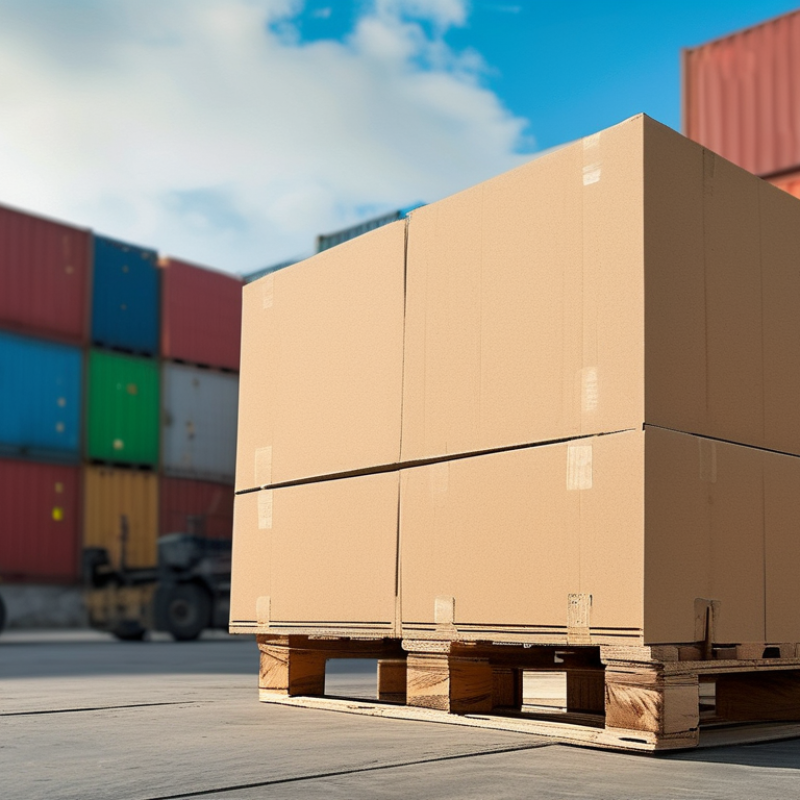
Paper slip sheets are gaining traction in global shipping due to their lightweight and efficient design. They are flat, thin sheets made of pressed paperboard. Their primary function is to support goods during transport, allowing for easy handling and loading. Unlike traditional pallets, slip sheets take up less space and are more environmentally friendly. According to industry reports, using paper slip sheets can reduce shipping costs by up to 30%.
In addition to cost savings, paper slip sheets enhance safety. They provide a stable platform for stacked goods, minimizing the risk of shifting during transit. This is crucial, as industry studies indicate that 25% of product damage occurs due to improper handling. Slip sheets are also recyclable, aligning with the growing demand for sustainable shipping solutions. This eco-conscious approach appeals to many businesses.
However, the transition to paper slip sheets is not without challenges. Some companies may struggle with the learning curve of new equipment for handling slip sheets. Proper staff training is essential for maximizing their benefits. Additionally, not all products can be effectively shipped using slip sheets, which limits their application. These factors highlight the need for careful consideration when integrating paper slip sheets into existing logistics operations.
Paper slip sheets offer significant advantages in global shipping. They are lightweight, reducing overall shipment weight and associated costs. This benefit is crucial for businesses aiming to optimize expenses. Additionally, their flat design allows for efficient stacking and storage. This maximizes space in both shipping containers and warehouses.
Using paper slip sheets also aligns with sustainability goals. They are typically made from recyclable materials, which lowers environmental impact. However, transitioning to paper from traditional wooden pallets can be challenging. Companies may need to adapt their loading and unloading processes. Training staff to handle paper slip sheets efficiently can require time and resources.
Moreover, proper use is essential to ensure safety and stability during transit. Without adequate handling, goods may shift and sustain damage. This highlights the importance of thorough procedures and checks. Regular evaluation of the shipping process can help identify issues and improve efficiency. These elements are vital for a successful global shipping strategy.
When comparing paper slip sheets to traditional pallets, significant advantages arise. Paper slip sheets are lighter than wooden pallets, which reduces shipping costs. According to a report by the International Association of Materials Management, companies could save up to 30% in freight costs when switching to paper-based solutions. This is due to the reduced weight leading to lower fuel consumption during transportation.
Additionally, paper slip sheets are designed for easier stacking and storage. They occupy less space than traditional pallets, which can translate to increased storage efficiency. A study from the Packaging Machinery Manufacturers Institute indicates that businesses can improve their warehouse space utilization by 25% with slip sheets. This is crucial for global shipping where every square inch counts in distribution centers.
Despite these benefits, challenges exist. Some users report difficulty in adapting machinery for slip sheets. Transitioning from pallets may require staff training and investment in new equipment. However, the long-term benefits, including sustainability and cost efficiency, often outweigh these initial hurdles. As industries shift toward environmentally friendly practices, paper slip sheets present a compelling alternative that aligns with both economic and ecological goals.
Using paper slip sheets in global shipping promotes cost-effectiveness and sustainability. These lightweight alternatives to traditional pallets reduce shipping costs significantly. Directly transferring goods onto slip sheets cuts down on the weight and volume of shipments. This shift can lead to lower transportation costs and more efficient cargo space utilization.
Sustainability is a growing concern for businesses today. Paper slip sheets are made from recyclable materials, which minimizes environmental impact. They are biodegradable, unlike plastic alternatives that can persist in landfills for centuries. Choosing slip sheets demonstrates a commitment to eco-friendly practices and can enhance a company's reputation.
Implementing this system isn’t without challenges. Training staff to handle slip sheets requires time and resources. Companies must also ensure that their supply chains adapt to this shift. A thoughtful transition plan can alleviate potential hiccups in workflow. Balancing cost savings with the need for employee adjustment is vital for long-term success.
This chart illustrates the key benefits of using paper slip sheets for global shipping, emphasizing their cost-effectiveness and sustainability.
Implementing paper slip sheets in shipping processes offers several advantages. They are lightweight and can help reduce shipping costs. These sheets provide a stable base that allows for easy loading and unloading. Utilizing slip sheets can significantly streamline the packing process.
When integrating paper slip sheets, training staff is crucial. Employees must understand how to stack and secure loads properly. Poor stacking can lead to damaged goods or inefficiencies. Always test the setup with small batches to identify any potential issues. Continuous feedback from the team can enhance this process.
Monitoring the performance of slip sheets is vital. Regularly review shipping efficiency and gather data on any problems. Look for patterns in damages or delays. Reflecting on these insights will provide opportunities for improvement. Adopting best practices requires flexibility and a willingness to adapt strategies.
How can we help you?
Call to 0034 943884600 Contact usWe use cookies to ensure that we give you the best experience on our website. If you continue without changing your settings, we'll assume that you agree to receive cookies on the HINE website. For more information read our cookie policy page, click the link for more information.plugin cookies
ACEPTAR