

What are the Benefits of Wave Spring Technology in 2026?

In recent years, Wave Spring technology has gained traction across various industries. Experts praise its unique adaptability and efficiency. Dr. Emily Tran, a leading researcher in mechanical engineering, states, "Wave Springs are revolutionizing the way we think about compression." This technology offers a compact alternative to traditional coil springs, making it ideal for space-constrained applications.

The benefits of Wave Spring technology extend beyond mere size. Its design ensures a consistent load distribution, resulting in enhanced performance in machinery. Manufacturers are increasingly recognizing the potential for reduced fatigue and longer service life. This shift towards Wave Spring innovation is not without challenges. Companies must navigate initial costs and integration processes. However, the long-term advantages often outweigh these hurdles.

As we approach 2026, the relevance of Wave Spring technology continues to grow. Industries like automotive, aerospace, and consumer products are exploring this innovation. Seeing the positive impact on efficiency and reliability opens new possibilities. Overall, Wave Spring technology stands as a testament to engineering progress and its potential to reshape the future landscape.
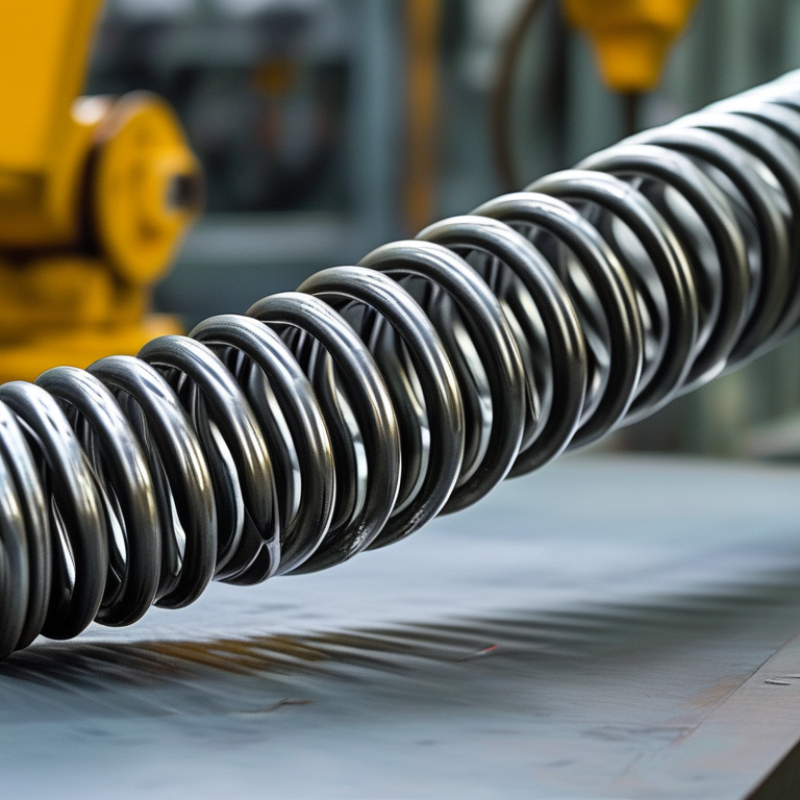
What are the Benefits of Wave Spring Technology in 2026?

Benefits of Wave Spring Technology in 2026: An Overview of Key Advantages

Wave Spring Technology offers significant advantages in various industries in 2026. This innovative technology provides compact designs with enhanced force. Data from industry reports shows that wave springs use 25% less space than conventional coil springs. Users benefit from simplified assembly due to their unique geometry.

Another key benefit is their weight efficiency. Wave springs can achieve the same load capacity as traditional springs but with reduced weight. According to 2025 research, companies reported up to a 30% decrease in weight. This reduction helps to improve fuel efficiency in automotive applications. However, manufacturers must ensure proper material selection to maintain durability.

Moreover, wave springs show greater repeatability and fatigue resistance over time. Reports indicate a lifespan increase by 15% when compared to standard springs. This durability often leads to lower maintenance costs. Yet, there is a need for careful design consideration to avoid critical failures, which can arise from improper installation or miscalculations.

Benefits of Wave Spring Technology in 2026

The chart above illustrates the key advantages of Wave Spring Technology in 2026. The data indicates that durability ranks highest among the benefits, closely followed by cost efficiency, showcasing the technology's appeal in various applications.

Enhanced Space Efficiency in Mechanical Design with Wave Springs

In 2026, wave spring technology is making waves in mechanical design. The core advantage lies in enhanced space efficiency. Traditional coil springs can consume excessive room in assemblies. Wave springs offer a compact alternative, fitting into tighter spaces without compromising performance. This can be crucial in industries where every millimeter counts.

Wave springs utilize their unique wave-like shape to provide significant load support. This design allows engineers to minimize the height or width of components. The versatility of wave springs makes them applicable in various sectors, from automotive to aerospace. They facilitate innovative designs that were previously unfeasible due to size constraints.

However, challenges remain. Wave springs may require careful integration into existing systems. Miscalculations in load or compression can render them ineffective. Engineers need to be mindful of these factors for optimal usage. While wave springs present solutions, they also invite scrutiny in performance contexts. They encourage designers to rethink traditional methodologies.

Reduction in Weight and Material Usage through Wave Spring Applications

Wave spring technology has emerged as a game changer in various industries, particularly in reducing weight and material usage. Recent studies highlight a significant shift towards these springs, showcasing an average weight reduction of up to 30% compared to traditional coil springs. This reduction is crucial in sectors like automotive and aerospace, where every gram counts. The lighter components lead to improved fuel efficiency and reduced emissions.

Utilizing wave springs allows for a decrease in material usage by as much as 50%. This innovation is grounded in advanced engineering principles, which allow for greater resilience within a smaller form factor. Additionally, their compact size often leads to improved design flexibility. For manufacturers, this represents an opportunity to optimize supply chains and reduce costs, both crucial in today’s competitive markets.

Despite these benefits, challenges exist. The transition to wave springs may require new design approaches and testing, impacting initial development timelines. Companies must balance the advantages against these potential hurdles as they adapt to this technology. Continuous evaluation and refinement of these applications are essential to maximize their effectiveness in real-world scenarios.

Improved Performance Consistency with Advanced Wave Spring Materials

Wave spring technology has gained traction for its ability to enhance performance consistency. In 2026, advanced wave spring materials significantly improve the operational reliability of various applications. These materials exhibit a unique ability to maintain load capacity while reducing weight. This helps in creating more efficient designs in numerous industries.

One important aspect is the reduction of friction. Advanced wave springs decrease wear in mechanical systems, increasing longevity. This is not just beneficial for maintenance; it also enhances overall performance. When components last longer, operational costs drop significantly. Such advantages might lead to reluctance in innovating further, as existing designs may seem satisfactory.

Tips: Consider the specific applications where wave springs can replace traditional counterparts. Small adjustments in design might yield substantial performance benefits. Regularly evaluate the materials used in manufacturing to ensure they meet evolving industry standards. Reflecting on these aspects can foster a culture of innovation and improvement. This is crucial for staying competitive in a rapidly evolving technological landscape.

Increased Durability and Fatigue Resistance in Wave Spring Solutions

Wave spring technology has increasingly gained traction in various industries due to its benefits in durability and fatigue resistance. In 2026, this technology has evolved, providing advanced solutions that address common wear issues. The unique design of wave springs allows for greater compression and expansion cycles without losing performance. This makes them ideal for applications requiring consistent pressure over time.

Consider a scenario where regular springs fail after a few thousand cycles. In contrast, wave springs can endure considerably longer. They maintain their shape and functionality even under extreme conditions. This durability is critical in sectors like aerospace and automotive, where component failure can lead to hazardous situations.

**Tip:** Regularly assess the performance of wave springs in your applications. Early detection of fatigue can prevent unexpected breakdowns.

Another advantage is the compact size of wave springs. Their design minimizes space usage, allowing for more efficient layouts in machinery. However, not all applications will benefit from wave springs. Sometimes, traditional springs could offer better solutions at a lower cost.

**Tip:** Evaluate your specific needs before switching to wave springs. Cost and application suitability should be your top considerations.

By focusing on increased durability and fatigue resistance, wave spring technology presents significant advantages, but it requires careful thought to implement effectively.

What are the Benefits of Wave Spring Technology in 2026? - Increased Durability and Fatigue Resistance in Wave Spring Solutions

Benefit Description Impact on Application
Increased Durability Wave springs are designed to withstand higher loads over longer periods without deformation. Enhances the lifespan of various mechanical devices in industries such as automotive and aerospace.
Fatigue Resistance Ability to endure repeated loading and unloading cycles without failure. Critical for applications requiring consistent performance, like suspension systems.
Space Efficiency Design allows for compact installations, saving valuable space in machinery. Ideal for applications in tight spaces, such as medical devices and electronics.
Cost-Effectiveness Reduced need for maintenance and replacement lowers overall operational costs. Beneficial in production environments where downtime is costly.
Versatility Can be used in a wide range of applications and industries, from automotive to aerospace. Adaptable solutions for diverse engineering challenges.

Article Source:

Choose a global leader for your hydraulics solutions

How can we help you?

Call to 0034 943884600 Contact us
Call us Contact us

We use cookies to ensure that we give you the best experience on our website. If you continue without changing your settings, we'll assume that you agree to receive cookies on the HINE website. For more information read our cookie policy page, click the link for more information.plugin cookies

ACEPTAR
Aviso de cookies