Best Aluminum Extruded Profiles for Global Buyers?
In the competitive marketplace of Aluminum Extruded Profiles, global buyers face numerous choices. These profiles play a critical role in various industries, from construction to automotive. With their lightweight and durable nature, they are increasingly in demand.
Understanding the best Aluminum Extruded Profiles can be challenging. Different applications require specific designs and materials. This complexity can lead to confusion among buyers. It is essential to consider the properties of profiles tailored for specific uses. For instance, profiles used in structural applications may differ greatly from those used in decorative designs.
Buyers should seek reliable suppliers who demonstrate expertise in Aluminum Extruded Profiles. It is important to assess their experience and past projects. Transparent communication is also key to ensure the right choice. By doing so, buyers can make informed decisions that lead to successful outcomes.
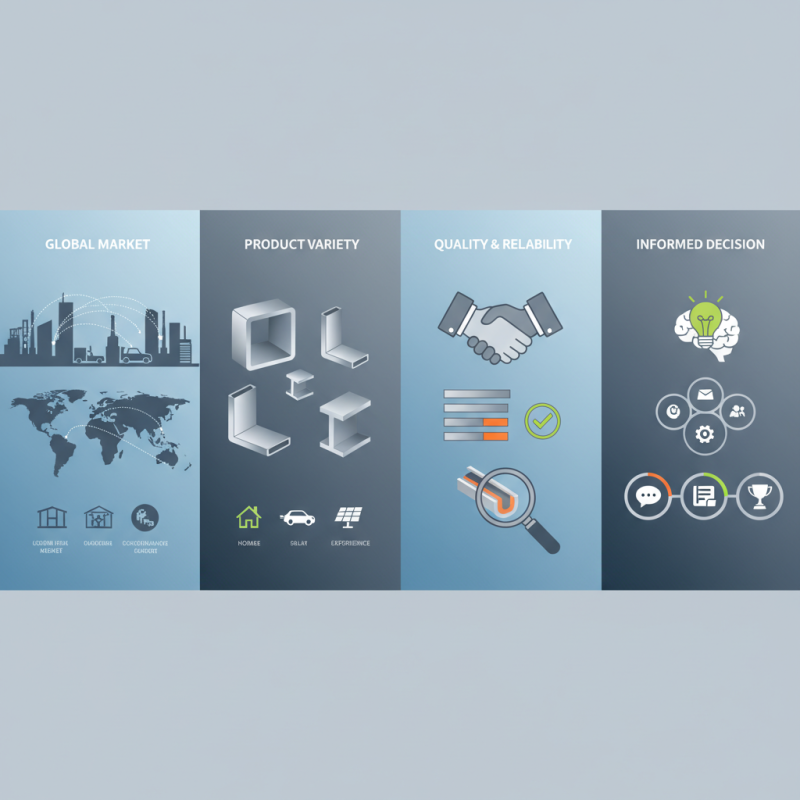
Understanding Aluminum Extruded Profiles: Definition and Uses
Aluminum extruded profiles are versatile materials, extensively used in various industries. They are created by forcing aluminum through a specific shape, producing long sections with uniform cross-sections. This process allows for great design flexibility and precision. Lightweight yet durable, these profiles find applications in construction, automotive, and manufacturing sectors.
Many buyers often undervalue the importance of choosing the right profile. Each application requires specific design considerations. For example, structural supports need different properties compared to decorative elements. The wrong choice can lead to structural failures or increased costs. Therefore, understanding the unique attributes of each profile is crucial.
In recent years, the market has seen an uptick in customized profiles. This allows for tailored solutions that meet distinct project needs. However, custom extrusions can quickly become a challenge. They may take longer to produce and often come with higher costs. Evaluating the trade-offs is essential for informed decision-making. Expertise in materials and their applications can aid in selecting the most effective solutions.
Key Features to Consider When Selecting Aluminum Profiles
When selecting aluminum extruded profiles, several key features should be considered. Material quality is paramount. High-strength alloys often provide enhanced durability and resistance to environmental factors. According to a recent report from the Aluminum Association, the demand for high-performance aluminum profiles has risen by 12% over the last few years due to their lightweight yet robust nature.
Surface treatments also play a significant role in performance. Anodizing and powder coating can increase corrosion resistance and improve aesthetics. However, not all treatments offer the same level of protection. Choose treatments based on the intended application and environmental conditions.
**Tips:** Always ask for a certification of the aluminum's properties. This ensures that it meets necessary industry standards. Don’t overlook the importance of fabrication capabilities. Profiles that can be easily modified or assembled can save costs and time. Yet, expect that some profiles may have limitations based on their design complexity, which can impact project timelines and budgets.
Best Aluminum Extruded Profiles for Global Buyers? - Key Features to Consider When Selecting Aluminum Profiles
| Profile Type | Key Features | Applications | Thickness (mm) | Weight (kg/m) |
| T-Slot Profiles | Versatile, easy assembly | Machine frames, workstations | 10-20 | 1.5-3.5 |
| Structural Profiles | High strength, durability | Support structures, bridges | 20-40 | 3-6 |
| Angle Profiles | L-shaped, corrosion resistant | Corner supports, frames | 5-15 | 1-2.5 |
| Flat Bars | Simple, customizable | Rails, brackets | 3-10 | 0.5-1.5 |
| Round Tubes | Lightweight, aesthetic | Handrails, supports | 10-30 | 1-4 |
Top Aluminum Extrusion Manufacturers for Global buyers
When sourcing aluminum extruded profiles, selecting a reliable manufacturer is crucial. Many companies offer quality products, but not all meet the stringent requirements of global markets. The best manufacturers are marked by their consistency, quality control, and customer service. They should also have a comprehensive understanding of international standards.
When evaluating potential suppliers, consider their experience in the industry. A manufacturer with years of expertise will likely offer better guidance and insight. Carefully review their production capabilities and technology. It’s essential to work with a producer who utilizes advanced methods, ensuring precision and efficiency.
Tips for choosing a manufacturer: Verify their certifications and ask about their production process. A transparent approach is a sign of reliability. Don’t hesitate to request samples. Evaluating the material can prevent future issues in your projects. Additionally, communicate your specific needs clearly. Misunderstandings can lead to unsatisfactory results, so clarity is key.
Applications of Aluminum Extruded Profiles in Various Industries
Aluminum extruded profiles are essential in various industries due to their versatility and strength. In the construction sector, these profiles are used extensively for window frames, facades, and structural components. According to a 2022 industry report, the construction industry accounts for nearly 40% of the aluminum profile market globally. Their light weight and corrosion resistance make them ideal for enhancing energy efficiency.
In the automotive industry, aluminum profiles are becoming increasingly important. They are utilized in manufacturing lightweight components, which can improve fuel efficiency. A study indicates that using aluminum can reduce vehicle weight by
up to 50%. Furthermore, the adoption of aluminum profiles supports electric vehicle production, where weight reduction is critical to battery efficiency.
The aerospace sector also benefits from aluminum extrusions. Lightweight profiles are used in aircraft structure and components, contributing to overall performance and fuel savings. However, sourcing high-quality materials can be challenging. A recent survey highlighted concerns about
supply chain reliability. This showcases the need for manufacturers to carefully vet their suppliers to ensure they meet standards. The growing demand for aluminum extruded profiles across industries reflects ongoing trends towards
sustainability and efficiency.
Trends and Innovations in Aluminum Extrusion Technology
Aluminum extrusion technology is evolving rapidly. As global demand surges, innovations emerge in design, efficiency, and sustainability. The global aluminum extrusion market was valued at approximately $49.24 billion in 2021 and is expected to grow significantly. Enhanced methods and techniques are pivotal in this growth.
One key trend involves lightweight design. Industries increasingly seek lighter, stronger profiles to improve energy efficiency. Extruded aluminum profiles are becoming critical in automotive and aerospace sectors. This shift aligns with a report indicating a 30% increase in the use of aluminum for vehicle components by 2025. Companies must adapt by investing in advanced production techniques for better performance.
Tips: Consider the lifecycle of aluminum profiles. Ensure they meet evolving standards. Sustainability is essential, with recycled aluminum providing environmental benefits.
New technologies like 3D aluminum printing also gain traction. It allows for intricate designs that were once impossible. While this technology shows promise, challenges remain in production scalability. Businesses need to reflect on their adoption strategies. Balancing innovation with practical application is crucial for future success.