How to Choose the Best Android Barcode Scanners for 2026 Canton Fair?
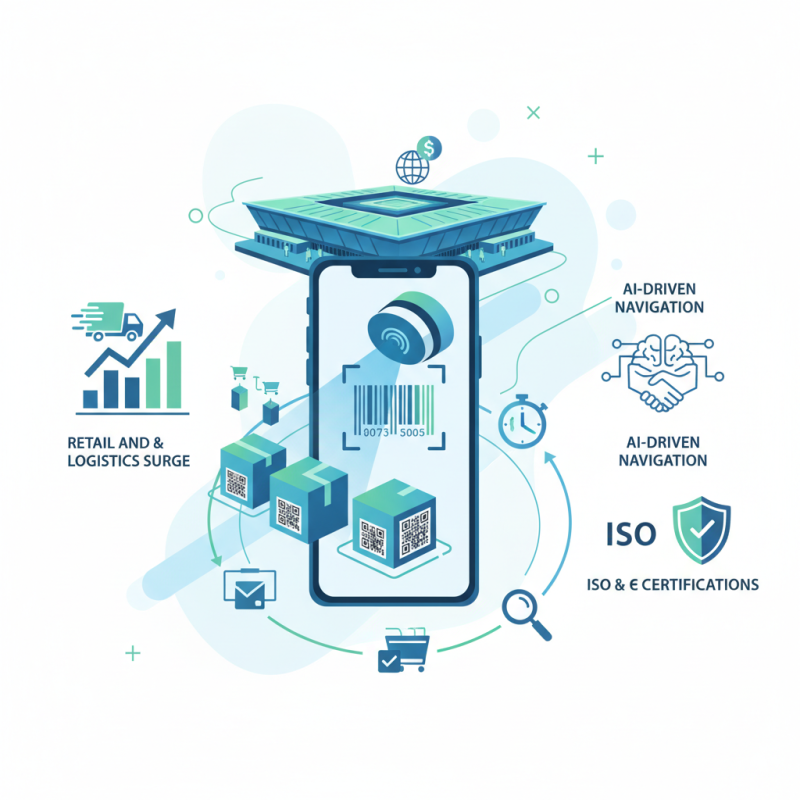
As we approach the 139th Canton Fair in 2026, the relevance of Android Barcode Scanners cannot be overstated. This fair, occurring in multiple phases from April to May, showcases advancements across various sectors. According to a recent industry report, the adoption of barcode scanners in retail and logistics has surged by 25% in the past year alone. The efficient use of these devices will be essential for buyers navigating the vast exhibition space, which now boasts AI-driven search and navigation capabilities.
"Android Barcode Scanners are revolutionizing the way suppliers and buyers interact," says Dr. Lisa Chen, a leading expert in supply chain technology. Her insights highlight how these scanners enhance efficiency and accuracy in product tracking. Buyers can quickly identify suppliers who meet specific qualifications, such as ISO or CE certifications, enhancing their sourcing experience.
However, not all scanners are created equal. The rapid development of technology means some devices may lag behind, causing potential frustrations. It is crucial for attendees at the Canton Fair to evaluate their options carefully. The right Android Barcode Scanner can streamline their experience, making a significant difference amidst the bustling environment of the trade fair.
Understanding Barcode Scanner Types for Efficient Usage at Canton Fair
When choosing a barcode scanner for the , understanding the types is crucial. There are primarily two categories: laser and image-based scanners. Laser scanners excel in reading barcodes, even from a distance. They are best for quick scans in crowded areas. Image-based scanners capture images of barcodes. They offer versatility, as they can read damaged or poorly printed codes.
Consider the environment at the fair. If you need to scan a lot of items quickly, a laser scanner might be more effective. However, if you encounter varied barcode types, an image-based scanner can prove advantageous. Each has its strengths and weaknesses. For instance, laser scanners may struggle with certain barcode formats. Image-based scanners might take longer if the lighting is poor.
Battery life and ease of use are also important. A device that dies mid-scan is frustrating. Ensure the scanner feels comfortable in your hand. It should not be too heavy or too bulky. Users often overlook these details. Reflect on these aspects to make an informed choice.
Key Features to Look for in Android Barcode Scanners for 2026
When choosing an Android barcode scanner for the 2026 Canton Fair, consider key features carefully. A reliable scanner should offer easy connectivity options, such as Bluetooth or Wi-Fi. A strong wireless connection can enhance productivity on the busy fairground. Look for scanners with long battery life. You don’t want to run out of power during crucial moments. A scanner that lasts through the day is essential.
Scanning speed is another critical aspect. A quick scanning process saves time when managing large inventory. Opt for devices that can read various barcode types. Flexibility in this area can help in diverse product interactions. Also, consider the scanner’s durability. The fair can be hectic. A robust design will withstand occasional drops or spills.
User-friendly software is often overlooked. Look for intuitive interfaces that require minimal training. Some scanners come with customizable settings that adapt to specific tasks. These can enhance overall efficiency but could overwhelm some users. Ultimately, finding the right balance between functionality and simplicity is key. Your choice will impact operations at the fair. Make sure to weigh options carefully.
Industry-Specific Barcode Scanning Needs for Different Exhibitor Categories
Choosing the right barcode scanners for the 2026 Canton Fair is crucial for exhibitors. Different industries have specific needs. For instance, retailers may require fast scanning to handle high volumes. In contrast, manufacturers may focus on durability and versatility. According to a report by Grand View Research, the global barcode scanner market is expected to reach $7.1 billion by 2025, highlighting the importance of selecting suitable technology.
Industry-specific requirements should guide your decision. Healthcare exhibitors often need scanners that can read various barcode formats. These scanners must also comply with safety regulations. Meanwhile, food and beverage categories often benefit from devices with hygiene and sanitation features. Reports suggest that 62% of businesses prioritize efficiency when choosing technology. Hence, understanding your sector's demands can enhance operational efficiency.
Tip: Look for scanners with a wide range of connectivity options. This allows seamless integration with existing systems. Also, consider ease of use and support. It’s worth noting that some devices may require additional training for staff. Investing in user-friendly technology can save time and increase accuracy. Remember to assess both immediate and long-term needs carefully. You may find that a more complex scanner may outperform simpler models in the long run.
Evaluating Compatibility and Integration with Inventory Management Systems
When choosing an Android barcode scanner for the 2026 Canton Fair, compatibility is key. The scanner should easily connect to existing inventory management systems. A seamless integration ensures efficiency during busy trade show hours. Look for scanners that support various inventory management platforms for flexibility.
Consider the features that bolster integration. Built-in software or APIs can simplify data syncing. Users may face challenges if the scanner requires complex setups. Intuitive interfaces are essential for quick training of booth staff. A scanner that complicates the process will lead to frustration.
Testing compatibility in advance is crucial. Try scanning different types of barcodes to evaluate performance. It's not uncommon for some scanners to misread certain labels. Engaging with other vendors can provide insights on their experiences. Learning from their mistakes can guide your choice. Ultimately, the right scanner enhances productivity and reduces errors.
How to Choose the Best Android Barcode Scanners for 2026 Canton Fair? - Evaluating Compatibility and Integration with Inventory Management Systems
| Model | Scanning Speed | Compatibility | Integration Features | Battery Life |
| Model A | 200 scans/sec | Android OS 7.0 and above | REST API, Webhooks | 12 hours |
| Model B | 150 scans/sec | Android OS 8.0 and above | CSV Export, Integrates with ERP | 10 hours |
| Model C | 250 scans/sec | Android OS 9.0 and above | Integration with Cloud Services | 15 hours |
| Model D | 180 scans/sec | Android OS 6.0 and above | API Integration, Email Reports | 8 hours |
| Model E | 230 scans/sec | Android OS 10.0 and above | Native App Support, Cloud Sync | 14 hours |
Latest Market Trends and Innovations in Android Barcode Scanning Technology
As the 2026 Canton Fair approaches, it's essential to consider the latest trends in Android barcode scanning technology. Today, scanners are not just about speed; they also focus on accuracy and usability. Modern devices feature faster processors, improved imaging capabilities, and ergonomic designs. These advancements enhance the user experience while ensuring reliable data capture.
Another significant trend is the integration of artificial intelligence. AI algorithms can help scan barcodes more accurately by reducing errors. Additionally, many devices now support various barcode formats, making them versatile for different sectors. However, with countless options available, users may feel overwhelmed. It's crucial to analyze your specific needs and test various models before making a decision.
Security is another critical aspect. As digital transactions grow, security measures must evolve. Scanning devices should incorporate encryption and secure data transmission features. Many users tend to focus only on pricing, occasionally overlooking these essential elements. Choosing the right scanner involves more than just what’s visible; it's about ensuring reliability and safety in your operations.
Analysis of Android Barcode Scanners Metrics for 2026
This bar chart illustrates important metrics of Android barcode scanners projected for the 2026 Canton Fair. It includes aspects such as speed, accuracy, battery life, weight, and pricing, providing insights into market trends and innovations in scanning technology.