10 Best Car Battery Jumpers to Buy in 2026?
A weak battery rarely announces itself at a convenient moment. It may show up as a slow crank in a cold parking lot, dim dashboard lights, or silence after the key turns. AAA’s battery guidance says a typical car battery lasts about three to five years, though heat, cold, and driving habits can shorten that span. AAA also identifies battery trouble as a frequent reason drivers request roadside assistance. Those details make a Portable Car Battery Jumper more than a gadget for the glove box.
AAA automotive engineering director Greg Brannon has advised drivers to check battery condition before extreme weather stresses it. That guidance is worth remembering, even if a jump starter cannot repair an aging battery. A device’s peak-amp number alone does not tell the whole story. Cable reach, clamp design, cold-weather performance, safety protections, and clear instructions matter when you are standing beside a car in the rain.
Small details count. A jumper that fits under the trunk floor is easier to keep charged and ready. A bright status display helps in low light. Still, product specifications can be hard to compare, and advertised results may not match every vehicle or temperature. This guide examines ten options for 2026, focusing on practical features, credible specifications, and everyday usability. The right choice depends on your vehicle, climate, and comfort with the equipment. A little uncertainty remains; that is a reason to compare carefully, not to trust the biggest number on the box.
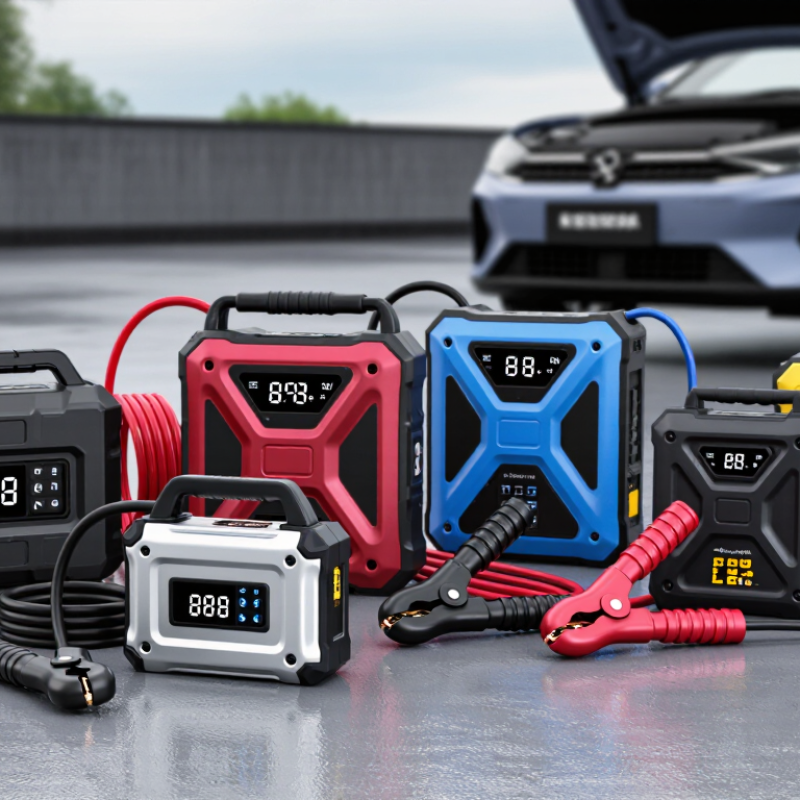
Understanding Car Battery Jumpers and Their Purpose
A car battery jumper provides temporary power when a vehicle battery cannot start the engine. A portable jump starter connects directly to the battery; traditional jumper cables transfer power from another vehicle. Neither device repairs a worn-out battery. If the same car needs repeated jumps, the battery or charging system may need professional testing.
Small details matter. Before buying, check that the jumper matches your vehicle’s voltage and engine requirements. Look for clear polarity markings, insulated clamps, and built-in protection against common connection errors. A compact unit may fit neatly in a glove compartment, but its capacity still needs to suit your car. Cold mornings can also reduce battery performance, so storage conditions count.
Tips: Park safely and switch off both vehicles before connecting cables. Follow the vehicle manual and the jumper’s instructions, matching positive and negative connections carefully. Keep clamps away from moving engine parts. Stop if a battery looks cracked, swollen, or is leaking; guessing is not worth the risk. After a successful start, a short drive may not fully recharge a weak battery. I sometimes underestimate how quickly small jump packs lose charge in storage, so check their charge level every few months.
How Portable Jump Starters Deliver Power to a Vehicle
A portable jump starter stores electrical energy in an internal battery and releases it in a brief, high-current burst. That power helps turn the vehicle’s starter motor when the car battery cannot provide enough current. It does not usually recharge a flat battery like a plug-in charger; it gives the engine a chance to start.
Most units connect to the vehicle battery with clamp leads. The red clamp attaches to the positive terminal, while the black clamp goes to the specified grounding point or terminal. Follow the device and vehicle manuals, since connection steps can vary. Once connected, the starter supplies power through the cables. After the engine starts, remove the clamps in the recommended order. A cold morning, loose connection, or deeply discharged battery can affect results. A jump starter is helpful, but it cannot fix a failing battery.
Tips: Check that the unit matches your vehicle’s voltage and engine requirements. Inspect the cables for damage, and keep the clamps from touching. Use short starting attempts, with pauses between them. Protection features are useful, not infallible. Read the instructions before an emergency; I admit, it is easy to forget the small details when you are standing in the cold.
12-Volt Vehicle Battery: Typical Voltage Benchmarks
A portable jump starter provides high-current assistance to help crank a vehicle. These reference voltages show a fully charged battery at rest, a common minimum cranking voltage at 21°C (70°F), and a representative engine-running charging voltage. Actual readings vary with temperature, vehicle, and battery condition.
Key Features and Safety Ratings to Compare
When comparing the 10 best car battery jumpers for 2026, look beyond peak-amp claims. SAE International’s J537 battery test defines cold-cranking performance at -18°C: a 12-volt battery must sustain its rated current for 30 seconds while staying above 7.2 volts. That is a useful reference, but it does not make a jumper’s advertised peak current directly comparable to a battery’s CCA rating. Check the manufacturer’s vehicle and engine-size guidance instead. A unit that starts a small sedan may struggle with a larger engine in freezing weather.
Safety features deserve equal attention. Look for reverse-polarity alerts, short-circuit protection, insulated clamps, and clear instructions for connecting leads. UL 2743 covers safety requirements for portable power packs; verify the exact model’s certification rather than relying on vague “tested to” wording. A built-in light helps when clamps meet battery posts in a dark driveway. So does a charge indicator. Small details matter.
Consider cable length and clamp reach, too. A short lead can pull loose when the battery sits behind a crowded engine bay. Keep the device within its stated temperature range, and inspect cables for cracked insulation. Ratings do not replace careful use. I’d still question a product with impressive numbers but no clear test method. Safety labels can be confusing. Compare documentation, not just packaging.
Ten Car Battery Jumpers to Consider in 2026
Ten Car Battery Jumpers to Consider in 2026
When comparing ten car battery jumpers in 2026, match the design to your vehicle and likely conditions. A compact lithium booster suits a glove box. A higher-output model may suit larger engines, but check its rated capacity against your vehicle’s manual. A cold-weather-rated unit can help during winter mornings. A model with selectable 6- and 12-volt settings may serve different vehicles, if their specifications allow it. An integrated air compressor adds roadside utility, though it makes the unit heavier.
Other options include a jumper with a power bank, one with a 12-volt accessory outlet, and a design with longer cables for awkward battery placement. A weather-resistant case can protect against dust and splashes, but it is not permission to leave the unit exposed to rain. A model with clear charge indicators and reverse-polarity protection can reduce connection mistakes. The headline current figure is not everything. Clamp quality and cable reach matter, too.
Tips: Keep the unit charged and inspect its clamps occasionally. Follow the vehicle and jumper manuals, connect only to compatible systems, and avoid touching the clamps together. A small clamp can feel fiddly in a dark engine bay, so practice the setup in daylight.
How to Match a Jumper to Your Vehicle and Needs
Choosing a jump starter starts with the vehicle, not the device’s largest advertised number. Check your owner’s manual for the required voltage and any guidance on jump-starting. Most passenger cars use 12-volt systems, but confirm before buying. Small engines often need less starting current than large engines, while diesel vehicles may require more. Compare the starter’s rated cranking current with your vehicle’s needs; peak-current figures alone can be hard to interpret. Cold weather also makes starting harder, so leave some capacity in reserve if you drive through freezing winters.
Bigger is not always better.
Think about where and how you will use it. A compact unit fits a glove compartment, but check that its cables can reach the battery terminals comfortably. Built-in reverse-polarity protection and clear connection indicators can help prevent mistakes. A light is useful during roadside stops, though it should not replace a reflective warning device. Check charging time, storage temperature, and how often the unit needs recharging. A neglected booster may be flat when you need it. Read the instructions before an emergency, and follow the vehicle maker’s procedure. It is easy to overlook cable length when shopping; that detail deserves a second look.