Best CNC Equipment Manufacturers in China for Global Buyers
Choosing the best Cnc Equipment manufacturer in China requires more than comparing prices and catalog photos. Global buyers need dependable machines, clear specifications, responsive support, and documented quality controls. This guide examines manufacturers producing CNC machining centers, lathes, routers, laser systems, and related automation equipment. It focuses on practical details that affect daily production, including spindle performance, positioning accuracy, software compatibility, safety design, and spare-parts availability.
A reliable supplier should explain its manufacturing process clearly. Buyers should request factory videos, inspection records, sample parts, and references from similar industries. ISO 9001 certification can support confidence, but it should not replace an independent factory audit. A polished website is not proof. Ask about machine testing, packaging methods, installation training, and response times for technical problems. These details often reveal more than a low quotation.
Real projects rarely match a perfect brochure. Delivery schedules can change, software integration may require extra work, and operator training is sometimes underestimated. Careful buyers should confirm voltage requirements, export documents, warranty terms, and local compliance before ordering. They should also compare total ownership costs, not only the purchase price. This overview presents leading Chinese manufacturers through a balanced, evidence-based lens. It considers production experience, engineering capability, international service, and buyer feedback. Some companies may excel at heavy-duty milling, while others suit precision components or small workshops. The right choice depends on material, workload, tolerance, budget, and long-term support needs. Verify every claim. Then decide with evidence.
China’s CNC Equipment Manufacturing Landscape for Global Buyers
China’s CNC Equipment Manufacturing Landscape for Global Buyers
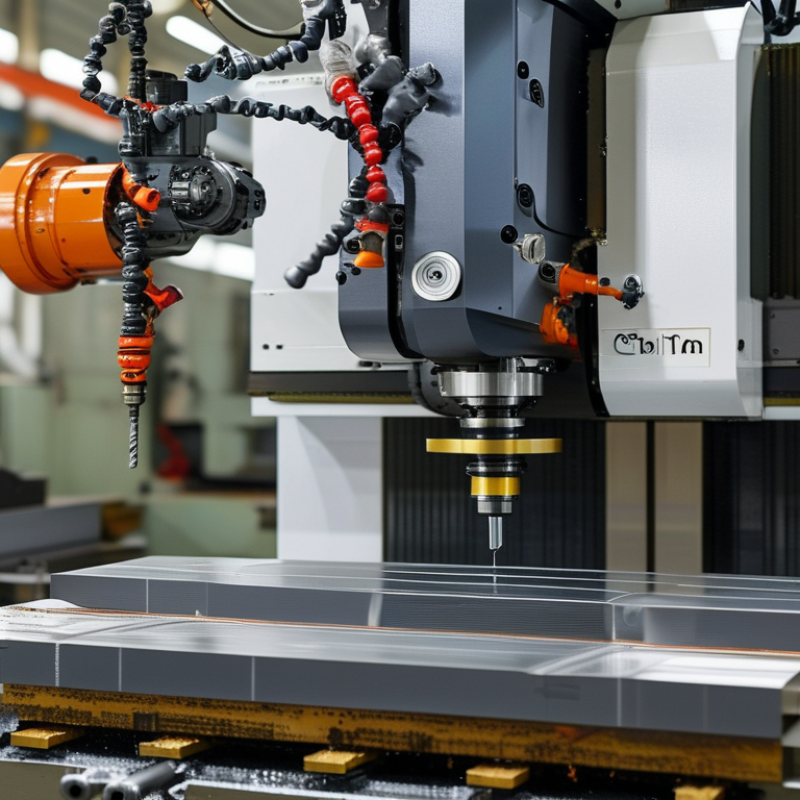
China’s CNC equipment sector covers compact milling centers, turning machines, cutting systems, and customized production lines. Buyers can often compare several configurations within one industrial region. This creates useful price pressure, but specifications need careful reading. A machine listed with high spindle speed may still lack rigidity for continuous steel machining. Ask for cutting samples using your actual material, tooling, and tolerance requirements.
Factory evaluation should extend beyond photographs and polished showrooms. During a technical visit, inspect assembly areas, calibration records, electrical cabinets, and finished-machine testing. Check whether linear accuracy and repeatability reports match recognized measurement practices. Review control-system options, safety documentation, power requirements, and language support before signing. Export experience matters too. Reliable suppliers explain packing methods, installation procedures, spare-part availability, and response times in writing.
Some risks are less visible. A low quotation may exclude tooling, software licenses, training, or local commissioning. A supplier may promise a short lead time before confirming purchased components. That deserves a second conversation. Buyers should request references from comparable factories, verify production capacity, and define acceptance tests contractually. My own assessment would remain cautious: a strong sample does not prove long-term stability. Run endurance tests when possible, record vibration and temperature changes, and leave room for adjustments after the first production batch.
How to Match CNC Machine Types With Production Requirements
Choosing CNC equipment for a Chinese manufacturing partner should begin with the part, not the machine catalog. A small batch of aluminum brackets may need a three-axis vertical machining center, while complex impellers often require five-axis control. A CNC lathe suits shafts, bushings, and threaded components. A turning center with live tooling can reduce handling between operations. Every extra setup can increase alignment errors and labor time.
Material changes the decision. Hardened steel demands rigid construction, suitable spindle torque, and reliable coolant delivery. Thin aluminum parts need sharp tooling, stable workholding, and careful chip evacuation. For sheet components, a CNC laser or press brake may fit better than a machining center. Check the required tolerance, surface finish, part size, annual volume, and cycle time together. One specification rarely tells the full story.
Production evidence matters. Ask the manufacturer for sample cuts using comparable material and geometry. Review spindle power curves, positioning accuracy reports, controller functions, and maintenance access. A factory acceptance test should measure dimensions, repeatability, tool changes, and safety features. Do not rely only on polished videos. They can hide inconvenient details. I have seen buyers overlook floor space, voltage requirements, and operator training. That mistake becomes expensive after shipment. Leave room for uncertainty. Your first capacity estimate may be too optimistic, especially when fixtures, inspection, and programming time are included.
Best CNC Equipment Manufacturers in China for Global Buyers: Matching CNC Machine Types With Production Requirements
Typical machine configurations and spindle-speed ranges help global buyers match CNC equipment with part geometry, production volume, and setup requirements. Values are representative industry ranges and vary by machine specification.
How to use this comparison: CNC turning centers are generally suited to rotational components, 3-axis machining centers fit standard prismatic parts, 5-axis machines support complex surfaces with fewer setups, and mill-turn systems combine turning and milling for highly integrated production.
Key Criteria for Evaluating Chinese CNC Manufacturers
Best CNC Equipment Manufacturers in China for Global Buyers
Evaluating a Chinese CNC manufacturer requires more than comparing hourly prices. Start with process capability, inspection discipline, and export experience. Ask for recent sample reports, including dimensional results, surface-finish readings, and material certificates. ISO’s 2023 Survey recorded 1,265,216 valid ISO 9001 certificates worldwide, but certification alone proves little. Confirm the certificate scope, issuing body, and actual workshop procedures.
Look closely at equipment age, spindle condition, calibration records, and maintenance logs. A modern machine does not guarantee stable production. Request evidence of Cpk results for critical dimensions, not only attractive product photos. China installed 276,288 industrial robots in 2023, according to the International Federation of Robotics’ World Robotics 2024 report. Automation can improve consistency, yet skilled programming and fixture design still matter. Ask who controls revisions and how rejected parts are isolated.
Reliability also includes communication after shipment. Check response times, spare-part planning, packaging methods, and experience with your destination’s documentation requirements. A factory should explain lead times using capacity data, not optimism. Video calls help, but an independent pre-shipment inspection is stronger evidence. No checklist is perfect. Even experienced buyers can overvalue certificates and underestimate engineering changes. Leave room for a pilot order, measurable acceptance criteria, and a written correction process. That small test may expose weak traceability before it becomes an expensive production problem.