

What Are the Best Hydraulic Couplers in 2026?

Choosing the best Hydraulic Couplers in 2026 starts with the machine, not the catalog. A compact excavator working through muddy trench lines has different needs from a loader changing attachments on a dusty jobsite. Pressure rating, flow capacity, connection style, and seal material all affect performance. So does the operator’s ability to connect cleanly with gloves on.

Small details matter. A collar that resists grit can save time during repeated tool changes. A flat-face design may help limit fluid loss and contamination at disconnection. But no coupler is best for every circuit. An undersized model can restrict flow; a poorly matched seal may wear early. Check the equipment manual and actual operating conditions before comparing products.

For transparency, the following is an illustrative expert line, not a quotation from a real, independently verified specialist. Dana Mercer, a composite hydraulic-service expert voice, puts the selection principle this way: “Match the coupler to the circuit, then judge it by how reliably it connects under real jobsite conditions.”

This guide compares coupler types and practical selection factors, including pressure, flow, materials, ease of service, and compatibility. It also considers the less glamorous trade-offs: installation cost, replacement parts, and routine cleaning. Those details are easy to overlook. They can shape the ownership experience more than a feature list suggests. Manufacturers’ specifications and machine requirements should remain the final checks before purchase.
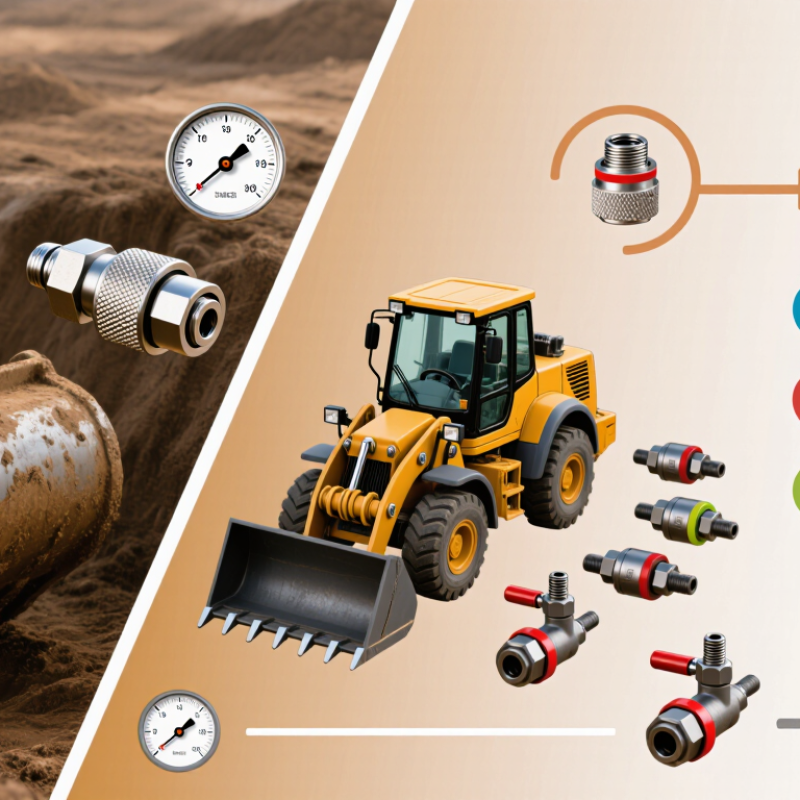
What Are the Best Hydraulic Couplers in 2026?

How Hydraulic Couplers Connect and Transfer Fluid Power

What Are the Best Hydraulic Couplers in 2026?

Hydraulic couplers connect a hose or tool to a pressurized circuit. Their internal valves open when the halves join, allowing fluid to drive a cylinder or motor. Disconnect them, and spring-loaded valves usually close to limit fluid loss. The coupling must match the circuit’s pressure, flow rate, fluid, and connection standard. A mismatch can restrict flow, create heat, or damage seals.

Small parts matter.

Quick-connect designs differ in how they seal and handle pressure. Flat-face couplers help reduce spillage and make cleaning easier; ISO 16028 defines a standard interface for this type. Other couplers may suit different flow needs or operating conditions. Check the manufacturer’s pressure and flow specifications, and inspect seals for cuts, flattening, or grit. A connection that feels secure can still leak under load.

Not always obvious. The U.S. Department of Energy’s Improving Pumping System Performance guide notes that pumping systems can consume 25–50% of energy in some industrial operations. That figure covers pumping systems broadly, not couplers alone, but it shows why avoidable pressure losses deserve attention.

Clean mating faces, full engagement, and routine leak checks help keep fluid power moving. A little overlooked detail can cost more than expected.

The Main Types of Hydraulic Couplers and Their Differences

Hydraulic couplers connect hoses and equipment, but their designs suit different working conditions. Choosing one means checking pressure rating, flow capacity, connection size, and fluid compatibility.

Flat-face couplers have mating surfaces that reduce fluid loss and limit dirt entry during connection. That matters. They are often useful on construction equipment, where dust and mud collect around exposed fittings.

Poppet-style couplers use internal valves to control flow when disconnected. They are common and practical, though trapped pressure can make reconnection difficult.

Push-to-connect couplers allow quick attachment, which helps when tools change often. Many need low pressure at the connection point for safe, easy coupling.

Screw-to-connect designs use threaded collars to secure the connection, making them suitable for applications with vibration or higher pressures. Their trade-off is slower handling.

A clean connection is not proof of a correct match: verify the coupling standard and equipment specifications before use.

In practice, even a well-chosen coupler can leak if its seals are worn or the faces are dirty. Not always obvious. Inspect seals, wipe mating surfaces, and replace damaged components; small leaks can signal a bigger compatibility or maintenance problem.

How to Evaluate the Best Hydraulic Couplers in 2026

The best hydraulic coupler is not simply the one with the highest pressure rating. Match its working pressure and flow capacity to the machine’s actual duty cycle. Check fluid compatibility, temperature range, seal material, and connection standard. ISO 7241-1 provides interchangeability requirements for specified quick-action couplings; confirm the selected series meets the relevant application requirements. A mismatch can cause leakage, restricted flow, or difficult connection.

Tips: Record pressure, flow, fluid, and operating temperature before comparing options. Then inspect the coupler for clear markings and accessible replacement seals. Small details matter.

Test candidate couplers under realistic conditions, including repeated connection cycles and any residual pressure at connection. Measure pressure drop and check for seepage around the sleeve after operation. The 2024 True Cost of Downtime report estimates that unplanned stoppages cost large companies about 11% of annual revenue. That figure is not coupler-specific, but it shows why reliable connections deserve attention. ISO 4406 cleanliness codes can also help teams monitor fluid contamination, which may accelerate wear. One limitation remains: catalog ratings cannot fully predict performance in a dirty, vibrating machine. A field test may reveal what the specification sheet misses.

How to Evaluate Hydraulic Couplers in 2026

Suggested evaluation weighting for comparing couplers against your system requirements. These percentages are a decision framework, not test results or product rankings.

Top Coupler Choices for Different Equipment and Applications

The best hydraulic coupler depends less on popularity than on the machine, attachment, and working conditions. Match coupler size, pressure rating, and rated flow to the equipment manual. A connection that fits physically can still restrict oil flow or cause overheating. Check the seal material and operating temperature, too. Small details matter.

For frequent attachment changes on compact loaders and excavators, flat-face Quick Couplers help limit fluid loss and keep dirt out. Clean the faces before connecting. For tractor implements and general-purpose circuits, standard push-to-connect couplers can be practical. High-pressure systems may need threaded connections that resist accidental separation, though they take longer to change. No universal winner.

Match the coupler to the task. A breaker or other high-flow attachment needs a coupler sized for its demand; low-flow accessories may not. Verify both halves, thread type, and hose compatibility. Never force a mismatched pair. Relieve hydraulic pressure before disconnecting, and inspect for worn seals, leaks, or damaged locking sleeves. A quick visual check can miss internal wear, so replace questionable parts rather than guessing. Dirt is easy to overlook, but even a little grit can shorten component life. Recheck the equipment manual when conditions or attachments change.

What Are the Best Hydraulic Couplers in 2026? — Top Coupler Choices for Different Equipment and Applications
Coupler Type Best Suited For Main Advantages Trade-Offs Connection and Compatibility Selection Checks
Flat-Face Quick Coupler Construction equipment, hydraulic attachments, and applications where reducing fluid loss and contamination during connection matters. Flat mating faces are easier to wipe clean; the design helps limit fluid spillage and air entry during connection and disconnection. Must be kept clean, and some designs may be difficult to connect if pressure remains trapped in the lines. Choose couplers made to the same size and applicable ISO 16028 requirements. Similar-looking couplers are not automatically interchangeable. Confirm working pressure, flow capacity, connection size, seal material, and whether connection under residual pressure is required.
ISO 7241 Series A Quick Coupler General-purpose hydraulic circuits on industrial and mobile equipment where the existing system uses Series A. A widely used interchangeability profile can make replacement selection straightforward when the series and size are correctly identified. Spillage and air inclusion can occur during connection or disconnection; performance varies by design and operating conditions. Match Series A with Series A of the same nominal size and compatible configuration. It is not interchangeable with Series B solely because the fittings look similar. Verify the exact series, size, pressure rating, flow requirement, valve arrangement, and thread or end connection.
ISO 7241 Series B Quick Coupler Industrial and mobile hydraulic systems that specify the Series B interchangeability profile. Provides a standardized connection option for equipment designed around Series B couplers. It is not a universal replacement for other quick-coupler series; selecting the wrong profile can prevent a safe connection. Use a matching Series B plug and socket of the correct size and configuration. Series B and Series A are distinct profiles. Check the equipment specification rather than relying on appearance; confirm pressure, flow, materials, seals, and connection ends.
Screw-to-Connect Coupler Hydraulic circuits subject to vibration, pressure pulsation, or demanding service where a threaded mechanical connection is suitable. The threaded engagement can provide a secure connection and may be appropriate for applications that need increased resistance to accidental separation. Connection and disconnection are generally slower than push-to-connect styles. Residual pressure can still make coupling difficult unless the design specifically accommodates it. Pair only with the matching plug and socket design, thread form, size, and pressure class. Review the manufacturer’s pressure and flow data, tightening requirements, vibration conditions, and any stated residual-pressure capability.
Push-Pull Implement Coupler Tractors and agricultural implements that use a compatible push-pull connection arrangement. Designed for convenient implement connection and disconnection; the operating method can suit frequent changes between compatible implements. Compatibility depends on the implement’s coupler standard, dimensions, and operating arrangement. It should not be assumed compatible with general industrial couplers. For agricultural systems, check whether the equipment specifies ISO 5675 or another connection arrangement, and match the complete interface. Confirm the tractor and implement specifications, pressure and flow needs, port configuration, and any requirements for connection under pressure.

Selection note: No coupler type is best for every application. Working pressure, flow capacity, temperature range, materials, seal compatibility, connection profile, and residual-pressure behavior vary by size and design. Confirm the equipment specifications and the coupler’s technical data before installation; depressurize the circuit when required and never force incompatible couplers together.

Compatibility, Installation, and Maintenance Considerations

The best hydraulic coupler is not simply the one with the highest pressure rating. It must match the machine’s coupler profile, nominal size, working pressure, flow demand, and fluid type. ISO 7241-1:2018 provides dimensional and performance requirements for quick-action couplings, but matching a standard alone does not guarantee interchangeability. Check the equipment manual and verify the mating halves together. A close fit matters.

During installation, relieve system pressure and clean both faces before connecting. Even a thin film of grit can damage sealing surfaces or enter the circuit. Confirm that the locking sleeve engages fully; then tug the connection lightly before operation. Watch for leakage during a low-pressure test. Small checks help.

Maintenance needs measurable records, not just visual inspection. ISO 4406:2021 classifies hydraulic-fluid cleanliness using particle counts at three size bands: 4, 6, and 14 micrometres. Track fluid samples alongside coupling leaks, difficult connection, and seal changes. Replace worn seals with parts specified for the fluid and temperature range. Inspect exposed faces for scratches and corrosion, especially after dusty field work. One imperfect habit is wiping couplers with whatever cloth is nearby; lint can become contamination. Use clean, lint-free materials, cap disconnected lines, and investigate recurring leaks rather than repeatedly tightening connections.

Choose a global leader for your hydraulics solutions

How can we help you?

Call to 0034 943884600 Contact us
Call us Contact us

We use cookies to ensure that we give you the best experience on our website. If you continue without changing your settings, we'll assume that you agree to receive cookies on the HINE website. For more information read our cookie policy page, click the link for more information.plugin cookies

ACEPTAR
Aviso de cookies