Top 10 Best Hydraulic Cylinder Options for Your Projects?
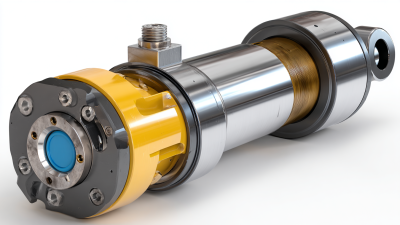
When selecting the best hydraulic cylinder for your projects, making an informed choice is essential. Hydraulic cylinders are critical components in various applications. They generate precise force and movement, making them invaluable in machinery, construction, and manufacturing. While many options exist, not all hydraulic cylinders are created equal.
You may be overwhelmed by the choices available. Each cylinder has unique specifications, designs, and functionalities. Underestimating these factors can lead to project delays or failures. It's crucial to understand the specific requirements your project demands. The right hydraulic cylinder should not only fit your equipment but also withstand the operating conditions.
Additionally, there are several brands and models on the market. Some are renowned for durability and efficiency. However, others might not meet performance expectations. Always research and compare options before making a decision. Finding the right hydraulic cylinder can elevate your projects to new heights. With careful consideration and evaluation, you can ensure a successful outcome.
Overview of Hydraulic Cylinders and Their Applications
Hydraulic cylinders are essential components in various industries, enabling powerful linear motion. They operate by converting hydraulic pressure into mechanical force, making them ideal for heavy lifting and pushing tasks. These cylinders find extensive applications in construction machinery, manufacturing equipment, and even automotive systems. Their ability to exert considerable force allows for precise control in equipment operations.
In construction, hydraulic cylinders often lift heavy loads, such as steel beams or large machinery. They play a crucial role in excavators and cranes, providing stability and strength. In manufacturing, these cylinders assist in shaping materials. They enable consistent pressure during stamping or forging processes, enhancing productivity and safety. However, maintaining these cylinders can be challenging; leaks and wear can reduce their efficiency. Regular inspection is vital to ensure reliable performance and safety.
Various factors influence the selection of hydraulic cylinders. Size, stroke length, and pressure rating are critical elements. Understanding your project's specific needs is necessary. Sometimes, the ideal choice isn't clear-cut. Experimenting with different options can reveal surprising results. This approach might lead to more effective solutions or even identify areas for improvement in design and usage.
Top 10 Best Hydraulic Cylinder Options for Your Projects
This chart shows the performance ratings of the top 10 hydraulic cylinder options suitable for various projects. Each type has been evaluated based on its efficiency and versatility in different applications.
Key Factors to Consider When Choosing Hydraulic Cylinders
Choosing the right hydraulic cylinder is crucial for the success of your projects. Key factors to consider include the cylinder's size and force capacity. Ensure the cylinder's dimensions fit your specific application. A mismatch can lead to inefficiencies or failures. Additionally, calculate the required force based on the load weight and operation type.
Another important aspect is the cylinder's stroke length. This measurement affects the distance the cylinder can extend and retract. Think about the total travel needed for your task. If the stroke is too short, it won't meet your needs.
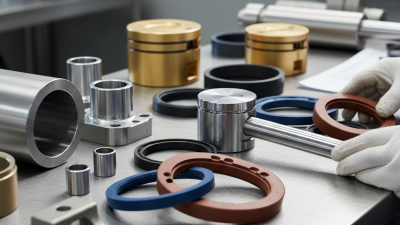
Also, consider the material and sealing options. The right choice depends on the working environment. Factors such as temperature, humidity, and exposure to chemicals play a role. Cylinders made from durable materials resist wear and corrosion better. Reflect on the conditions the cylinder will face during operation. It’s vital to balance durability and cost-effectiveness. Pay attention to these details for a successful project outcome.
Top 10 Best Hydraulic Cylinder Options for Your Projects
| Model |
Bore Size (inches) |
Stroke Length (inches) |
Pressure Rating (psi) |
Material |
Weight (lbs) |
| Model A |
3 |
12 |
3000 |
Steel |
25 |
| Model B |
4 |
18 |
2500 |
Aluminum |
20 |
| Model C |
5 |
10 |
3500 |
Cast Iron |
30 |
| Model D |
6 |
15 |
2000 |
Steel |
35 |
| Model E |
7 |
20 |
4000 |
Aluminum |
28 |
| Model F |
8 |
22 |
4500 |
Cast Iron |
40 |
| Model G |
9 |
25 |
5000 |
Aluminum |
32 |
| Model H |
10 |
30 |
5500 |
Steel |
45 |
| Model I |
11 |
35 |
6000 |
Cast Iron |
50 |
| Model J |
12 |
40 |
6500 |
Steel |
55 |
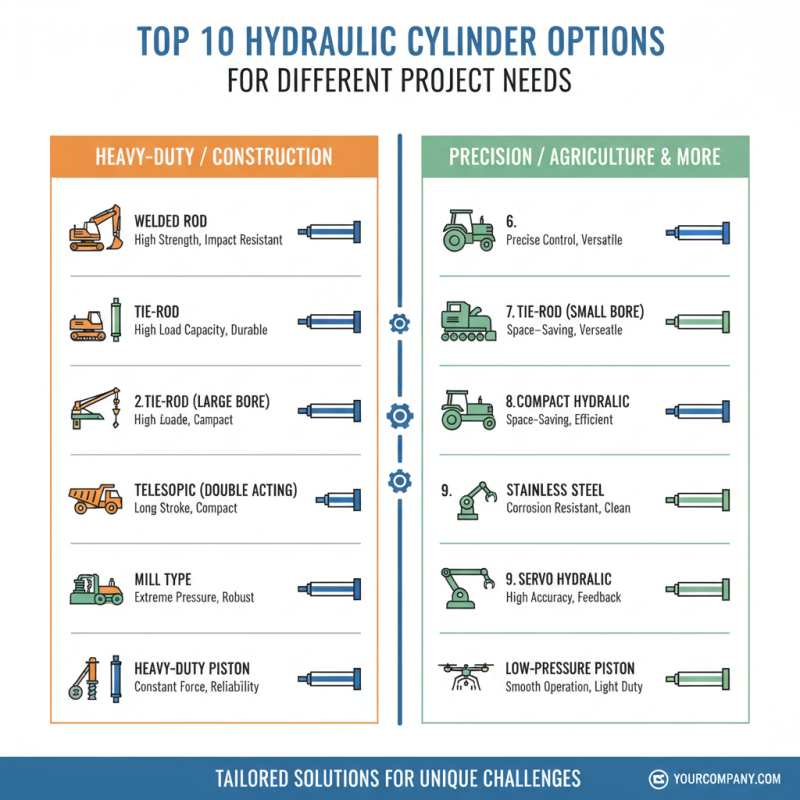
Top 10 Hydraulic Cylinder Options for Different Project Needs
When selecting hydraulic cylinders, you must consider the specific needs of your projects. Different applications require varying strengths and features. For instance, construction sites often demand robust cylinders that can endure heavy loads. In contrast, agricultural machinery may need more precise control for delicate tasks. Each project presents unique challenges that require tailored solutions.
Consider factors like stroke length and pressure rating. A longer stroke allows for higher reach, while pressure ratings determine the force the cylinder can exert. Choosing the wrong specifications can lead to failures. Moreover, ensure proper installation and maintenance to avoid complications down the line. Many users overlook routine checks, which can lead to unexpected downtime.
It's also important to evaluate the environment where the cylinder will operate. Extreme temperatures or exposure to harsh substances can affect performance. Real-world usage may reveal unexpected issues, highlighting the need for critical thinking and adaptation. Analyzing past experiences can help refine your choice. Remember, each project is a learning opportunity, shaping your approach to hydraulic systems in the future.
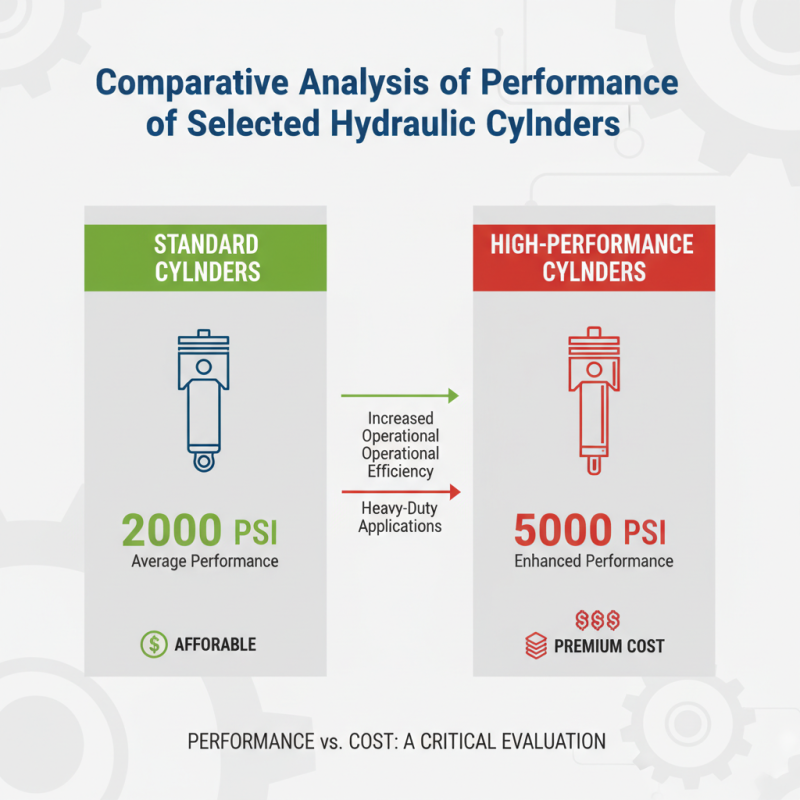
Comparative Analysis of Performance and Cost of Selected Cylinders
When selecting hydraulic cylinders, performance and cost are critical factors. A recent industry report highlights that the average performance threshold for standard hydraulic cylinders is around 2000 psi. However, high-performance models can reach up to 5000 psi, significantly improving operational efficiency in heavy-duty applications. The choice between performance and affordability often leads to compromises that must be carefully evaluated.
Cost analysis reveals that leading hydraulic cylinders typically range from $200 to $500, depending on specs. A detailed study shows that investing in a cylinder with higher pressure capabilities may result in a 20-30% reduction in cycle time. However, the initial investment can be daunting for smaller projects. Many operators often overlook the long-term savings from reduced maintenance costs associated with premium options.
Environmental factors also impact these choices. For instance, cylinders operating in extreme temperatures may require specialized materials. Industry standards suggest that 30% of failures stem from inadequate design for specific conditions. Users must weigh the upfront costs against potential downtimes and maintenance expenses. Understanding the trade-offs in cylinder selection can lead to better project outcomes and substantial savings.
Maintenance Tips to Extend the Life of Hydraulic Cylinders
Maintaining hydraulic cylinders is crucial to ensure their longevity and performance. Regular maintenance can significantly reduce the risk of failure. According to industry reports, proper maintenance can extend the lifespan of hydraulic cylinders by up to 50%. This can result in considerable cost savings for projects.
Inspect seals and fittings regularly. Wear and tear can lead to leaks, which compromise efficiency. A study found that 70% of hydraulic failures are due to seal failure. Tighten any loose fittings and replace worn seals promptly. This simple step can prevent more extensive damage and costly repairs.
Clean the cylinder surfaces frequently. Dirt and debris can cause abrasions, leading to premature wear. Use a soft cloth and suitable cleaning agents. Creating a habit of cleaning can improve performance and prevent significant issues. Remember, neglecting maintenance today could result in headaches tomorrow. Prioritizing these tasks ensures that your hydraulic cylinders operate smoothly for years.