
Hydraulic systems are essential components in various industries, facilitating the smooth operation of machinery and equipment. The efficiency and durability of these systems rely heavily on the quality of hydraulic cylinder parts, which are crucial for converting fluid power into mechanical energy. According to a recent report by MarketsandMarkets, the global hydraulic equipment market is projected to reach $51.8 billion by 2026, with a growing demand for high-performance hydraulic components.
As industries continue to innovate and evolve, understanding the prominent hydraulic cylinder parts becomes essential for maximizing productivity and ensuring safety. In this blog, we will explore the ten best hydraulic cylinder parts that every professional should be familiar with, helping you make informed decisions that enhance operational efficiency and longevity of your hydraulic systems.
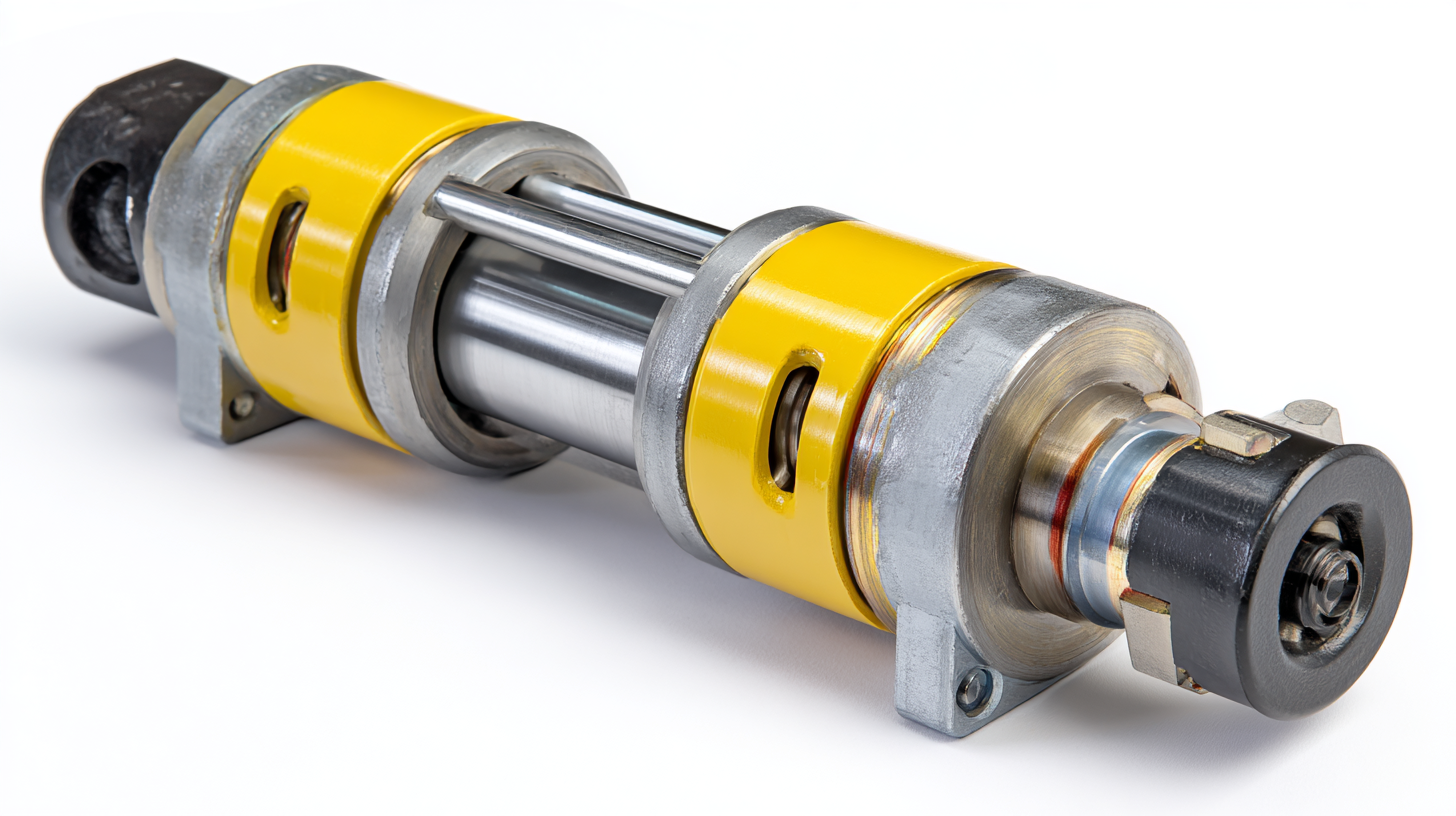
When it comes to ensuring optimal performance in hydraulic systems, understanding the essential parts of hydraulic cylinders is crucial. Hydraulic cylinders are the heart of many industrial applications, providing the necessary force and motion to operate machinery. Among the key components, the piston is one of the most significant. It creates a seal within the cylinder, allowing pressurized fluid to produce linear motion. A well-designed piston can enhance efficiency and extend the lifespan of the cylinder.
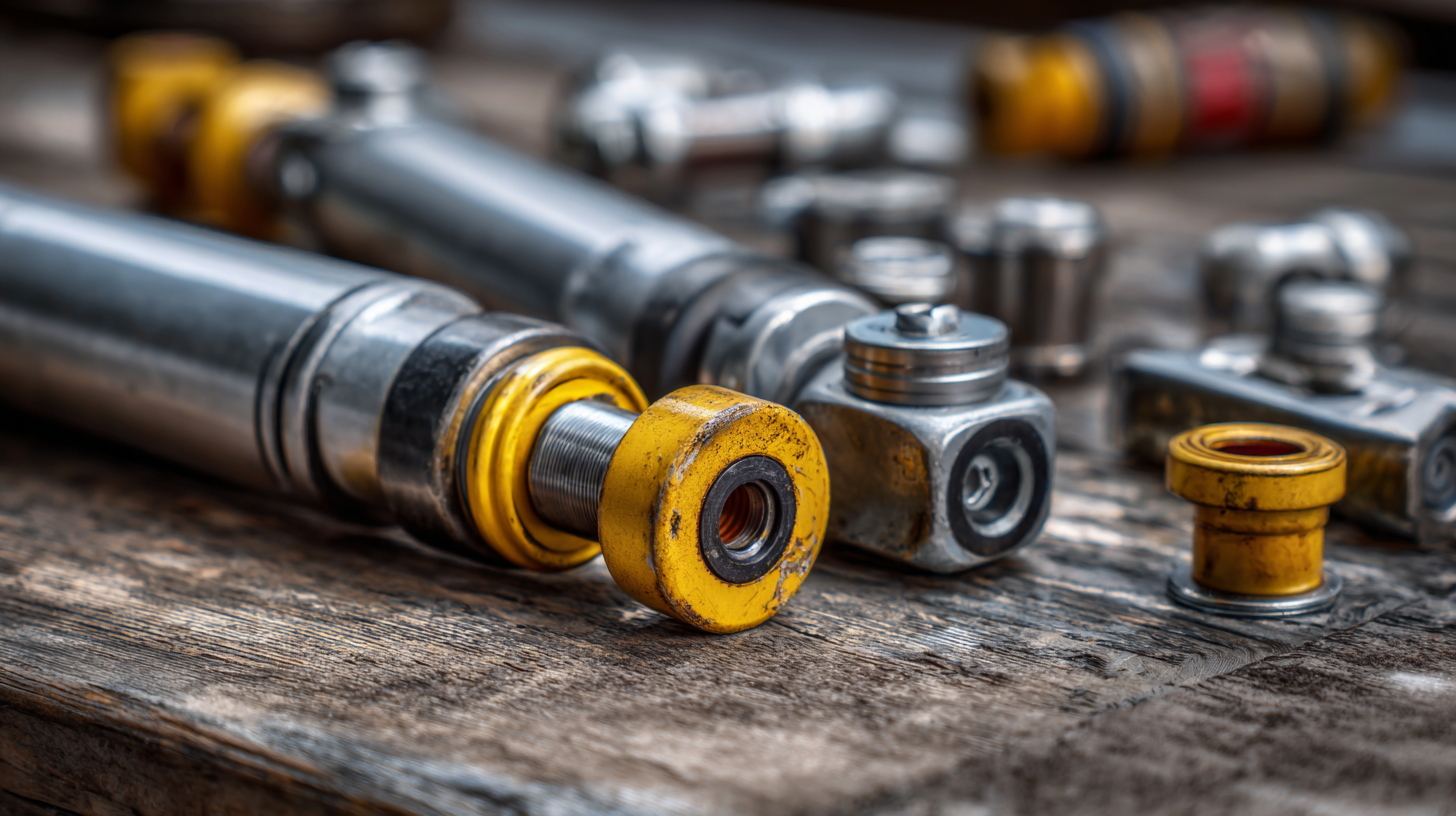
Another critical part is the cylinder barrel, which houses the piston and provides a smooth surface for operation. The quality of the barrel material affects the overall durability and performance of the hydraulic cylinder. Coupled with the cylinder end caps, these components ensure that the hydraulic fluid remains contained and system pressure is maintained. Additionally, seals and o-rings play a vital role in preventing leaks and ensuring the longevity of the hydraulic cylinder. By focusing on these essential parts, operators can maximize the effectiveness and reliability of their hydraulic systems.
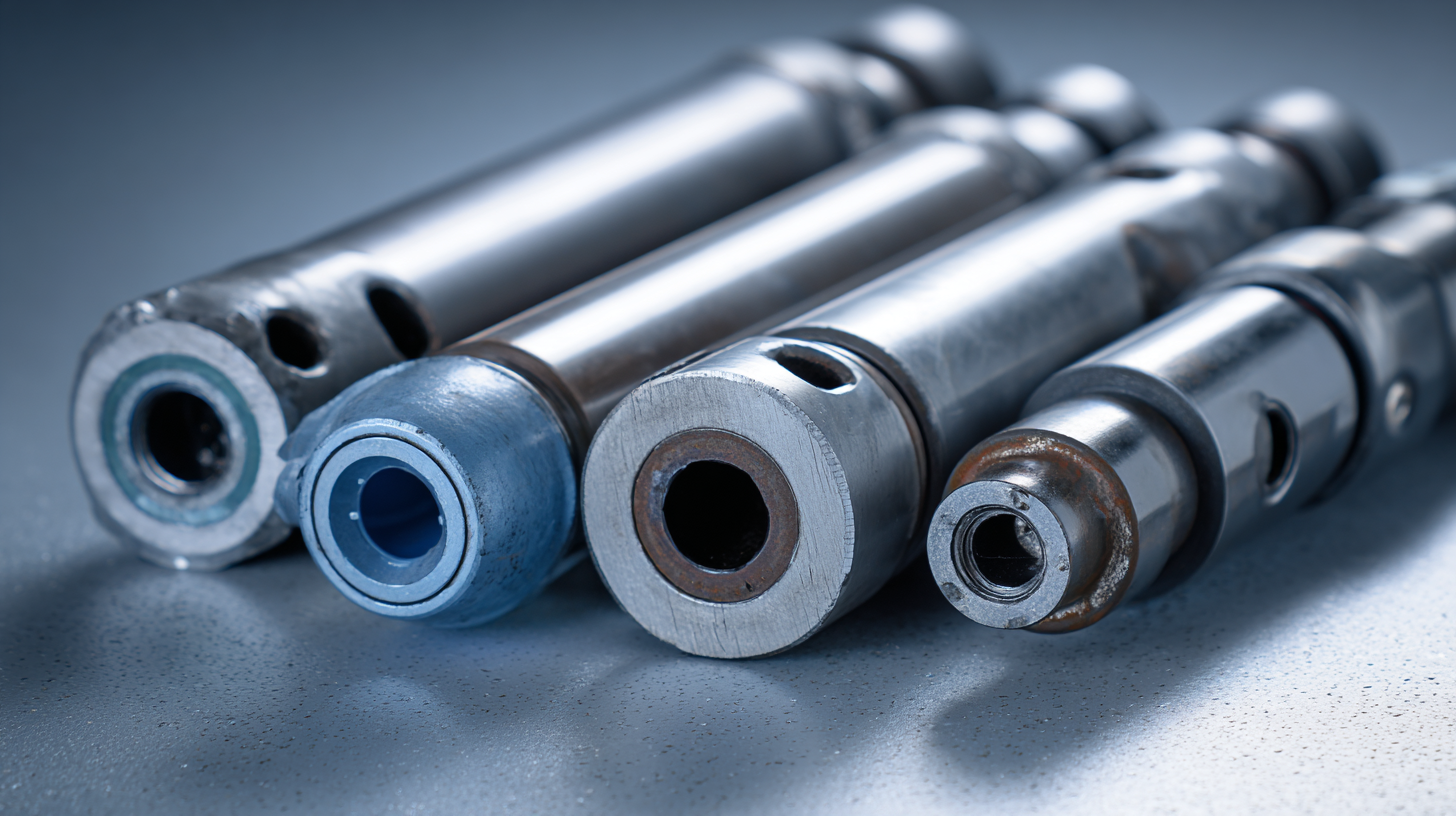
When selecting hydraulic cylinder components, certain key features are critical to ensuring reliability and performance. The strength and durability of materials used in manufacturing these parts are paramount. According to a report by the International Organization for Standardization (ISO), high-quality hydraulic components often utilize alloys with high tensile strength, such as carbon or alloy steels, to withstand extreme pressure and enhance longevity. It’s essential to check that these materials are compliant with industry standards, providing assurance of quality and safety.
Another important aspect to consider is the precision of machining and assembly. The tolerances and surface finishes of hydraulic cylinder parts directly affect their efficiency and lifespan. Research from the Fluid Power Distributors Association indicates that improper tolerances can lead to hydraulic leakage and increased wear, which ultimately reduces the overall efficiency of the hydraulic system. A well-finished component not only ensures optimal performance but can also minimize the risk of failure, thereby saving on long-term costs associated with repairs and replacements. Ensuring that these key features are prioritized when choosing hydraulic cylinder parts will lead to a more effective and reliable hydraulic system.
Hydraulic cylinders are integral components in various industries, from construction to manufacturing, providing the necessary force to move heavy loads. Understanding common hydraulic cylinder parts and their functions can optimize operations and maintenance. The five essential parts include the cylinder barrel, piston, seals, rod, and end caps, each playing a distinct role in ensuring efficiency and reliability.
The cylinder barrel houses the piston and contains hydraulic fluid, creating pressure to generate movement. According to a report by MarketsandMarkets, the global hydraulic cylinder market is expected to reach USD 12.7 billion by 2025, highlighting the importance of these components in industrial applications. The piston converts hydraulic pressure into mechanical force while the rod transmits this force to perform work. Seals are crucial for preventing fluid leaks and maintaining pressure; improper sealing can lead to a significant decrease in efficiency, potentially costing companies thousands in repairs. Finally, the end caps secure the internal components, providing structural integrity and safety in operation.
In a study by Grand View Research, it was noted that improper maintenance of hydraulic cylinders can lead to a failure rate of up to 15%, emphasizing the necessity for periodic inspections of these key parts. Understanding their functions not only aids in preventive maintenance but also enhances operational productivity across various sectors reliant on hydraulic systems.
Maintaining hydraulic cylinder parts is essential for ensuring their longevity and optimal performance. One of the foremost tips is regular inspection. Visually examining the components for signs of wear, leaks, or damage can help identify potential issues before they escalate. Pay attention to seals and pistons, as these areas are particularly prone to wear due to friction and pressure changes. Always replace any damaged parts immediately to prevent further complications.
Another important maintenance practice is to maintain proper hydraulic fluid levels and quality. Contaminated fluid can cause significant wear and tear on hydraulic parts, leading to premature failures. Regularly check and replace the hydraulic fluid according to the manufacturer’s recommendations. Additionally, keeping the hydraulic system clean by flushing it periodically will help maintain the integrity of the components. By incorporating these maintenance tips, you can significantly extend the lifespan of your hydraulic cylinder parts and enhance the overall efficiency of your hydraulic systems.
When choosing the right hydraulic cylinder parts for your application, it's essential to consider several factors that can significantly impact performance and efficiency. A recent study on the design and analysis of a motorized 40-ton constant temperature hydraulic press highlights the importance of selecting components that can maintain optimal working conditions while providing reliable strength and durability. The hydraulic cylinder's capacity, rod diameter, and seal types should be carefully matched to the load requirements and operating environment to ensure longevity and efficiency.
Moreover, contemporary advancements in hydraulic technology suggest that precise engineering and material choice play crucial roles in part selection. For instance, electric actuators are increasingly being favored over traditional hydraulic systems due to their benefits in precision, repeatability, and lower overall cost. This shift emphasizes the necessity of understanding the specific needs of your operation—such as response time and power requirements—when selecting hydraulic components. By integrating insights from industry analysis and technological developments, you can optimize your hydraulic systems for enhanced performance and reduced maintenance costs.
How can we help you?
Call to 0034 943884600 Contact usWe use cookies to ensure that we give you the best experience on our website. If you continue without changing your settings, we'll assume that you agree to receive cookies on the HINE website. For more information read our cookie policy page, click the link for more information.plugin cookies
ACEPTAR