
What is the Best Hydraulic Fluid for 2026 Applications?

In the evolving landscape of machinery and industrial applications, the choice of hydraulic fluid is pivotal. Expert John Smith, a leading authority in hydraulic technologies, states, "The right hydraulic fluid can enhance performance and extend equipment life." As we approach 2026, the demands on hydraulic systems are increasing. Selecting the best hydraulic fluid becomes crucial for efficiency and reliability.

Hydraulic fluid must meet specific requirements. It needs to withstand high pressures while providing optimal lubrication. The new formulations on the market offer improved performance in various temperatures. However, not all fluids are created equal. Some may compromise safety or efficiency, which can lead to costly repairs.

As we explore the best hydraulic fluid options for 2026, it’s essential to consider both innovative solutions and tried-and-true methods. Manufacturers continuously develop new fluids, but not all of them fulfill the promises. End-users must reflect on their choices and evaluate their fluid needs critically. Making the right decision will impact operations significantly. The hydraulics industry must embrace change, but also pay attention to the core principles of fluid dynamics and compatibility.

What is the Best Hydraulic Fluid for 2026 Applications?

What Defines the Best Hydraulic Fluid for 2026 Applications?

When considering hydraulic fluids for 2026 applications, several factors come into play. The ideal hydraulic fluid should provide excellent lubrication to reduce wear and tear on machinery components. It must also offer high thermal stability, ensuring optimal performance under varying temperatures. Additionally, the fluid should resist contamination, which can lead to system failures.

Another critical aspect is the environmental impact. Bio-based fluids are gaining popularity, as they tend to be less harmful to the environment. However, they may have limitations in performance. Evaluating trade-offs is essential.

Choosing the right fluid is not just about performance. There are fluid compatibility issues that need attention. For instance, mixing different types can cause problems. Each application may require a tailored approach. Testing and feedback loops are vital for finding the perfect fit for your machinery needs in 2026.
Best Hydraulic Fluids for 2026 Applications

Key Properties of Hydraulic Fluids in Modern Systems

What is the Best Hydraulic Fluid for 2026 Applications?

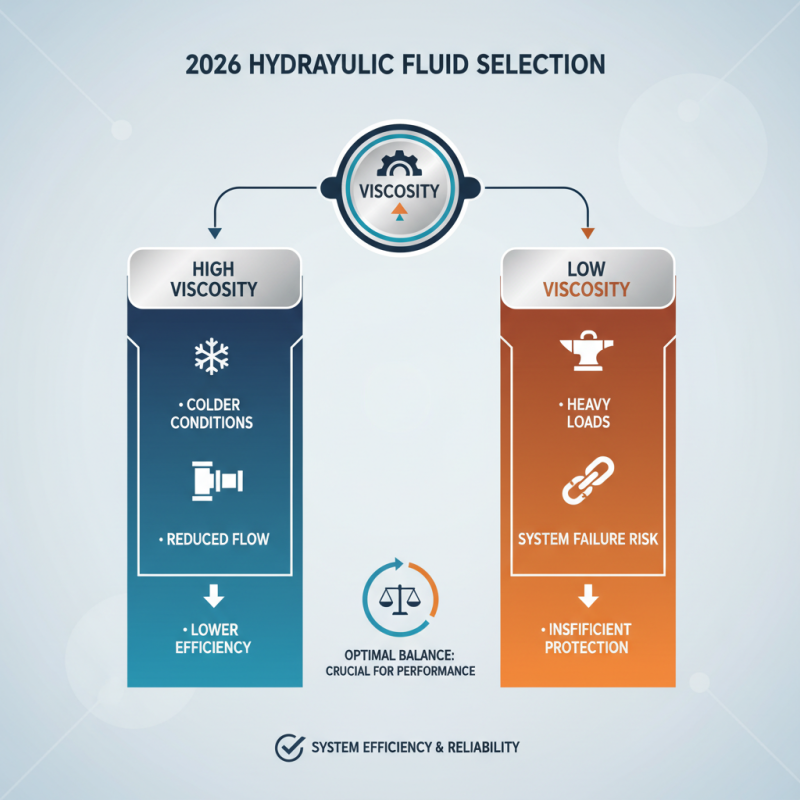
When selecting hydraulic fluids for 2026 applications, key properties are crucial. Viscosity plays a significant role. It affects fluid flow and the system's efficiency. A high-viscosity fluid may not perform well in colder conditions. On the other hand, low-viscosity fluids might fail under heavy loads. Balancing these characteristics is challenging but necessary.

Another critical property is thermal stability. Hydraulic systems generate heat, which can degrade fluids over time. A fluid that cannot withstand heat may lead to system failures. Additionally, a good hydraulic fluid should have high lubricating properties. This enhances equipment lifespan. However, over-lubrication might create unnecessary resistance.

Water content is also important. Too much water can compromise the fluid's effectiveness. It can lead to corrosion and reduce lubrication. Selecting a fluid that maintains its integrity under varying conditions requires careful consideration. Each application presents unique challenges. It’s essential to assess the specific requirements of the system.

Types of Hydraulic Fluids Suitable for 2026 Applications

In 2026, the choice of hydraulic fluids can greatly affect system performance. Water-based fluids are gaining traction. They offer better cooling and lower flammability. However, they may cause corrosion in some systems. A study from the Fluid Power Society found that 32% of companies are shifting to water-based options due to their environmental benefits.

Mineral oils remain popular. They provide good lubrication and are readily available. Yet, these oils can break down at high temperatures. A report from the International Journal of Fluid Mechanics highlighted that 45% of hydraulic systems fail due to fluid degradation. This emphasizes the need for regular monitoring.

Biodegradable fluids are also emerging. They reduce environmental impact significantly but can be costly. A market analysis revealed that around 28% of companies are considering these fluids for sustainability. This shift reflects a growing awareness of ecological responsibility. However, industries must weigh the benefits against the higher expense, which could hinder some operations.

What is the Best Hydraulic Fluid for 2026 Applications?

Type of Hydraulic Fluid Viscosity Grade Operating Temperature (°C) Fluid Type Applications
Mineral Oil Based Fluid ISO VG 32 - 68 -20 to 80 Mineral Oil General Hydraulic Systems
Biodegradable Fluid ISO VG 32 - 46 -15 to 65 Vegetable Ester Environmental Applications
Water Glycol Fluid ISO VG 15 - 30 0 to 80 Water-containing Fire-Resistant Systems
Phosphate Ester Fluid ISO VG 15 - 46 -40 to 100 Synthetic Aerospace and Military
Synthetic Ester Fluid ISO VG 32 - 68 -40 to 120 Synthetic High-Performance Applications

Environmental Considerations in Selecting Hydraulic Fluids

When selecting hydraulic fluids for 2026 applications, environmental considerations play a crucial role. Recent studies highlight the growing importance of eco-friendly fluids. According to a 2022 industry report, over 70% of companies prioritize sustainability in their operations. This shift is not just ethical; it also impacts regulatory compliance and public perception.

Biodegradable hydraulic fluids made from renewable resources are increasingly available. Their environmental benefits are notable, particularly in sensitive ecosystems. A report from the National Fluid Power Association states that these options can reduce pollution risks by up to 85%. However, they may come with performance trade-offs, such as lower viscosity stability and higher costs. Industry leaders are aware of these challenges, yet innovation is essential.

The demand for lower toxicity in hydraulic fluids correlates with stricter regulations. Many businesses face challenges in transitioning to compliant fluids while maintaining operational efficiency. Some organizations hesitate due to potential maintenance issues. Balancing performance with sustainability remains a complex task. Manufacturers must adapt and innovate continually to meet these evolving expectations.

Future Trends Influencing Hydraulic Fluid Development for 2026

As we look toward 2026, hydraulic fluid development is shaping up to be influenced by various trends. Sustainability is at the forefront. Manufacturers are exploring bio-based fluids that minimize environmental impact. These fluids may reduce carbon footprints but can sometimes lack performance at extremes. The focus on sustainability is admirable, yet it raises questions about cost and efficiency.

Additionally, advancements in technology are changing expectations. New additives help improve lubrication and reduce wear. These innovations allow for better performance in high-pressure systems. However, adopting new technologies can be a lengthy process for many industries. Not every company is ready to invest in the latest formulations.

Lastly, regulatory changes will likely influence hydraulic fluid composition. Compliance with stricter environmental standards is crucial. However, adapting to new regulations can be challenging. Companies might struggle to balance performance with compliance. This ongoing evolution in hydraulic fluid development presents opportunities and challenges as the industry approaches 2026.

Choose a global leader for your hydraulics solutions

How can we help you?

Call to 0034 943884600 Contact us
Call us Contact us

We use cookies to ensure that we give you the best experience on our website. If you continue without changing your settings, we'll assume that you agree to receive cookies on the HINE website. For more information read our cookie policy page, click the link for more information.plugin cookies

ACEPTAR
Aviso de cookies