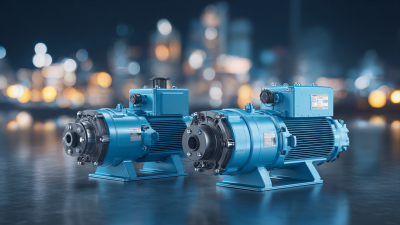

As industries continue to evolve, the demand for efficient hydraulic pumps and motors is surging. According to a report by MarketsandMarkets, the hydraulic pumps market is projected to reach $11.5 billion by 2027, driven by rapid advancements in technology. This growth reflects the essential role hydraulic systems play in sectors such as construction, manufacturing, and agriculture.
Despite this growth, choosing the right hydraulic pumps and motors can be daunting. Many products boast impressive specifications, but actual performance can differ. Understanding product capabilities is crucial for buyers seeking reliability and efficiency. Factors such as energy consumption, maintenance needs, and system compatibility must be carefully assessed.
It's not just about price; quality and reliability are paramount. Industry experts emphasize the importance of selecting reputable brands to ensure longevity and performance. The landscape of hydraulic technologies is complex, and navigating it requires expertise. Balancing cost, performance, and reliability can be challenging, but making informed choices is essential for successful operations.
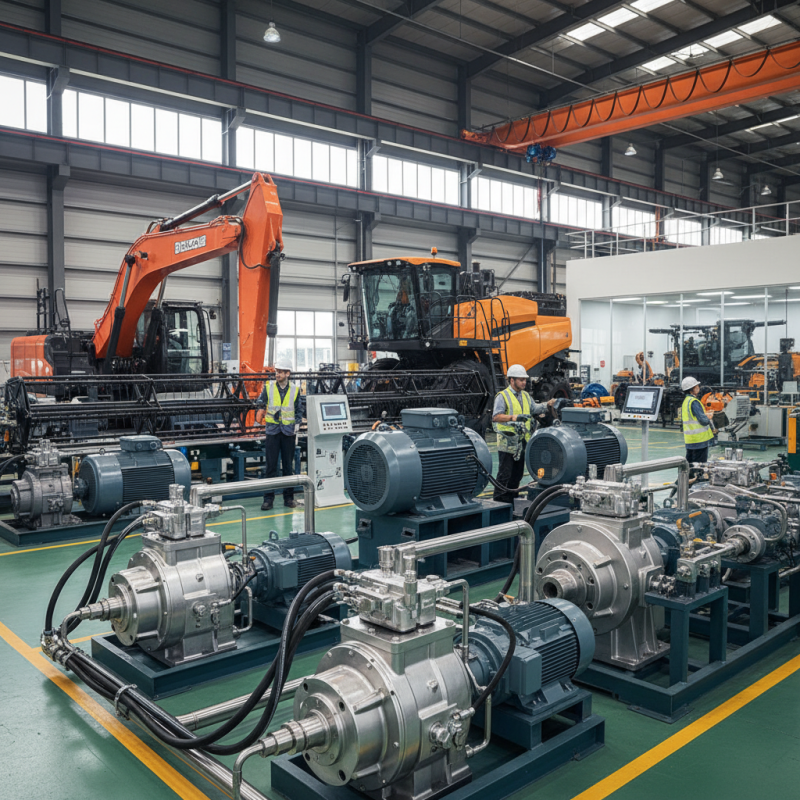
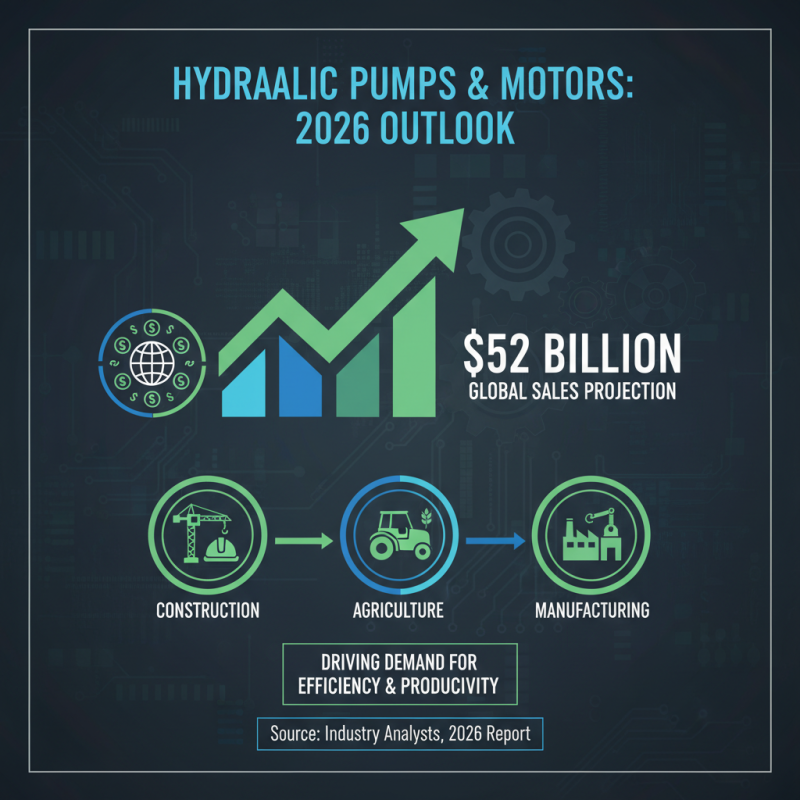
In 2026, the hydraulic pump and motor industry continues to evolve rapidly. This year, global sales have been projected to reach approximately $52 billion, according to industry analysts. The surge in demand is driven by sectors such as construction, agriculture, and manufacturing. These industries increasingly rely on hydraulic systems to enhance efficiency and productivity.
Trends indicate a growing preference for electric hydraulic motors. They offer benefits like reduced emissions and lower operational costs. However, the initial investment remains high. Some companies face challenges in adapting older systems to incorporate new technologies. The necessity for advanced hydraulic solutions cannot be overstated. While traditional pumps still dominate, innovations in energy efficiency are vital for future competitiveness.
Sustainability is also a critical factor. Organizations are pressured to meet stringent environmental regulations. This has triggered investments in eco-friendly hydraulic designs. Yet, many manufacturers grapple with balancing cost and sustainability. Data reveals that only 30% of firms have fully embraced these green practices. As the industry progresses, reflecting on these challenges will be essential for long-term success.
When selecting hydraulic pumps and motors, key features demand careful consideration. One prominent factor is the flow rate, which directly affects performance. A higher flow rate can lead to quicker operation. However, it may also increase energy consumption. Assessing the right balance for your application is crucial.
Compatibility with existing systems is another essential concern. Ensure that the hydraulic equipment you choose integrates well with your current machinery. Mismatched components can lead to inefficiencies and increased maintenance costs. It is vital to evaluate the specifications thoroughly before making a purchase.
Durability is equally significant in hydraulic equipment. Look for materials that withstand high pressure and harsh conditions. They must resist wear over time. Though durable items might have a higher upfront cost, they potentially save money in the long run through reduced replacement frequency. Take your time to review all options and weigh their pros and cons accordingly.
The hydraulic market has seen significant advancements, driven by technological innovations and the need for efficiency. Top manufacturers focus on delivering reliable performance and durability in their products. Many companies invest heavily in research and development. This enhances their product lines and maintains competitive edges.
When looking for hydraulic pumps and motors, buyers emphasize reliability and serviceability. Quality is paramount. Manufacturers often need to balance cost and performance. Some fail to meet expectations due to poor design choices. Others excel by using high-grade materials and advanced engineering practices.
Industry experts suggest that buyers research thoroughly before purchasing. Understanding product specifications can prevent costly mistakes. Maintenance practices also play a crucial role in product longevity. Some users may neglect regular checks, leading to premature failures. A proactive approach ensures that hydraulic systems function effectively over time. Investing in education about these systems can result in better operational outcomes.
Hydraulic pumps and motors play a crucial role in various industries. They convert hydraulic energy into mechanical power, enabling efficient movement and operation of machinery. Commonly found in construction, agriculture, and manufacturing, their applications are vast and varied. Heavy equipment like excavators relies heavily on hydraulic systems. These machines can lift, push, and dig with impressive force.
In agricultural settings, hydraulic systems help in planting, watering, and harvesting crops. They enhance productivity by providing power to tractors and other farming equipment. In manufacturing, hydraulic pumps and motors are vital in assembly lines. They enable precise control of robotic arms and conveyor belts, improving efficiency and safety.
Tips: When selecting hydraulic pumps or motors, consider compatibility with your machinery. Assess the required pressure and flow rates to avoid potential failures. Regular maintenance checks can help identify issues before they escalate. Always pay attention to the operating environment, as extreme conditions can impact performance.
The versatility of hydraulic pumps and motors often reveals challenges too. They may require frequent calibration to maintain efficiency. Misalignment could lead to malfunctions. Identifying these issues and addressing them proactively can significantly enhance operational flow.
The future of hydraulic technology is filled with exciting trends and innovations. As industries evolve, so do their hydraulic needs. Expect advancements in energy efficiency. Manufacturers are focusing on reducing energy consumption. This approach helps companies save costs while being environmentally responsible.
Another key trend is the integration of smart technology. Sensors and IoT capabilities are becoming standard in hydraulic systems. These features allow for real-time monitoring. They can enhance system performance and prevent failures. Users can gain valuable insights into their operations. This data-driven approach is crucial for optimizing performance.
However, challenges remain. Many companies struggle to adapt to these innovations. The initial investment can be daunting, especially for smaller firms. There's a need for training and knowledge sharing. The gap between available technology and user expertise can hinder progress. Ongoing support and education are essential for a smooth transition.
How can we help you?
Call to 0034 943884600 Contact usWe use cookies to ensure that we give you the best experience on our website. If you continue without changing your settings, we'll assume that you agree to receive cookies on the HINE website. For more information read our cookie policy page, click the link for more information.plugin cookies
ACEPTAR