
Best Hydraulic Pumps for Global Buyers in 2026?

As we look towards 2026, the market for hydraulic pumps is poised for significant evolution. Industry expert Dr. Emily Carter, a renowned authority in fluid dynamics, emphasizes, “The efficiency of hydraulic pumps will redefine industrial standards in the coming years.” This outlook is vital for global buyers seeking innovation and reliability.

Hydraulic pumps play a crucial role in many sectors, including manufacturing and construction. Their effectiveness directly impacts productivity and operational costs. Buyers are increasingly focused on not just performance but also sustainability. Emerging technologies promise to enhance power efficiency while reducing environmental footprints.

However, challenges remain. With many products flooding the market, distinguishing quality from mediocrity can be daunting. Increased competition often leads to compromises in durability. It’s important for buyers to critically assess their options. Investing in superior hydraulic pump technology can lead to long-term gains, but it requires careful consideration.
Best Hydraulic Pumps for Global Buyers in 2026?

Overview of Hydraulic Pumps and Their Applications in 2026

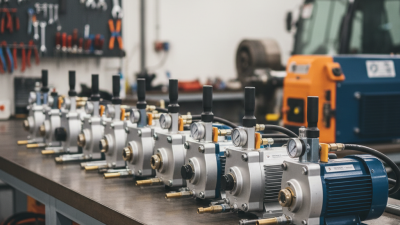
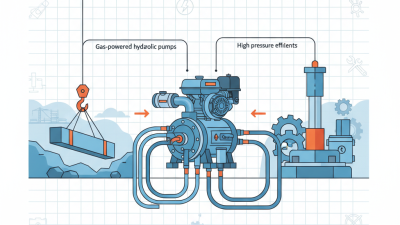
Hydraulic pumps are essential devices in various industries, including construction, manufacturing, and agriculture. They convert mechanical energy into hydraulic energy. This process enables the movement of fluids, powering equipment and heavy machinery. In 2026, these pumps will continue to play a vital role in global operations. Their application ranges from powering excavators to enabling precise control in robotic systems.

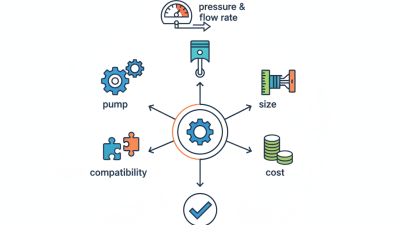
Tips for selecting hydraulic pumps include understanding your specific application needs. Consider the pressure range and flow rates required for your tasks. Additionally, the pump's size and compatibility with existing systems are crucial. Regular maintenance is another aspect often overlooked. It ensures reliability and prolongs the life of the pump.

Despite their benefits, hydraulic pumps can pose challenges. Leakage and maintenance costs can become significant if not managed properly. Users may also struggle to choose the most efficient type for their needs. This assessment requires a careful review of industry trends and technological advances. Staying informed will enable buyers to make better decisions.

Key Factors Influencing Hydraulic Pump Selection for Global Buyers

When selecting hydraulic pumps, buyers must consider several key factors. One vital aspect is the application environment. Different industries demand pumps that can operate under specific temperature and pressure conditions. Recognizing the operational demands is essential for ensuring reliability and efficiency.

Another important consideration is the pump's capacity and flow rate. Buyers should assess the system's requirements to avoid underperformance or excessive energy consumption. Evaluating the compatibility with existing hydraulic systems also plays a crucial role. This analysis helps in preventing operational disruptions and enhances performance longevity.

Additionally, maintenance needs should not be overlooked. Some pumps require more frequent servicing than others. Buyers must weigh the trade-offs between performance and upkeep. The balance between initial costs and long-term reliability can prove challenging. Ultimately, the right hydraulic pump choice hinges on a comprehensive understanding of these factors.

Top Brands and Models of Hydraulic Pumps to Consider in 2026

In the fast-evolving hydraulic pump market, 2026 is set to be a pivotal year. Market analysis suggests that global demand will increase by approximately 5% annually. The growth is driven by construction and manufacturing sectors. Yet, several challenges remain, including fluctuating raw material prices and environmental regulations.

When selecting a hydraulic pump, consider efficiency and performance. Data shows that variable displacement pumps may yield 15% more efficiency than fixed pumps. This is crucial for industries seeking cost-effective solutions. Additionally, ease of maintenance and compatibility with existing systems are often overlooked. Choosing the right model requires a balance between innovation and reliability.

The importance of brand reputation is also substantial. Reports indicate that customers prioritize manufacturers with proven track records. However, even reputable brands face scrutiny over responses to quality control issues. This highlights the need for potential buyers to conduct thorough research. Engaging with user reviews and industry feedback can provide deeper insights, revealing both strengths and weaknesses in various products.

Emerging Technologies in Hydraulic Pump Design and Performance

As the hydraulic pump industry evolves, emerging technologies are reshaping design and performance standards. Innovations such as smart sensors and IoT connectivity are crucial. According to a recent market report, the integration of these technologies can enhance operational efficiency by up to 25%. This advancement enables real-time monitoring and predictive maintenance, reducing unplanned downtime.


Incorporating advanced materials is another area of focus. They promise lighter, stronger pump components that withstand higher pressures. Research indicates that the use of composites can reduce weight by 30%. However, challenges in manufacturing and material costs must be addressed. Market forecasts suggest that this segment will see growth, but stakeholders must remain vigilant about balancing performance with economic viability.


Energy efficiency is also a significant consideration. Hydraulic pumps consume considerable energy, and improving efficiency can lead to substantial cost savings. Studies show that the implementation of variable displacement pumps can decrease energy usage by 40%. Nevertheless, this transition requires thorough assessment and expertise in optimizing systems, ensuring that the benefits outbalance initial challenges.

Guidelines for Maintenance and Optimization of Hydraulic Pumps

Hydraulic pumps are vital in various industries. Proper maintenance ensures their longevity and efficiency. Regular inspections should be conducted to identify leaks or unusual noises. Checking fluid levels is essential to avoid overheating. Remember to tighten any loose fittings. These small actions can prevent major failures.

Using the right hydraulic fluid can enhance performance. Each system requires specific fluids. Conduct regular fluid analysis to maintain optimal conditions. Replace contaminated fluids without delay; this can prevent costly downtime.

Training staff on proper usage is crucial. Even small errors can lead to significant damage. An onsite evaluation of the pump can help spot potential issues early. Create a maintenance log for each pump. This ensures transparency and accountability. Small details make a big difference in hydraulic pump performance.

Choose a global leader for your hydraulics solutions

How can we help you?

Call to 0034 943884600 Contact us
Call us Contact us

We use cookies to ensure that we give you the best experience on our website. If you continue without changing your settings, we'll assume that you agree to receive cookies on the HINE website. For more information read our cookie policy page, click the link for more information.plugin cookies

ACEPTAR
Aviso de cookies