

As global consumers search for the best LCD TVs in 2026, industry data reveals evolving trends. According to recent studies, the LCD TV market is projected to reach $104 billion by 2026, growing at a 6% CAGR. This growth highlights consumer demand for enhanced picture quality, affordability, and innovative features.
The latest LCD TV models now offer ultra-high-definition resolution and smart technology integration. Brands are competing aggressively to capture market share. However, not all brands provide the same reliability or performance, leading to consumer confusion. While price plays a significant role, understanding the technology behind LCD TVs is equally crucial.
Despite advancements, buyers must consider the long-term value of their investment. Many consumers have experienced issues with color accuracy and viewing angles in lower-end models. This raises an important question: Are consumers settling for less while overlooking the importance of quality? In a world filled with options, informed choices can lead to better satisfaction. It's essential to weigh both expert reviews and personal preferences when selecting the ideal LCD TV.
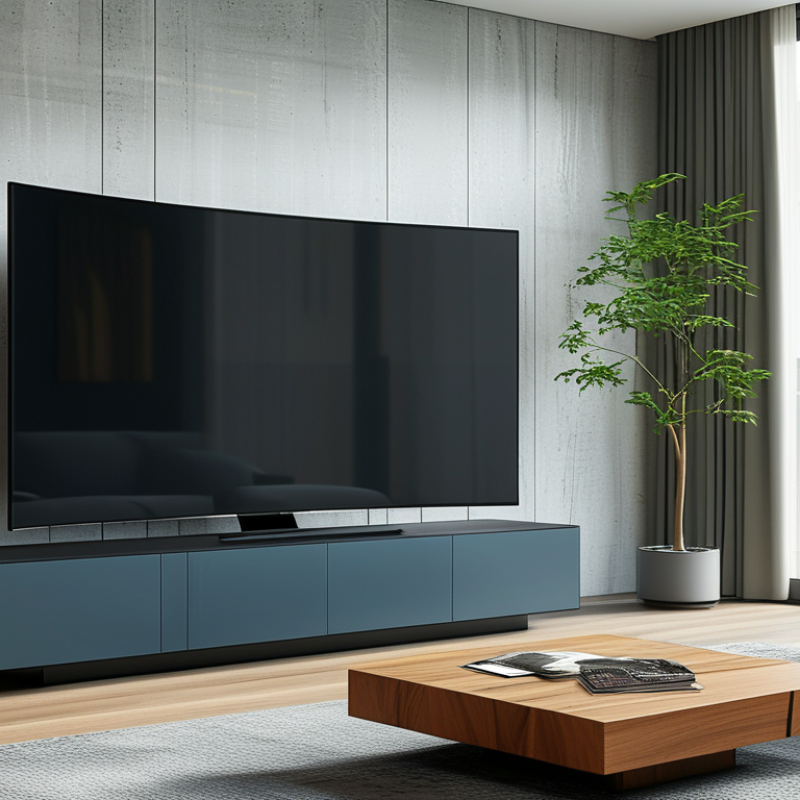
The evolution of LCD TV technology has transformed home entertainment. By 2026, advancements will likely include higher refresh rates and enhanced contrast ratios. Research from industry experts predicts that 80% of households will adopt 4K LCD TVs by then. This shift reflects consumer demand for better viewing experiences.
Manufacturers are focusing on improving panel technology. Innovations in Quantum Dot technology enhance color accuracy. Current reports indicate that these panels can produce 90% of the DCI-P3 color space, offering vibrant visuals. However, challenges persist in energy consumption. As display technology evolves, achieving both performance and energy efficiency remains a key concern.
Lastly, the integration of smart features into LCD TVs continues to grow. Users expect seamless streaming and connectivity with various devices. However, reports show that software compatibility issues are often overlooked. Many consumers face difficulties when trying to connect their Smart Tvs to different platforms. This inconsistency highlights the need for improved user experience in future models.
| Model | Screen Size | Resolution | Refresh Rate | Smart Features | Average Price (USD) |
|---|---|---|---|---|---|
| Model A | 55 inches | 4K UHD | 120 Hz | Netflix, Amazon Prime, Hulu | $699 |
| Model B | 65 inches | 4K UHD | 60 Hz | YouTube, Disney+ | $899 |
| Model C | 50 inches | Full HD | 120 Hz | Smart TV, Voice Control | $499 |
| Model D | 75 inches | 4K UHD | 240 Hz | Multi-platform support | $1499 |
| Model E | 32 inches | HD Ready | 60 Hz | Basic Smart Features | $299 |
When purchasing an LCD TV in 2026, it's critical to consider multiple key features. One of the most significant aspects is display resolution. Current data suggests that 4K resolution is now standard. Nearly 80% of buyers prioritize this feature for better clarity and detail. Additionally, newer models with 8K resolution are becoming more available, although they come with a premium price tag.
Another critical consideration is HDR (High Dynamic Range) capability. HDR enhances the color contrast and brightness of the picture. Reports indicate that 75% of consumers report improved viewing experiences when using HDR-enabled TVs. Alongside HDR, look for panel type, as IPS panels generally serve better viewing angles than VA panels, although VA panels may offer deeper blacks.
Smart TV functionality is increasingly important too. Features like voice control and app integration have become common expectations. Approximately 68% of buyers prefer models with advanced smart capabilities. However, the software can sometimes lag behind hardware improvements. Furthermore, users often find they need to regularly update their devices for optimal performance. Overall, understanding these features will guide buyers in making informed decisions.
In 2026, consumers are increasingly drawn to 4K and 8K LCD TVs. These advanced technologies offer stunning visuals and vibrant colors. More buyers seek immersive experiences at home. As a result, the market is evolving rapidly.
The sharpness of 4K displays revolutionizes how viewers engage with content. Every scene gains clarity, allowing for more details to emerge. On the other hand, 8K provides an unprecedented level of resolution, making images almost lifelike. However, not all content can fully utilize this potential. Streaming services and broadcasts may lag behind, creating a gap between technology and content availability.
Shoppers also face challenges in choosing the right model. Specifications can be overwhelming, and not all brands provide clear information. Even enthusiasts may feel confused by features and jargon. Understanding real-world performance is essential. It helps consumers make informed decisions and avoid disappointment. The surge in popularity for these higher resolutions shows a market shift but also highlights the need for better education and transparency in the industry.
The LCD TV market in 2026 is shaping up to be quite competitive. Various brands are vying for consumer attention, leading to a diverse range of options. Market share is crucial for determining which brands will dominate and which ones may struggle. Some brands are expected to capture substantial segments due to their innovative technologies and impressive features.
Tip: Research different brands online. Look for consumer reviews and expert opinions. Understanding market share can guide your buying decisions. Don't rely solely on flashy advertisements.
Colors and brightness levels remain critical factors for buyers. Some brands have made significant advancements in enhancing picture quality. However, some lesser-known brands may offer surprisingly good options at lower prices. Yet, they often lack brand trustworthiness. This can make decision-making tricky.
Tip: Compare specifications across models. Pay attention to warranty details and customer service ratings. These elements are just as vital as picture quality. Investing in a well-reviewed model can sometimes head off post-purchase regrets.
In the ever-evolving world of LCD TVs, consumer preferences in 2026 show a fascinating trend: price versus performance. Many buyers are faced with a tough decision. High-performance models offer stunning picture quality but come with a hefty price tag. Conversely, budget-friendly options often compromise on features. This dilemma creates a diverse spectrum of choices for global buyers.
Research indicates that while consumers desire superior visuals, they are also cost-conscious. Many are willing to make sacrifices in specific areas for overall value. For instance, features like smart connectivity and enhanced audio often become less critical. Instead, they focus on display quality and durability. However, not all consumers are aware of what truly enhances viewing experience. Some might overlook the impact of color accuracy or refresh rates in cheaper models.
In this competitive market, it’s crucial to balance expectations with budget constraints. A lower price doesn’t always mean a poor investment. Just as often, higher prices don’t guarantee quality. Consumers should reflect on their viewing habits. Are they gamers needing high refresh rates? Or casual watchers focused on streaming? By carefully evaluating these factors, buyers can make better choices.
How can we help you?
Call to 0034 943884600 Contact usWe use cookies to ensure that we give you the best experience on our website. If you continue without changing your settings, we'll assume that you agree to receive cookies on the HINE website. For more information read our cookie policy page, click the link for more information.plugin cookies
ACEPTAR