

What Is the Best Long Range RFID Reader from China?

Choosing the best Long Range Rfid reader from China requires more than comparing price, antenna ports, or advertised reading distance. The real test begins beside a warehouse dock, where metal racks, moving pallets, liquid products, and human traffic can weaken performance. The word “best” is imperfect. A reader that performs well in a clean test area may struggle in a crowded distribution center.

Industry data shows why this decision matters. Grand View Research estimates that the global RFID market will continue expanding strongly through 2030, supported by retail, logistics, healthcare, and manufacturing adoption. The RAIN Alliance also reports continued growth in RAIN RFID deployments and tag volumes, reflecting wider use of UHF systems based on EPC Gen2v2 standards. These figures indicate demand, but they do not prove that every Chinese reader is suitable for every project. Installation quality still matters.

Mark Roberti, founder of RFID Journal, has stated, “RFID is not a technology problem; it is a business process problem.” His point remains practical. A reliable long-range reader should deliver stable tag capture, configurable power, accurate filtering, strong software integration, and compliance with regional radio requirements. Buyers should examine sensitivity, read-rate results, SDK quality, IP protection, warranty support, and test evidence from similar sites. Some product pages promise impressive ranges. Those claims need context. Tag orientation, antenna gain, reader power, and environmental interference can change results quickly. This guide compares leading Chinese options through measurable performance, application fit, and total ownership cost, while acknowledging one uncomfortable truth: laboratory distance is rarely the same as dependable field performance.
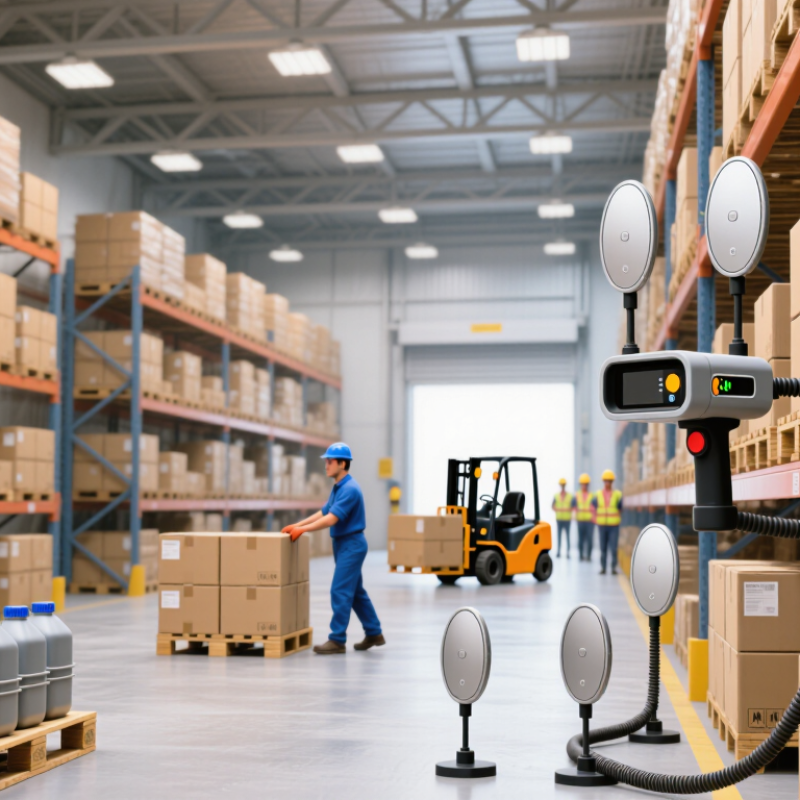
What Is the Best Long Range RFID Reader from China?

Understanding Long-Range RFID Readers and Their Core Functions

What Is the Best Long Range RFID Reader from China?

A long-range RFID reader is more than a device with a powerful transmitter. It combines radio frequency control, antenna design, tag sensitivity, and software logic. In practical installations, reading distance depends on tag orientation, metal surfaces, liquid products, and surrounding interference. Distance is conditional.

Core functions include tag detection, data decoding, filtering, memory handling, and communication with management software. Common interfaces include Ethernet, serial communication, and industrial input or output ports. A reliable reader should also support adjustable power, repeated scanning control, and event reporting. These functions help reduce duplicate reads at warehouse doors or loading areas.

When evaluating equipment from China, request clear specifications, sample test records, and traceable quality procedures. Check the stated frequency range, supported protocols, antenna connectors, operating temperature, and enclosure protection. Ask for testing with your actual tags, not only laboratory samples. That matters.

A field test should place tags at different heights and angles. Include metal bins, moving carts, and nearby readers. Even a strong unit may perform poorly after installation. I once underestimated cable loss during a system review, and the measured range fell sharply. That mistake reinforced a useful lesson: the reader, antenna, cable, tag, and software must be judged as one system. The best choice is therefore the most stable match for a specific environment, not the model with the largest advertised distance.

Key Factors for Evaluating RFID Readers Made in China

What Is the Best Long Range RFID Reader from China?

Key Factors for Evaluating RFID Readers Made in China

Choosing a long-range RFID reader from China requires more than checking its advertised reading distance. In field tests, metal racks, liquid containers, cable layout, and tag orientation often reduce performance sharply. A reliable evaluation should record read rate, missed reads, antenna configuration, and performance at different speeds. Test the reader in your actual warehouse, not only in an open laboratory.

The RAIN Alliance 2024 industry report recorded about 44.8 billion passive UHF tags shipped globally in 2023. MarketsandMarkets’ 2024 RFID report projects the global RFID market to reach approximately 31.5 billion dollars by 2028. This growth increases product choice, but market growth does not guarantee engineering quality. Look for support for recognized UHF air-interface standards, stable sensitivity, adjustable power, clear SDK documentation, and regional radio compliance. IP rating, thermal testing, connector strength, and firmware update procedures also matter.

Ask the supplier for measured results, not promotional distance claims. A reader claiming 30 meters may achieve far less with dense cartons or poor tags. Request sample units and test them for several weeks. Check event filtering, duplicate-read control, network recovery, and integration with your software. One weakness remains common: documentation can be incomplete. That deserves careful review. A lower-cost reader may still be suitable, but only after transparent testing, traceable specifications, and responsive technical support.

What Is the Best Long-Range RFID Reader from China?

Key factors for evaluating RFID readers made in China

The chart presents a practical procurement weighting model for long-range UHF RFID readers. RF performance includes reading distance, tag sensitivity, and performance in challenging environments. Standards compatibility, interference management, integration options, environmental protection, and long-term support should also be verified through real-site testing and supplier documentation.

Comparing Frequency Bands, Reading Distance, and Tag Compatibility

What Is the Best Long Range RFID Reader from China?

Choosing a long-range RFID reader from China starts with frequency, not advertised distance. LF readers around 125–134.2 kHz work well near water and certain animals, but their range is usually short. HF at 13.56 MHz supports common smart-card applications and reliable close-range identification. UHF, commonly within regional 860–960 MHz allocations, usually provides the longest practical distance. It can read tagged boxes several meters away with suitable antennas. However, liquid, metal shelving, and tag direction can reduce performance sharply. Regional frequency requirements must be checked before purchase.

Tag compatibility matters as much as power. Confirm the reader supports the tag’s air-interface standard, memory structure, encoding method, and communication protocol. A UHF reader cannot automatically read every UHF tag. Small adhesive tags may perform poorly on steel containers, while specialized on-metal tags often work better. In warehouse testing, the first range estimate is often too optimistic. A clear aisle may produce six meters, while a crowded shelf may produce less than two. That difference deserves careful testing.

Tips: Test several tag types on the real materials. Record distance, antenna angle, package density, and missed reads. Ask for regional frequency settings and documented test conditions. Also check software interfaces, enclosure protection, and temperature limits. A lower-power reader with a well-matched antenna can outperform a stronger unit with poor installation. Perfect results are uncommon; repeated field trials reveal the practical choice.

What Is the Best Long Range RFID Reader from China? - Comparing Frequency Bands, Reading Distance, and Tag Compatibility
Frequency Band Common Standards Typical Reading Distance Tag Compatibility Multi-Tag Performance Main Advantages Key Limitations Best Long-Range Applications
LF
125–134.2 kHz
ISO 11784/11785
Proprietary 125 kHz formats
Approximately 2–15 cm with passive tags Low-frequency animal identification tags, access-control key fobs, industrial identification tags Limited; generally designed for one tag at a time Reliable near metal, liquids, dirt, and other challenging materials; relatively low sensitivity to tag orientation Very short range; low data rate; limited memory and relatively large antenna requirements Animal tracking, vehicle immobilizers, and short-range access control
HF
13.56 MHz
ISO/IEC 14443
ISO/IEC 15693
NFC-related standards
Approximately 2–10 cm for many 14443 tags; up to about 1 m for selected 15693 systems Contactless cards, NFC tags, library tags, tickets, smart labels, and high-frequency industrial tags Low to moderate, depending on the standard and reader design Strong global standardization; good data security options; suitable for close-range item verification Not intended for long-distance inventory; performance decreases near conductive materials and liquids Secure access cards, payment-related systems, smart posters, and short-range asset identification
UHF
860–960 MHz
EPC Class 1 Gen 2
ISO/IEC 18000-63
EPC Gen2v2
Typically 3–12 m with passive tags; selected systems may reach approximately 15 m or more under favorable conditions RAIN RFID labels, pallet tags, hang tags, windshield tags, rugged asset tags, and on-metal UHF tags High; designed for rapid identification of many tags in the reader field Best passive-RFID option for long-distance reading, fast inventory, and large tag populations Performance is affected by liquids, metal, tag orientation, antenna polarization, regional regulations, and reader installation Warehouses, logistics, retail inventory, manufacturing lines, vehicle tracking, and access gates
Microwave
2.45 GHz
ISO/IEC 18000-4
Active or semi-active proprietary systems
Approximately 10–100 m or more with active tags; passive range is generally much shorter Active asset tags, vehicle identification tags, industrial sensors, and specialized tracking tags High with suitable anti-collision software and system design Potentially long range; supports higher data rates and sensor-oriented applications Active tags require batteries; greater sensitivity to obstructions and radio interference; less universal tag availability High-value asset tracking, vehicle telemetry, industrial monitoring, and specialized location systems
UHF Regional Variant
China: commonly 920–925 MHz
Regional implementations of EPC Class 1 Gen 2 / ISO/IEC 18000-63 Typically 3–12 m with passive tags, subject to antenna gain, transmit power, tag type, and local regulations Passive UHF tags configured for the same regional frequency range and protocol High when the reader supports dense-reader operation and standard anti-collision features Well suited to deployments in China when the reader, antennas, and tags are configured for local spectrum requirements Readers intended for other regions may not provide the correct frequency coverage or legal transmit settings Domestic Chinese warehouse, factory, retail, and logistics deployments

Reading distances are typical engineering ranges rather than guaranteed specifications. Actual results depend on reader output power, antenna gain and polarization, tag sensitivity, tag placement, mounting material, regional radio regulations, cable loss, interference, and the speed of the tagged object.

Assessing Performance, Durability, Integration, and Compliance

Choosing a long-range RFID reader from China requires more than a published distance figure. In warehouse trials, metal shelving, liquid containers, and moving forklifts can reduce performance sharply. A serious assessment measures read accuracy, missed-tag rates, antenna coverage, and response time at different speeds. Test with the intended tags, not convenient samples. A reader that reaches 15 meters in an open yard may perform poorly near dense pallets. Adjustable power helps, but excessive power can increase interference and unnecessary energy use. Stable reading matters more than an impressive peak number.

Durability should be checked through enclosure ratings, temperature limits, vibration resistance, connector quality, and long operating cycles. Ask for documented test methods and repeat key checks independently. Integration is equally important. Clear SDK documentation, Ethernet or industrial serial interfaces, event filtering, and reliable firmware updates reduce deployment delays. Security also deserves practical attention. Use authenticated access, protected credentials, and controlled update paths. Compliance must match the installation country and radio band. Verify approvals, emissions limits, electrical safety, and recycling obligations through current regulatory records. Certificates alone are not enough. Their scope may be narrower than expected. I would also inspect technical support before purchase, because slow troubleshooting can erase hardware savings. No test plan is perfect. Repeated field checks still reveal weaknesses that laboratory demonstrations hide.

Choosing the Best Chinese Long-Range RFID Reader for Your Application

Choosing the best Chinese long-range RFID reader starts with the application, not the advertised distance. A warehouse gate may need stable reads across six meters. A vehicle checkpoint needs stronger antenna coverage and motion handling. In field tests, metal racks, wet cartons, and nearby readers can reduce performance sharply. Field conditions matter. Ask for the operating band, supported tag types, read-rate data, interface options, and environmental rating. A clear datasheet is more useful than a dramatic range claim.

My practical preference is a reader with adjustable power, external antenna ports, and simple Ethernet or serial communication. These features make installation easier and support later changes. Check whether the supplier provides sample code, firmware procedures, test reports, and technical support during your working hours. A serious manufacturer should explain how results were measured. Request a live demonstration using your tag, mounting height, and target materials.

Not always. I once saw a unit perform well in an empty room but lose reads beside a steel doorway. That experience changed my acceptance checklist.

Reliability also depends on heat control, enclosure protection, connector quality, and recovery after power interruptions. For outdoor use, examine sealing, temperature limits, cable strain, and grounding guidance. Confirm that documentation and radio settings fit your region’s requirements. Independent testing or a small pilot order can reduce uncertainty before deployment. Record read distance, missed reads, false reads, and restart behavior. Perfect specifications do not guarantee perfect installation. A slightly slower reader may serve better when its performance remains consistent in your actual environment.

Choose a global leader for your hydraulics solutions

How can we help you?

Call to 0034 943884600 Contact us
Call us Contact us

We use cookies to ensure that we give you the best experience on our website. If you continue without changing your settings, we'll assume that you agree to receive cookies on the HINE website. For more information read our cookie policy page, click the link for more information.plugin cookies

ACEPTAR
Aviso de cookies