

The LTCC (Low-Temperature Co-fired Ceramic) process equipment market is poised for significant growth in 2026. According to industry reports, the global LTCC market is projected to reach USD 1.5 billion by 2026, driven by the increasing demand for telecommunications and automotive applications. Key players are investing in advanced LTCC process equipment to meet the growing needs of these sectors.
LTCC process equipment plays a crucial role in manufacturing multilayer ceramic components. High precision and reliability are essential in today’s evolving technology landscape. However, the equipment selection can be challenging. Buyers often overlook factors such as maintenance costs and ease of integration with existing systems. This can lead to operational inefficiencies that impact overall production quality.
Buyers should consider equipment that supports flexibility and scalability. Evaluating long-term performance and supplier reputation is vital. Companies must also reflect on their unique needs before making investments. Adopting the right LTCC process equipment will not only enhance product offerings but also ensure sustainability in operations.
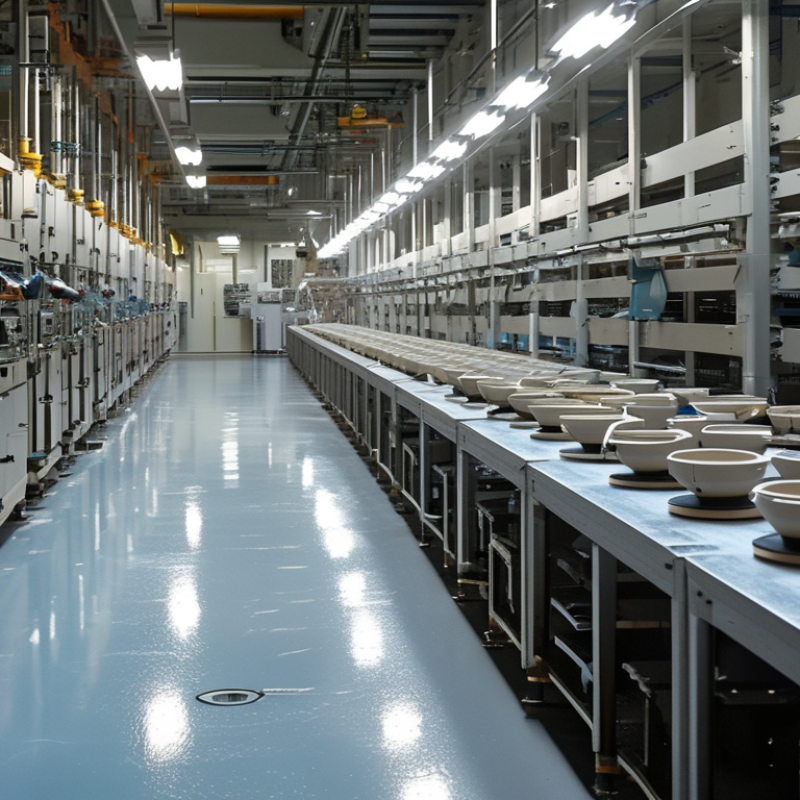
The LTCC (Low-Temperature Co-Fired Ceramics) market is evolving rapidly. By 2026, the demand for LTCC process equipment is expected to reach new heights. According to a recent market report, the LTCC market is projected to grow at a CAGR of 8.3% during 2021-2026. This growth indicates a flourishing demand from various sectors, including telecommunications and automotive.
Emerging technologies are driving the need for more advanced LTCC equipment. The miniaturization of electronic components is leading manufacturers to seek innovative solutions. Notably, the increased integration of wireless technology is a key trend influencing the market. Engineers are tasked with leveraging LTCC materials for better efficiency and performance. Companies must adapt to these rapid changes to maintain competitiveness.
However, there are challenges. The high initial costs and complexity of LTCC processing can deter small manufacturers. Additionally, the shift towards sustainable practices calls for more eco-friendly materials. These factors require careful consideration from global buyers in 2026. They must evaluate both the technological advancements and the economic factors that influence procurement decisions.
The LTCC (Low Temperature Co-fired Ceramics) process equipment continues to evolve, showcasing key innovations for 2026. This technology holds a significant role in the manufacturing of high-frequency components, particularly in RF applications. Industry reports suggest that the LTCC market is expected to reach USD 1.5 billion by 2026, driven by the demand for miniaturized electronic devices.
A pivotal innovation is the improvement in substrate materials. These advanced materials offer enhanced thermal management and electrical performance. For example, newer LTCC formulations enable lower dielectric losses, which is vital for high-efficiency applications. Data indicates a reduction in losses by up to 30% in some cases, leading to more reliable products.
Another area of focus is automation in manufacturing processes. Enhanced machinery and software solutions streamline production, reducing lead times and increasing precision. Some facilities now report a 25% increase in productivity, thanks to integrated systems. However, a challenge remains in balancing automation with skilled labor. The industry's growth necessitates continuous training for a workforce that understands these innovations.
The LTCC (Low-Temperature Co-fired Ceramic) industry continues to grow. Many manufacturers are focusing on producing reliable and efficient equipment. Global demand is increasing as industries adopt LTCC technology for various applications, including electronics.
Several suppliers have established a reputation for quality. These manufacturers prioritize innovation and technological advancements. They often participate in trade shows and industry forums. This involvement keeps them updated on market trends and customer needs. Yet, not every supplier meets high standards. Some may lack necessary certifications or technical expertise. Buyers must conduct due diligence to avoid potential pitfalls.
The journey to source LTCC equipment isn't always straightforward. Global buyers face challenges like varying quality standards and lead times. Transparency in specifications is not always guaranteed. An informed decision requires thorough research and comparisons. Seeking recommendations and customer reviews is crucial for making sound choices.
The LTCC (Low-Temperature Co-fired Ceramic) technology continues to evolve, catering to diverse applications across various industries. In 2026, global buyers will seek specific LTCC process equipment tailored for their unique needs. According to a recent market report, the LTCC market is expected to reach $2.5 billion by 2026, illustrating significant growth driven by demand in telecommunications and automotive sectors.
Each application demands different LTCC equipment features. For instance, equipment designed for RF filters may focus on precise material handling and compatibility with high-frequency components. Conversely, equipment intended for sensor applications may prioritize flexibility and rapid prototyping capabilities. Understanding these specifications is crucial.
Tips: Always evaluate the compatibility of the equipment with your existing systems. Adequate training for operators is also vital. Addressing potential shortcomings in the processes can lead to considerable improvements. A well-rounded approach begins with assessing current technologies and future needs, fostering innovation in every production cycle.
The LTCC (Low-Temperature Co-Fired Ceramic) equipment market is projected to expand significantly by 2026. According to industry reports, the global LTCC market is expected to reach USD 2.5 billion by 2026, driven by the increasing demand for miniaturized components in electronics. However, several challenges may impede this growth. Supply chain disruptions and rising raw material costs are concerns that manufacturers must address.
One pressing issue is technology integration. As applications evolve, LTCC equipment must adapt seamlessly. Manufacturers face the challenge of ensuring that their equipment can evolve without significant capital investment. Additionally, a skilled workforce is essential to operate and innovate within the LTCC sector. Companies need to prioritize training and development.
Tips for navigating this evolving landscape:
The LTCC equipment market holds promise, but awareness of both prospects and challenges is key to success. Understanding market dynamics will equip businesses to thrive in a competitive environment.
How can we help you?
Call to 0034 943884600 Contact usWe use cookies to ensure that we give you the best experience on our website. If you continue without changing your settings, we'll assume that you agree to receive cookies on the HINE website. For more information read our cookie policy page, click the link for more information.plugin cookies
ACEPTAR