

7 Best Online Checkweighers for Global Buyers

Selecting a checkweigher is not just a matter of comparing speeds and prices. It means matching a weighing system to product size, line layout, washdown needs, and target accuracy. A missed overweight can raise material costs. A missed underweight can create customer complaints and compliance concerns. The details matter.

The International Federation of Robotics reported 4.28 million industrial robots operating worldwide in 2023, reflecting the scale of factory automation. That figure does not measure checkweigher adoption, but it shows why equipment integration deserves close attention. OIML R 51 provides internationally recognized recommendations for automatic catchweighing instruments. Buyers should still verify each supplier’s test conditions, reject mechanism, and data-handling capabilities. A brochure cannot prove performance on your line.

Lord Kelvin, a measurement-science pioneer, is often quoted as saying, “To measure is to know.” It is a useful principle for Checkweigher Online research, though it is not a checkweigher-specific endorsement. This guide compares seven online checkweighers for global buyers, focusing on practical selection criteria: throughput, weighing range, connectivity, service access, and total ownership cost. Small details count. A narrow conveyor, sticky product, or frequent product changeover can alter the best choice. No single model fits every plant. Some specifications also look clearer on paper than they feel during a shift; that deserves a closer look.
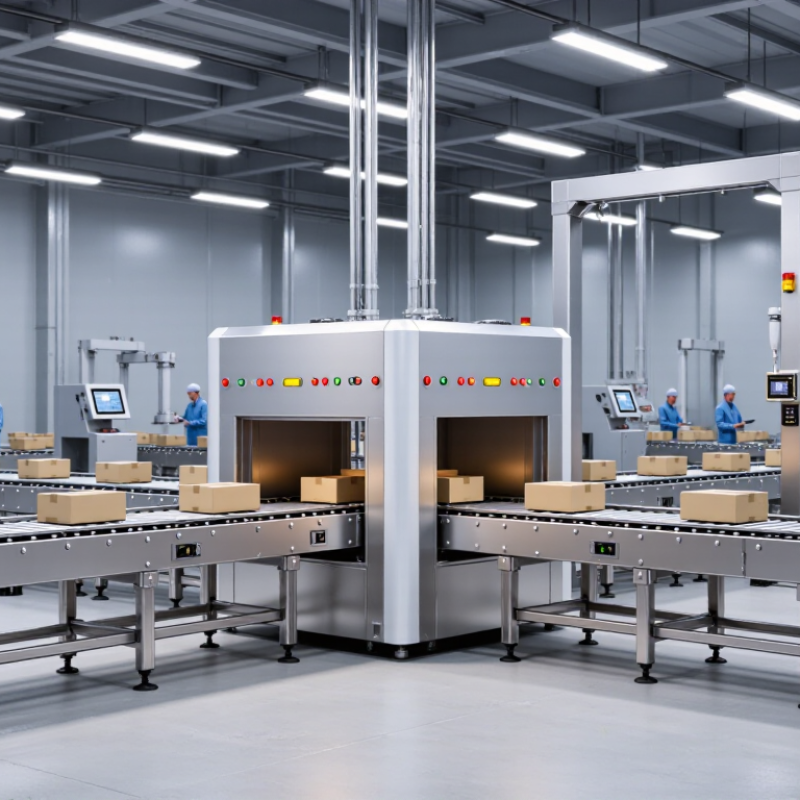
7 Best Online Checkweighers for Global Buyers

What Online Checkweighers Do and How They Work

An online checkweigher weighs each pack while it moves along a production line. A photoelectric sensor detects the pack; a load cell measures the force on the weighing belt. The controller accounts for belt movement, then compares the result with preset weight limits. Packs outside those limits can be diverted by an air jet or mechanical arm. The line keeps moving. A practical detail: vibration from nearby equipment can affect readings, so installation and routine checks matter.

Checkweighers help identify underfilled packs and reveal overfilling that gives away product. FAO’s 2019 State of Food and Agriculture estimated that about 14% of food is lost between harvest and retail. That figure is not a checkweigher savings claim, but it shows why careful product handling matters. For technical evaluation, OIML R 51 sets requirements and test methods for automatic catchweighing instruments. Buyers should compare the stated accuracy at their actual line speed, pack size, and product type. A machine can appear precise and still drift. Verify performance with test weights and review its records over time.

7 Best Online Checkweighers for Global Buyers — What Online Checkweighers Do and How They Work

An online checkweigher weighs individual products as they move along a production line and compares each reading with configured weight limits. The readings shown are illustrative examples, not field measurements or recommended tolerances; acceptable limits depend on the product and applicable requirements.

Industries and Production Lines That Use Checkweighers

Food processors use checkweighers on lines packing bread, frozen meals, dairy products, and snack bags. A unit placed after the filler can flag packs that fall outside a set weight range. On a bakery line, for example, it may check wrapped loaves moving past at steady intervals. Washdown needs, belt speed, and package shape all affect equipment choice. Placement matters.

Pharmaceutical and personal-care manufacturers may check sealed cartons, bottles, or small tubs before case packing. A checkweigher confirms package mass, but it does not verify a product’s identity or condition. Teams should define what happens when a pack is rejected and confirm that the reject device works reliably at line speed. Small errors add up. Routine test weights and clear inspection records help operators spot drift, though checks still depend on consistent procedures.

Agriculture, beverage, and logistics operations use checkweighers for sacks, bottles, and parcels. A distribution line may weigh cartons to identify unexpected changes before palletizing. In practice, irregular bags and shifting contents can make readings less stable. That can be overlooked. Buyers should consider the actual product, expected throughput, available floor space, and cleaning conditions—not just the stated weighing range. A short production trial can reveal problems that a specification sheet misses.

7 Best Online Checkweigher Applications for Global Buyers — Industries and Production Lines That Use Checkweighers
Industry Production Line and Products Typical Pack Format Illustrative Product Weight Range Why Use an Online Checkweigher?
Bakery and Snacks Packaged bread, biscuits, snack bags, and confectionery on form-fill-seal or cartoning lines. Flexible pouches, bags, trays, and cartons Approximately 10 g–2 kg Checks package weight after filling or packing, helping identify missing items and underweight or overweight packs.
Meat, Poultry, and Prepared Foods Fresh or processed portions, ready meals, and frozen foods moving through packing and sealing lines. Trays, vacuum packs, and sealed pouches Approximately 100 g–5 kg Supports weight verification on wet or washdown production lines; conveyor and enclosure requirements should match the facility’s hygiene conditions.
Dairy and Beverages Yogurt, dairy desserts, bottled drinks, and other products checked after filling, capping, or secondary packaging. Cups, bottles, cartons, and multipacks Approximately 100 g–2 kg per sale unit Detects weight deviations caused by filling variation and can verify the total weight of selected multipacks.
Pharmaceuticals Medicine cartons, bottles, and other packaged products checked after packaging or cartoning. Blister cartons, bottles, and small boxes Approximately 5 g–1 kg Provides an in-line weight check that can help identify missing components; regulated applications may also require validated procedures and documented records.
Personal Care and Household Products Shampoo, detergent, lotion, and similar products on bottling, tube-filling, or case-packing lines. Bottles, tubes, jars, and cartons Approximately 50 g–5 kg Checks filled units or packed cases and helps monitor fill consistency across a production shift.
Chemicals and Agricultural Products Fertilizers, powders, granules, and liquid products on bagging or container-filling lines. Bags, pails, bottles, and drums Approximately 0.5–25 kg Verifies filled package weight in demanding production environments; confirm that materials, guarding, and environmental protection suit the product and site.
Logistics and Parcel Handling Parcels and cartons on automated sorting, dispatch, or shipping-verification lines. Shipping cartons, mailers, and parcels Approximately 0.1–30 kg Captures parcel weight for shipping checks and can pass weight data to compatible line-control or shipping systems.

Note: Weight ranges are illustrative application examples, not guaranteed equipment specifications. Suitable range, throughput, and weighing performance depend on package dimensions, product behavior, conveyor conditions, and the selected system configuration.

Key Features to Compare When Choosing a System

When comparing online checkweighers, match the weighing range and belt speed to your actual production line, not a brochure’s best-case figure. A unit that handles small sachets may behave differently with tall cartons moving at the same rate. Check accuracy claims under stated conditions, including product spacing, vibration, and temperature changes. Ask for test results using samples close to your own package size and weight. Small details matter. Confirm belt width, conveyor height, and reject-device timing; a late air blast can disturb nearby packs. Very light or unstable products may need a different belt or sensor setup.

Review the system’s records and integration options. Useful records show weights, alarms, and calibration checks with clear timestamps. Confirm that data can connect with your existing production software and export in a format your team can use. For global sites, check electrical requirements, operating languages, cleaning needs, and local service availability. Ask how quickly common spare parts can be supplied. A polished demonstration is helpful, but it may not reveal performance during a busy shift. Arrange a trial with real products and line speeds where possible; even then, results may vary when packaging or conditions change.

Seven Online Checkweigher Options for Global Buyers

Seven online checkweigher options suit different products, line speeds, and factory conditions. FAO’s 2019 report, The State of Food and Agriculture, estimated that 14% of food is lost between harvest and retail. That figure does not measure checkweigher performance, but it highlights why reliable weight control matters. Buyers should compare real product samples, target weights, belt speeds, and cleaning routines before choosing. OIML R 51-1:2006 provides international technical and metrological recommendations for automatic catchweighers. Details matter.

A compact conveyor model fits short lines and lighter packs. A high-speed unit suits plants with fast, steady output. A washdown design helps where frequent cleaning is part of daily production. Multi-lane systems can weigh several streams, but require careful synchronization. Combination inspection systems pair weighing with other checks, saving floor space while adding setup complexity. Heavy-duty models handle larger cartons and changing loads. Modular systems allow buyers to tailor conveyor length, reject handling, and data connections. These are useful categories, not a universal ranking. I would not choose by advertised speed alone; actual accuracy can shift with product spacing, vibration, and operator setup. Ask suppliers for documented test results using your own products, and confirm service support in the destination market.

Installation, Compliance, and Support Across Markets

For global buyers, a checkweigher is only as dependable as its installation. Confirm belt width, product spacing, line speed, and reject-bin access before shipment. A cramped inspection area can force awkward belt changes later. Ask for a site survey, wiring diagrams, and commissioning records. Keep it practical.

Compliance varies by destination and product use. OIML R 51-1:2019 sets requirements for automatic catchweighing instruments, including metrological tests and instrument classes. For regulated applications, verify local approval, inspection, and labeling requirements with the relevant authority. Do not assume one certificate works everywhere. That assumption fails.

Support matters after handover. MHI’s 2024 Annual Industry Report found that 55% of surveyed supply-chain leaders planned to increase technology investment. Connectivity can help, but remote diagnostics need clear access controls and escalation paths. Request response-time commitments, spare-parts lead times, operator training in local languages, and a calibration schedule. Test three product formats at actual line speed, then review reject rates and weight records. Even good plans miss things.

Choose a global leader for your hydraulics solutions

How can we help you?

Call to 0034 943884600 Contact us
Call us Contact us

We use cookies to ensure that we give you the best experience on our website. If you continue without changing your settings, we'll assume that you agree to receive cookies on the HINE website. For more information read our cookie policy page, click the link for more information.plugin cookies

ACEPTAR
Aviso de cookies