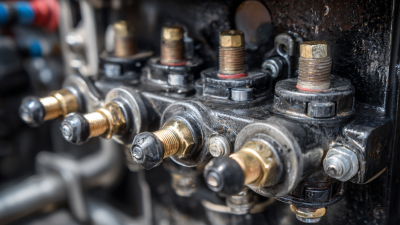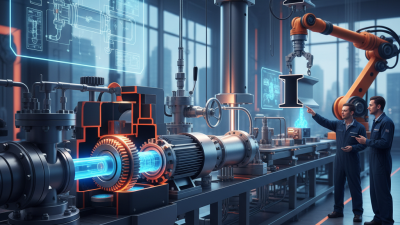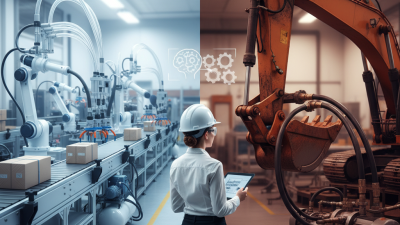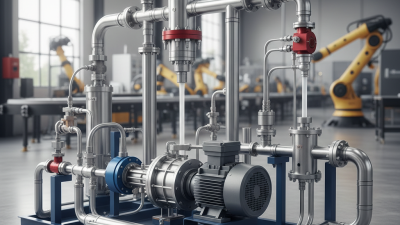

In today's industrial landscape, the demand for efficient systems is ever-increasing. Pneumatic hydraulic systems stand out for their versatility and performance. These systems blend the power of hydraulics with the efficiency of pneumatics. Such combinations promise enhanced productivity in various applications.
Global buyers need to consider many factors. Understanding the unique strengths of pneumatic hydraulic systems is crucial. Their precise control and adaptability make them suitable for numerous tasks. However, one should reflect on the specific requirements of their operations. Each application may reveal different strengths and weaknesses.
Several brands lead the market in 2026. Each offers unique features worth noting. Exploring these options helps buyers make informed decisions. Quality, reliability, and service are paramount. Thus, experience and expertise define the best choices in pneumatic hydraulic systems.
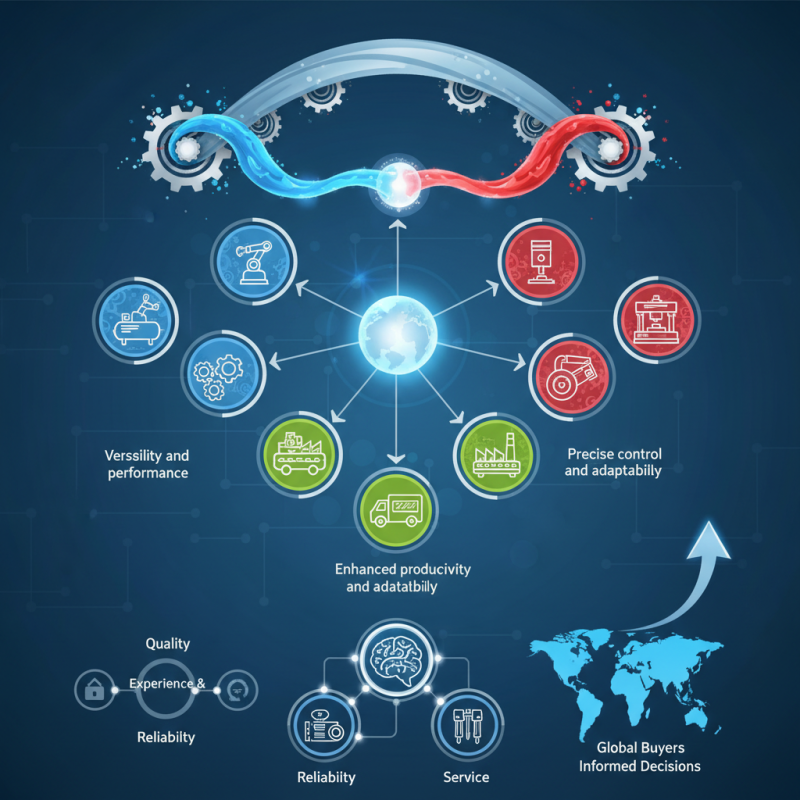
Pneumatic hydraulic systems have seen a significant rise in popularity in recent years. These systems combine the power of hydraulics with the efficiency of pneumatics. They serve various applications across multiple industries. In sectors like manufacturing and automation, they enhance productivity. However, the integration of these systems is not without challenges.
Global markets are witnessing an increasing demand for these systems. However, inconsistencies in quality and performance can pose risks. Buyers must focus on the authenticity of the systems they choose. Identifying reliable suppliers is critical. Dependable systems improve efficiency but can require significant investment.
Challenges may arise during maintenance and operation. Complexities in their design can lead to operational downtime. Training employees to handle these systems is essential. Investing in proper education can mitigate many potential issues. While the potential is high, buyers need to proceed with caution. The right choice leads to long-lasting benefits.
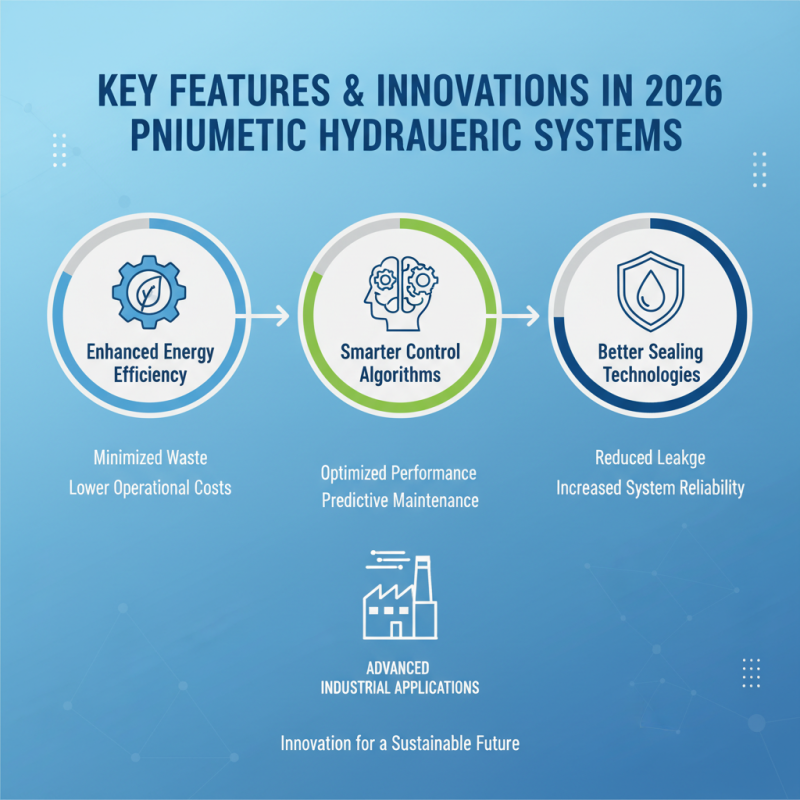
In 2026, pneumatic hydraulic systems are anticipated to offer remarkable advancements. One key feature is their enhanced energy efficiency. These systems are designed to minimize energy waste, leading to lower operational costs for businesses. This efficiency is achieved through smarter control algorithms and better sealing technologies.
Another innovation is the integration of IoT capabilities. Sensors are embedded in these systems, allowing real-time data monitoring. Operators can track performance metrics and adjust parameters accordingly. This connectivity ensures that systems operate at peak efficiency, reducing the likelihood of failures or malfunctions.
However, some challenges remain. As technology evolves, maintaining compatibility with older systems can be complex. Additionally, the training required for personnel to manage these new features may not keep pace with the speed of innovation. Companies must invest in continuous education to maximize the potential of these advanced pneumatic hydraulic systems.
The market for pneumatic hydraulic systems is evolving rapidly. Major manufacturers are refining their strategies to stay competitive. Understanding these strategies may help global buyers make informed decisions.
Leading manufacturers often focus on innovation. They invest heavily in research and development. This commitment leads to more efficient systems and better performance. However, some companies struggle with the transition from traditional methods to more modern technologies. This gap can lead to inconsistencies in product quality, resulting in customer dissatisfaction.
Another common strategy is forming strategic alliances. Collaboration with engineering firms helps manufacturers create tailored solutions. This approach can enhance product offerings and meet diverse customer needs. However, reliance on partnerships may also raise concerns about dependency and resource-sharing. Evaluating these aspects is crucial for buyers to determine the best fit for their requirements.
In 2026, the competition between pneumatic and hydraulic systems is intensifying. Buyers must consider various factors influencing their decision.
Pneumatic systems excel in speed and cleanliness. They are often easier to maintain. Yet, they may struggle with heavy loads.
This limitation is crucial for industries dealing with substantial weight.
On the other hand, hydraulic systems offer remarkable power. They can handle larger loads effectively. However, they tend to be bulkier and more complex.
Maintenance can be challenging, sometimes leading to downtime. Cost factors also vary. Pneumatic systems often require lower initial investments.
Conversely, hydraulic systems can lead to higher operational costs over time.
Every facility is unique. The choice depends heavily on specific requirements. Some businesses might find pneumatic systems more cost-effective in the short term.
Others might prefer hydraulic systems for their robustness, despite initial expenses. Understanding both systems' strengths and weaknesses is essential for making an informed decision.
Balancing costs with operational efficiency is critical. Decisions need careful reflection.
The field of pneumatic hydraulic systems is evolving rapidly. Efficiency and sustainability are at the forefront of this revolution. Industry reports indicate that 65% of energy usage in hydraulic systems comes from inefficiencies. This highlights a critical area for improvement. Many manufacturers are now prioritizing energy-saving technologies, which can reduce operational costs significantly.
Sustainability is another key trend. The global market for eco-friendly hydraulic systems is projected to grow by 12% annually. This growth is driven by stricter environmental regulations and a shift towards greener practices. Systems that utilize biodegradable fluids and energy recovery features are gaining traction. These innovations not only lower environmental impact but also enhance system longevity.
Despite these advancements, challenges remain. Many companies struggle with integrating new technologies into existing infrastructures. Transitioning to greener options may involve high upfront costs and employee training. However, the long-term benefits, including lower energy expenses and improved public perception, make these investments worthwhile. As technology advances, the industry must adapt while facing these hurdles. The future is bright for sustainable pneumatic hydraulic solutions.
How can we help you?
Call to 0034 943884600 Contact usWe use cookies to ensure that we give you the best experience on our website. If you continue without changing your settings, we'll assume that you agree to receive cookies on the HINE website. For more information read our cookie policy page, click the link for more information.plugin cookies
ACEPTAR