

In today’s fast-paced business environment, security and efficiency are paramount. A Smart System Locker can revolutionize how companies manage their assets. These lockers utilize cutting-edge technology to provide secure storage solutions. They can streamline operations, enhancing both productivity and peace of mind.
Choosing the right Smart System Locker involves careful consideration. Factors like size, security features, and ease of access play crucial roles. Businesses must evaluate their unique needs against the options available on the market. There is no one-size-fits-all solution, and what works for one may not work for another.
Some users may find the learning curve challenging. Implementing a Smart System Locker can initially feel overwhelming. However, the long-term benefits often outweigh the initial hurdles. Investing in a Smart System Locker ensures valuable resources are protected. The choice you make today can shape your business's future security landscape.
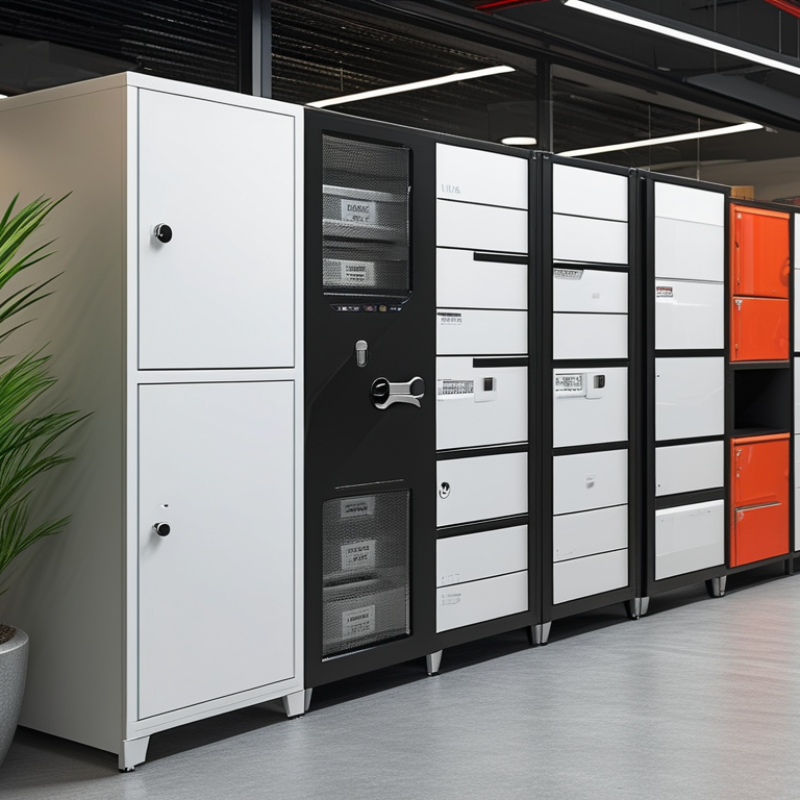
Smart system lockers are revolutionizing the way businesses manage packages and secure items. These lockers use advanced technology to provide secure access and real-time tracking. According to a report by Mordor Intelligence, the smart locker market is projected to grow at a CAGR of over 20% through 2025. This growth is fueled by the demand for efficient solutions in logistics and facility management.
Understanding their functionality is crucial. Smart lockers integrate with software systems, allowing users to send and receive items without needing physical keys. They send notifications to users when packages are delivered. This reduces the need for staff intervention, leading to operational efficiency. However, businesses must ensure the lockers align with their specific needs, such as size and usage frequency.
Tip: Assess your business's package volume when choosing a smart locker. Larger volumes may require more advanced features or capabilities.
Installation costs can vary, introducing challenges for budgeting. Continuous maintenance is also necessary to keep these systems functional. Businesses may face difficulties in selecting the right provider due to varying technology standards in the industry.
Tip: Research multiple providers and check reviews to avoid costly mistakes.
When selecting a smart system locker for your business, consider key features that enhance efficiency and security. According to a recent industry report, 73% of businesses reported improved inventory tracking with smart lockers. Look for lockers equipped with inventory management software. This allows you to monitor usage patterns and optimize your resources.
Security features are paramount. Select lockers with advanced locking mechanisms and dual authentication options. Data indicates that incidents of theft can be reduced by up to 30% with such measures. Integration with your existing security system is also crucial. This creates a seamless experience and ensures comprehensive protection for valuable assets.
Tips: Evaluate the size and capacity before purchasing. Lockers should fit your specific business needs. User-friendly interfaces can boost employee engagement. Don't overlook maintenance and support services. Regular updates and quick assistance can prevent potential issues down the line. Investing time in research will yield better decisions for your workspace.
The growing trend of smart locker technology is reshaping various industries. Businesses are increasingly recognizing the benefits of innovation in logistics and customer service. Smart lockers provide secure and accessible storage options for packages, personal items, or even equipment, reducing the need for physical interactions and enhancing efficiency.
Adoption rates have surged as more companies explore the flexibility these systems offer. However, implementing smart lockers does come with challenges. Companies must consider user experience and the reliability of technology. A poorly designed system can frustrate users and lead to inefficiencies. Feedback from employees or clients is essential in refining these systems. The balance between convenience and functionality is often difficult to achieve.
Integration with existing systems is another point of reflection for businesses. Many find it challenging to merge smart lockers with current workflows. Proper training for staff and clear communication about locker usage can help mitigate these issues. As the market continues to evolve, businesses must remain adaptable and responsive to both technological advancements and user feedback.
When assessing the ROI of smart lockers for businesses, several factors come into play. Initial costs, maintenance expenses, and potential savings need careful evaluation. Businesses often overlook hidden costs, like the time saved from manual management. Knowing how many hours your staff could reclaim is essential in this analysis.
The benefits of smart lockers extend beyond mere efficiency. They often enhance customer satisfaction through increased convenience. However, a business must calculate if the investment aligns with their goals. Understanding user interaction with the system can reveal opportunities for improvement. Observing how lockers are used can inform future upgrades.
While smart lockers may promise cost savings, they require a cultural shift within an organization. Training staff and customers takes time and resources. Assessing current workflows can reveal areas for better integration. The right technology could simplify processes, but companies must remain open to feedback for continuous improvement.
In recent years, various industries have adopted smart locker systems to enhance operational efficiency. For example, a healthcare facility implemented smart lockers to manage medication distribution. This system streamlined access for both staff and patients. However, initial setup faced challenges related to user training, highlighting the need for comprehensive onboarding processes.
Another case study from the retail sector showcases how smart lockers improved inventory management. By allowing customers to pick up online orders securely, the store reduced in-store congestion. Yet, some customers struggled with the tech interface, indicating that intuitive design is crucial for success. Continuous feedback loops help identify areas for improvement.
Logistics companies have also seen benefits from smart lockers. They provide secure drop-off points for deliveries, reducing theft and loss. However, inconsistent locker availability during peak times raised concerns. This reflects the ongoing challenge of balancing efficiency with user convenience. Each industry’s experience reveals that thoughtful implementation is key to maximizing the benefits of smart lockers.
How can we help you?
Call to 0034 943884600 Contact usWe use cookies to ensure that we give you the best experience on our website. If you continue without changing your settings, we'll assume that you agree to receive cookies on the HINE website. For more information read our cookie policy page, click the link for more information.plugin cookies
ACEPTAR