

What is the Best Taber Abrasion Tester for Your Needs?

When selecting the right Taber Abrasion Tester, expertise is crucial. Dr. Lisa Thompson, an industry leader at the Abrasion Testing Institute, emphasizes, "Choosing the right equipment is as important as knowing how to use it." This statement highlights the need for careful consideration in equipment selection.

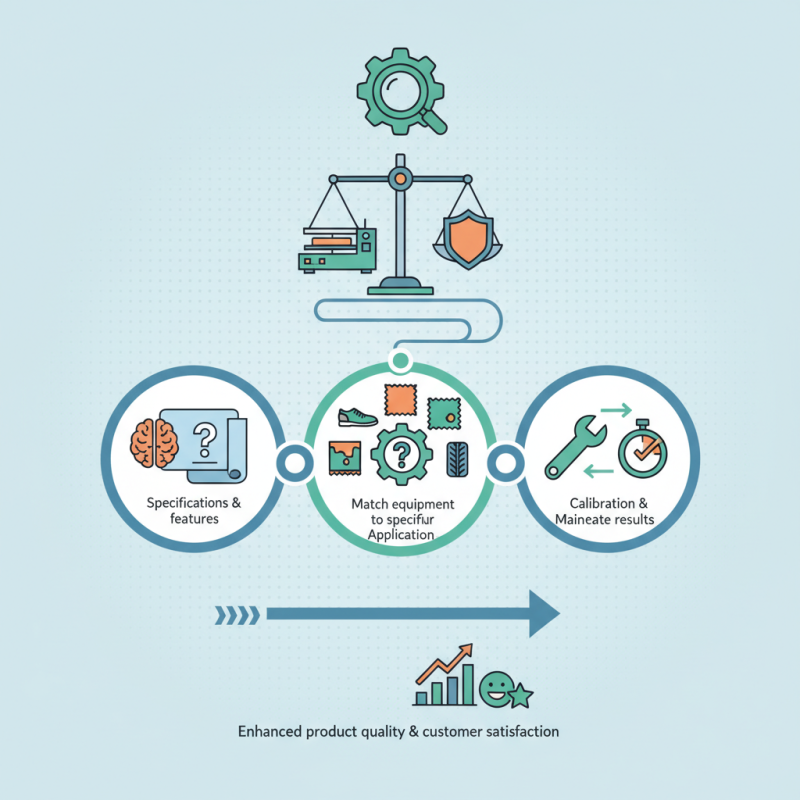
The Taber Abrasion Tester is vital for measuring material wear and durability. Understanding its specifications and features can be overwhelming for newcomers. Each model offers unique benefits. However, not every tester fits every application. It's important to match equipment with specific testing requirements.

Many users overlook calibration and maintenance. These factors are essential for accurate results. A well-maintained Taber Abrasion Tester ensures reliability and validity in testing. While some may rush to purchase, taking the time to evaluate options can lead to better outcomes. The right choice can enhance product quality and customer satisfaction.
What is the Best Taber Abrasion Tester for Your Needs?

Understanding Taber Abrasion Testers: An Overview

Taber abrasion testers are essential tools for evaluating material wear resistance. Industries ranging from textiles to automotive rely on these devices. The Taber abrasion test measures how a material holds up against friction and wear. This test can predict the longevity of products, ultimately aiding in quality control and material selection.

Recent reports indicate that around 60% of production failures stem from poor material performance under abrasive conditions. Understanding how different materials react to abrasives allows companies to make informed decisions on their products. Testers provide quantifiable data on factors like weight loss and surface degradation after specific cycles of abrasion.

Choosing the right Taber abrasion tester involves considering the specific needs of your material and industry. Some testers focus on textile samples while others cater to hard surfaces. The variations in testing methods, such as the number of revolutions or load weights, can affect results significantly. Accurately assessing these variables enhances product reliability and improves customer satisfaction. Leveraging this detailed information helps companies not only meet standards but also beat competition.

Key Features to Look for in a Taber Abrasion Tester

When selecting a Taber abrasion tester, it is crucial to understand key features. These instruments are essential for evaluating material wear resistance. A reliable tester should have adjustable weight settings. This allows for testing various materials, ensuring versatility in performance. Many reports indicate that adjustability can enhance accuracy by up to 15%.

Another important feature is the type of abrading wheels. Different materials produce varying results. For example, using Calibrase wheels may yield different data than CS-17 wheels. Selecting the right wheel for your material is vital. Many users overlook this point, leading to inconsistent results.

Documentation and calibration support are often neglected, yet they are essential. A good tester should come with clear documentation. This ensures that users understand how to maintain and calibrate the device. Frequent calibration can improve reliability significantly. According to industry benchmarks, regular calibration can increase testing accuracy by 20%. Therefore, a thorough understanding of these key features can directly impact your testing outcomes.

Comparing Different Models of Taber Abrasion Testers

When comparing different models of Taber abrasion testers, several factors come into play. Understand the specific requirements of your testing environment. For example, consider the sample materials you will be testing. Some testers handle softer materials better, while others are suited for harder surfaces.

Look at the various options available in the market. Features like test speed and the number of test cycles can impact your results. Some models may offer advanced setups for specific applications, but these may also complicate the use. Simplicity can be a virtue. Sometimes a more straightforward model can yield reliable results without the unnecessary complexity.

Accurate calibration is essential. Read reviews and consult experts on the reliability of the models. While many options claim high precision, not all deliver consistently. Reflect on your laboratory’s needs. A cost-effective solution is ideal, but not at the expense of accuracy and reliability.

What is the Best Taber Abrasion Tester for Your Needs? - Comparing Different Models of Taber Abrasion Testers

Model Weight (lbs) Max Load (g) Test Speed (RPM) Price ($) Recommended For
Model A 150 500 60 3000 Plastic and Coatings
Model B 120 400 50 2500 Textiles
Model C 170 700 70 3500 Flooring and Carpeting
Model D 130 600 55 2800 Paints and Coatings
Model E 140 450 65 3200 Rubber and Elastomers

How to Choose the Right Taber Abrasion Tester for Your Industry

Choosing the right Taber Abrasion Tester for your industry can be daunting. Different sectors have unique requirements, and understanding them is vital. For example, the automotive industry often demands rigorous testing to ensure surface durability. According to a recent report by the International Society for Coatings Technology, wear resistance is crucial, as coatings must meet industry standards for longevity and performance.

Material type is another significant factor. Plastics, textiles, and metals each respond differently to abrasion tests. A study by the ASTM highlighted that hard surfaces may require more robust testing methods. In contrast, softer materials, like textiles, may undergo quicker degradation under similar conditions. Your choice of tester should match the specific needs of your material’s characteristics.

Also, consider testing environment. Laboratory settings might differ vastly from field conditions. It’s essential to reflect on how these differences impact the wear results. Many testers provide precise data but may not replicate real-world scenarios effectively. Balancing accuracy with practical relevance remains a challenge for many industries. Properly navigating these aspects will lead to better material performance and reliability.

Best Taber Abrasion Testers Comparison

Maintenance and Calibration Tips for Taber Abrasion Testers

Maintaining and calibrating a Taber Abrasion Tester is essential for accurate results. Regular upkeep ensures reliable performance and extends the life of the instrument. Calibration is crucial; it helps verify that the tester gives consistent results across multiple tests.

Tips for maintenance include cleaning the testing surfaces after each use. This prevents debris buildup, which can compromise accuracy. Always handle the testers gently to avoid misalignment, which can lead to errors in measurements. Periodically check the calibration against standard samples to ensure results remain valid.

Consider keeping a maintenance log. Documenting the performed checks makes it easier to track changes over time. If you notice fluctuating results, reevaluate the setup and environment. Abrasion testing requires precision; an overlooked calibrating step can lead to significant data errors. Small misalignments could result in large discrepancies in your data output.

Choose a global leader for your hydraulics solutions

How can we help you?

Call to 0034 943884600 Contact us
Call us Contact us

We use cookies to ensure that we give you the best experience on our website. If you continue without changing your settings, we'll assume that you agree to receive cookies on the HINE website. For more information read our cookie policy page, click the link for more information.plugin cookies

ACEPTAR
Aviso de cookies