2026 Best Trigger Sprayer Pump for Global Buyers?
In the world of cleaning solutions, the Trigger Sprayer Pump stands out for its versatility and convenience. As global buyers seek effective tools, the demand for reliable sprayers rises. This year, the selection of the best Trigger Sprayer Pumps has become crucial for consumers who prioritize quality and performance.
Many buyers struggle to choose the right Trigger Sprayer Pump for their needs. There are numerous options available, but not all sprayers deliver the promised performance. Effective spraying depends on factors like nozzle design and bottle compatibility. A good sprayer can enhance efficiency in various applications, from household cleaning to gardening.
However, challenges remain. Some sprayers may leak or clog, causing frustration. Buyers often reflect on their experiences, wishing they had more information before purchasing. By exploring key features and user reviews, global buyers can make informed decisions. This guide aims to simplify the selection process for the best Trigger Sprayer Pump available.
Top Features to Consider in a Trigger Sprayer Pump
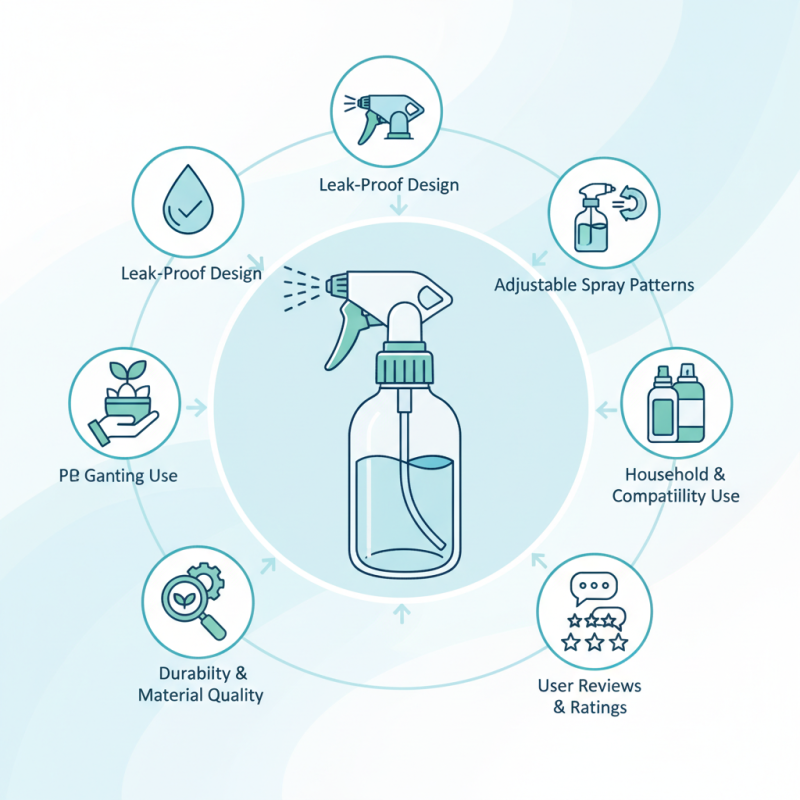
When selecting a trigger sprayer pump, certain features can significantly impact usability. Ergonomic design is one of the most vital aspects. A comfortable grip reduces hand fatigue, especially during prolonged use. The position and shape of the trigger play a crucial role in achieving ease and precision. An easy-to-pull trigger allows for better control of spray patterns.
Adjustability is another essential feature. A good sprayer should offer varied spray patterns, from a fine mist to a powerful jet. This versatility is key for different tasks, whether for gardening or household cleaning. Flexibility enhances performance across multiple applications, making a single tool more valuable.
Durability counts as well. A well-constructed sprayer withstands repeated use and exposure to various chemicals. Quality materials ensure longevity and reliability. However, it’s important to consider: not all triggers are made to last. Some might break or leak after limited use, which is frustrating. Paying attention to joint and seal quality can help avoid these pitfalls. The overall design and build ultimately affect efficiency and satisfaction.
Popular Materials Used in Trigger Sprayer Pumps
When selecting trigger sprayer pumps, understanding the materials is crucial. Common materials include polypropylene, polyethylene, and ABS plastic. Each offers unique advantages and disadvantages. For instance, polypropylene is known for its resistance to chemicals and moisture, making it a popular choice for cleaning products. However, it can be prone to degradation under UV exposure.
A recent industry report indicated that the demand for plastic trigger sprayers is expected to grow at a rate of 5% annually. This growth highlights the importance of using durable, high-quality materials. Polyethylene, while more flexible, is less resistant to certain solvents compared to polypropylene. Manufacturers must balance cost and quality when sourcing materials, as this directly impacts consumer satisfaction.
Another material worth mentioning is rubber, often used in seals and gaskets. While it provides excellent sealing capabilities, rubber can wear out over time, leading to leaks. This imperfection necessitates a focus on design improvements and material innovations. Ultimately, understanding the strengths and weaknesses of these materials can guide manufacturers toward developing better trigger sprayer solutions for global consumers.
Comparative Analysis of Leading Brands for 2026
In 2026, the trigger sprayer market is expected to reach a valuation of over USD 2 billion, driven by increasing demand from various sectors. Leading brands are adapting to consumer preferences for ergonomics and sustainability. A recent report highlights that 75% of buyers now prioritize eco-friendly materials. This shift is reshaping the way manufacturers design these essential tools.
When evaluating leading products, key performance indicators include spray consistency, durability, and ease of use. Many users seek a balance between functionality and comfort. Notably, sprayers that require less force tend to enhance user experience significantly. Reports indicate that the market for lightweight designs is growing, as consumers favor sprayers that reduce fatigue during prolonged use.
Tips: Always consider the adjustment features of the sprayer. Models with customizable spray patterns often serve multiple purposes. Additionally, check for a locking mechanism that ensures safety and prevents accidental discharge. Investing in sprayers with reliable warranties can provide peace of mind. Remember, not all options are created equal; weigh the long-term benefits against initial costs for the best value.
Market Trends Shaping the Trigger Sprayer Industry
The trigger sprayer industry is evolving rapidly. With an increasing focus on sustainability, manufacturers are looking for eco-friendly materials. This shift is driven by consumer demand for products that minimize environmental impact. There is also a growing trend towards innovation in design. More ergonomic shapes and features make sprayers easier to handle.
Technological advancements play a significant role in this market. Smart sprayers, which allow for adjustable spray patterns and coverage, are becoming popular. However, keeping prices competitive is a challenge. Companies must balance innovation with affordability. Another area to reflect on is the supply chain. Disruptions can affect material availability and production timelines.
Consumer preferences are also shifting. Many buyers now seek versatile, multi-functional sprayers. They want products that work for various applications, from gardening to cleaning. Yet, not all manufacturers are adapting to these shifts quickly. Brands need to listen closely to market feedback. Being responsive will be crucial for long-term success in this competitive space.
Best Practices for Maintaining Trigger Sprayer Pumps
Maintaining trigger sprayer pumps requires attention to detail and a proactive approach. Regular cleaning is crucial. After each use, rinse the nozzle and hose with water to remove any residue. Neglecting this step can lead to clogs. It's also important to check for leaks regularly. A small leak can waste product and affect performance.
Tips: Always store sprayers upright. This helps prevent spills and keeps the nozzle clear. For occasional issues, disassembling the sprayer for a thorough clean may be necessary. Remember to inspect the trigger mechanism for smooth operation. It's easy to overlook wear and tear over time.
Keep an eye on the sprayer's lifespan. If it begins to show signs of malfunction, consider replacement. Waiting too long can worsen the problem. Additionally, be mindful of the type of liquids used in the sprayer. Harsh chemicals can degrade materials, leading to early failure.