

Choosing a reliable US Overseas Warehouse DDP Delivery service requires more than comparing shipping prices. It means examining customs handling, inventory accuracy, delivery coverage, and the clarity of every landed cost. A strong provider should coordinate storage, pick-and-pack operations, import duties, taxes, and final-mile delivery through one accountable process.
Industry veteran James Hookham captures the central challenge: “Visibility is the key to managing supply chains.” That principle matters when a product moves from a warehouse shelf in California to a customer’s doorstep in New York. Buyers need tracking updates, predictable fees, and practical support when a parcel is delayed or an address needs correction.
This guide reviews five leading service options for US Overseas Warehouse DDP Delivery. The comparison considers warehouse locations, technology, delivery speed, customs expertise, pricing transparency, and customer support. It also looks at less visible details, such as return handling and inventory reconciliation. Those details often affect profitability more than the advertised shipping rate.
No provider is perfect. A low-cost plan may offer slower delivery or limited returns. A premium service may still experience carrier disruptions, seasonal congestion, or unexpected documentation issues. Rankings can also change as contracts, fuel costs, and network coverage shift. Therefore, this list is a practical starting point, not a permanent verdict. Businesses should verify current terms, product eligibility, and total costs before signing an agreement.
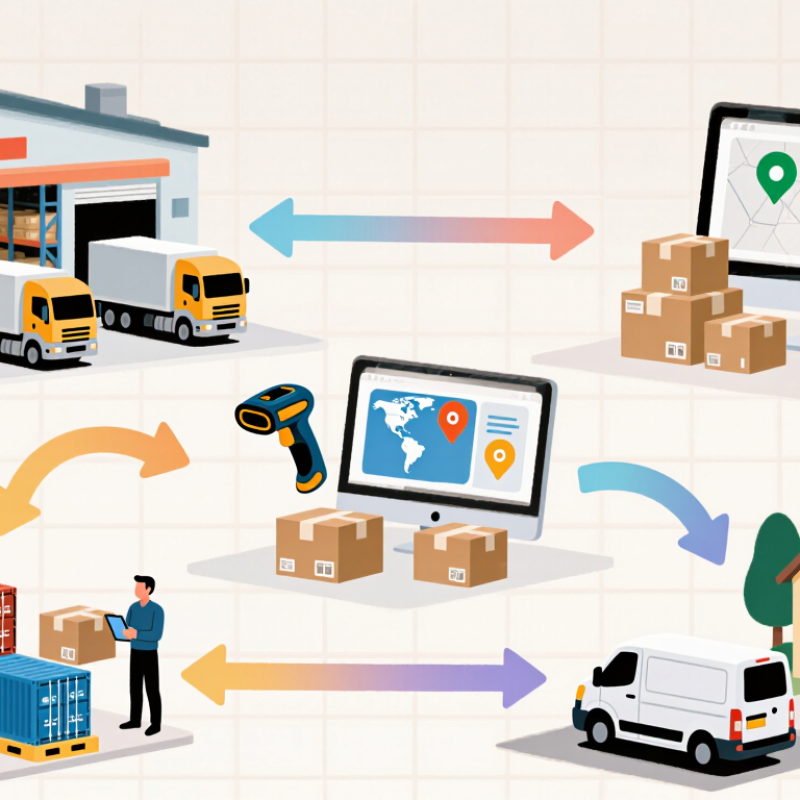
US overseas warehouse DDP delivery combines local inventory storage with Delivered Duty Paid shipping. Goods arrive at a warehouse in the United States before customers place orders. After purchase, staff pick, pack, and hand the parcel to a domestic carrier. Delivery may take one to three business days, depending on stock location and destination.
Under DDP terms, the seller usually manages international transport, customs clearance, import duties, and required taxes. The customer receives the parcel at the agreed address without paying unexpected import charges. However, DDP does not remove every responsibility. Sellers must provide accurate product descriptions, commercial invoices, tariff information, and compliant documentation. In practice, cost estimates can be imperfect. Storage fees, remote-area surcharges, returns, and damaged cartons may still need separate agreements. A reliable provider should explain each charge clearly and share tracking data.
Tips: Confirm who pays duties and taxes before signing. Ask whether inventory is already in the United States. Check warehouse cut-off times, return handling, insurance, and delivery exceptions. A practical test order can reveal packing quality and real transit speed. Do not rely only on a sales quote. Review the written DDP scope carefully, especially for oversized products or regulated categories. Small misunderstandings become expensive later.
Choosing a US overseas warehouse DDP provider requires more than comparing shipping rates.
Ask who acts as the importer of record and pays duties, taxes, and clearance fees. A reliable provider should document every responsibility clearly, instead of making vague promises.
Request sample commercial invoices, delivery records, and customs exception reports with sensitive data removed. The warehouse should provide accurate receiving counts, barcode scans, and photographs of damaged cartons.
Test inventory visibility by comparing dashboard data with a physical cycle count. Small errors matter. A ten-unit discrepancy can distort advertising, replenishment, and customer service decisions.
Evaluate delivery performance using lane-level data, not one attractive average.
Review on-time rates, customs hold frequency, damage claims, and shipments needing manual correction. Ask how the provider handles address changes, failed delivery attempts, returns, and parcel abandonment.
The contract should define DDP inclusions, excluded surcharges, insurance limits, storage charges, and response times. Check whether tracking updates before customers start complaining.
Speak with current customers in similar product categories. Their experience may reveal gaps hidden by a polished sales presentation.
I would also run a small pilot shipment before moving full inventory. It costs time, but testing can expose weak customs coordination and inaccurate landed-cost estimates.
One uncomfortable lesson remains: low rates may shift risk into unclear fees or slower support.
Leading US overseas warehouse DDP delivery services compete on predictability, not only speed. DDP places import duties, taxes, and customs clearance responsibility with the seller under ICC Incoterms 2020. Buyers receive a clearer landed cost, without surprise payment requests at the door. The 2024 Parcel Shipping Index recorded 21.2 billion U.S. parcels in 2023, showing the scale behind delivery promises.
The strongest providers connect overseas inventory, customs documents, and domestic carrier handoffs through one tracking system. A practical setup might store popular items near Los Angeles, inspect each carton, and release orders with pre-calculated duties. Delivery teams should publish realistic zones, cut-off times, return addresses, and damage procedures.
The U.S. Census Bureau reported continued double-digit e-commerce growth in 2024 increasing pressure on warehouse accuracy and final-mile capacity.
However, DDP is not automatically trouble-free. A low quoted rate may exclude remote-area fees, brokerage adjustments, or return transport. That weakness deserves scrutiny. Reliable operators audit tariff classifications, retain commercial invoices, and reconcile tax records after delivery.
Customers should test a small shipment first, checking the tracking events, final charge, and response time. One missing scan can expose a larger process problem.
According to the 2024 cross-border e-commerce shopper research, delivery visibility remains a major purchase concern, yet operational transparency is still uneven across markets.
DDP delivery should be compared through total landed cost, not the shipping label alone. Warehouse quotes may exclude duties, storage, pick-and-pack fees, remote-area surcharges, or return handling. Pitney Bowes reported 21.2 billion US parcels in 2023, showing how small fee differences can grow quickly at scale. Request a sample invoice for one 2-kilogram parcel, including tax, delivery, and possible re-delivery charges.
Speed needs practical testing. A reliable US warehouse should show inventory accuracy, order cut-off times, and delivery performance by zone. In my experience, same-day dispatch matters more than a bold “two-day” promise. A parcel leaving late still disappoints the customer. Measure transit time from scan to doorstep, not from order creation. Alaska, Hawaii, Puerto Rico, rural addresses, and PO boxes may require separate service rules.
Coverage and support reveal operational maturity. DHL’s 2024 E-Commerce Trends Report found that 81% of shoppers may abandon checkout when their preferred delivery option is unavailable. Support should provide a named contact, tracking escalation, claims procedures, and clear DDP documentation. Baymard Institute’s benchmark places average cart abandonment near 70%, so weak delivery information can quietly damage conversion. I would also test weekend replies and damaged-cart handling before committing. Cheap rates can be misleading. The better comparison is cost, speed, coverage, and response quality under real order conditions.
| Service Profile | Best For | Typical DDP Cost Range* | Estimated Transit Time | Overseas Warehouse Coverage | DDP Customs & Tax Handling | Order Fulfillment Fee | Returns Capability | Tracking & Integrations | Customer Support | Overall Fit |
|---|---|---|---|---|---|---|---|---|---|---|
| Profile A Express DDP | Time-sensitive parcels, premium consumer products, and urgent replenishment. | US$18–42 per 0.5–1 kg parcel | 3–7 business days after dispatch | North America, Western Europe, East Asia, Australia, and selected Middle East markets. | Commercial invoice review, HS-code guidance, duty and import-tax collection, and delivery-duty settlement. | US$2.50–5.50 per order, excluding storage and postage | Basic destination-country returns; inspection and consolidation usually charged separately. | End-to-end parcel tracking, API or CSV order upload, and delivery-event notifications. | Email and ticket support; commonly available during US business hours with limited after-hours escalation. | ★★★★★ Best for speed |
| Profile B Balanced DDP | Growing online retailers seeking a balance between delivery cost, speed, and geographic reach. | US$12–30 per 0.5–1 kg parcel | 6–12 business days after dispatch | United States, Canada, United Kingdom, European Union, Japan, South Korea, and Australia. | Standard DDP documentation, customs pre-clearance, tax calculation, and exception management. | US$1.80–4.50 per order, excluding storage and postage | Domestic return address in selected countries; restocking, relabeling, and forwarding available. | Marketplace connectors, ecommerce-platform integrations, barcode scanning, and inventory updates. | Email, web chat, and account-manager support; response targets commonly within one business day. | ★★★★★ Best overall balance |
| Profile C Low-Cost DDP | Lightweight, non-urgent products and sellers prioritizing landed-cost control. | US$8–20 per 0.5–1 kg parcel | 10–20 business days after dispatch | Broad coverage across Europe, North America, and major Asia-Pacific destinations; remote areas may be excluded. | Consolidated line-haul, standard import documentation, and prepaid duty or tax under route-specific terms. | US$1.20–3.25 per order, excluding storage and postage | Returns generally routed to a regional hub; slower processing and additional handling fees are common. | Basic tracking, batch order files, and limited real-time inventory visibility. | Email or ticket support, generally limited to weekday operating hours. | ★★★★☆ Best for low landed cost |
| Profile D Multi-Warehouse DDP | High-volume sellers that want inventory positioned close to customers in multiple regions. | US$10–28 per 0.5–1 kg parcel | 2–8 business days from the nearest facility | Multiple fulfillment nodes in the US, Canada, Europe, and Asia-Pacific, subject to inventory placement. | Regional customs workflows, landed-cost calculation, import-of-record options, and shipment exception handling. | US$2.00–5.00 per order, excluding storage and postage | Strongest return flexibility when local inventory and return centers are available. | Real-time inventory synchronization, routing rules, API access, webhooks, and multi-channel order management. | Dedicated account management is common; onboarding and operational reviews may be included. | ★★★★★ Best for scale |
| Profile E Specialist DDP | Regulated, fragile, oversized, or product-specific shipments requiring additional compliance checks. | US$22–65+ per parcel, depending on product and destination | 7–18 business days after compliance approval | Selected countries and lanes based on product eligibility, carrier rules, and import regulations. | Document screening, product-specific customs review, restricted-goods guidance, and duty or tax settlement where permitted. | US$4.00–10.00+ per order, excluding special handling | Manual inspection, refurbishment, repacking, and compliant disposal may be available at extra cost. | Advanced shipment records, document storage, exception alerts, and tailored reporting. | Specialist support during business hours; service-level commitments may be negotiated for larger accounts. | ★★★★☆ Best for complex products |
Choosing a DDP partner requires more than comparing shipping rates. The 2023 Logistics Performance Index highlights customs efficiency, tracking, and delivery reliability as major logistics performance factors. Ask for shipment-level evidence, not promises. Request recent clearance times, exception rates, and delivery records for your main destination states.
Warehouse location also affects the customer experience. The 2023 Global Parcel Shipping Index recorded 161 billion parcels worldwide in 2022. That volume creates pressure on storage accuracy and order processing. A capable partner should show real-time inventory, barcode controls, cycle-count results, and same-day dispatch cutoffs. Test the system with a small batch first. Mistakes become expensive quickly.
DDP pricing must clearly include transport, customs processing, duties, and applicable taxes. Ask who remains responsible when product classification changes. A 2024 analysis of 49 ecommerce studies found average cart abandonment near 70%. Unexpected charges are a common trust problem. Therefore, confirm that checkout prices match final landed costs. Review returns, damaged parcels, insurance limits, and escalation contacts in writing. One weakness in many evaluations is overvaluing low rates. I would also inspect sample invoices and audit reports. Perfect forecasts are unrealistic. A reliable partner explains uncertainty before it reaches the buyer.
The chart compares common DDP delivery models using practical selection benchmarks. Scores reflect typical industry priorities for customs handling, delivery speed, tracking visibility, cost transparency, and returns support. Actual performance varies by destination, product category, shipment volume, and service agreement.
Express and air-freight DDP services generally provide faster delivery and better tracking, while ocean and economy solutions usually offer lower landed costs. When selecting a partner, prioritize compliance capability, transparent surcharges, stable delivery performance, and a clearly defined returns process.
How can we help you?
Call to 0034 943884600 Contact usWe use cookies to ensure that we give you the best experience on our website. If you continue without changing your settings, we'll assume that you agree to receive cookies on the HINE website. For more information read our cookie policy page, click the link for more information.plugin cookies
ACEPTAR