

In the realm of industrial fluid control, the Stainless Steel Butterfly Valve stands out as a remarkable solution. With the growing demand for efficient and reliable valve systems, industry reports project a compound annual growth rate (CAGR) of 5.8% for the valve market through 2025. This growth highlights the increasing reliance on stainless steel valves, known for their durability and resistance to corrosion.
China has emerged as a key player in this market, offering a combination of quality and competitive pricing. Data from leading market analysis firms indicates that Chinese manufacturers dominate over 30% of global stainless steel valve production. However, navigating this landscape requires understanding the variance in quality and what defines a premium stainless steel butterfly valve.
While many options exist, not all valves meet the stringent industry standards. Assessing the materials, manufacturing processes, and certifications is crucial. Investors and end-users must reflect on values such as reliability and longevity, alongside initial cost. The pursuit of the best Stainless Steel Butterfly Valve involves careful consideration and a willingness to evaluate both performance and price.
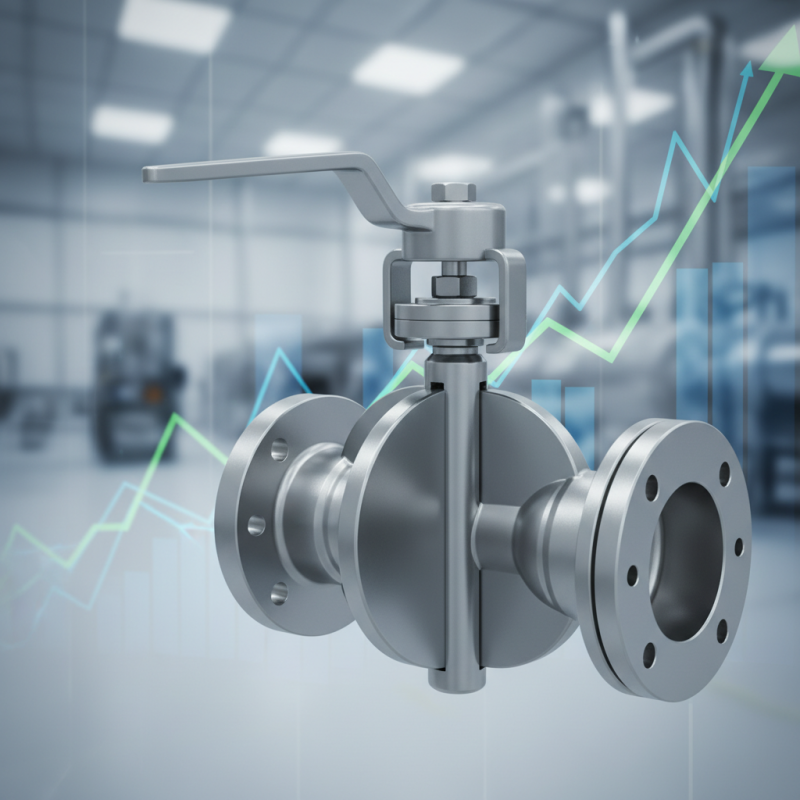
China has become a major player in the stainless steel butterfly valve market. The country's factories produce valves that meet international standards. Recent reports indicate that around 60% of these valves pass rigorous quality tests. However, some products still fail to meet expectations in terms of longevity and performance.
Quality often varies significantly across different manufacturers. A 2023 industry analysis shows that the top 10% of manufacturers achieve a reported defect rate of less than 2%. In contrast, others may see rates exceeding 10%. This inconsistency can make sourcing challenging. Buyers need to research suppliers' credentials and previous project outcomes before making a decision.
Pricing for stainless steel butterfly valves from China remains competitive. The average cost ranges from $30 to $100, depending on specifications. Yet, the cheapest options are not always the best. They may lack the quality control measures that ensure durability. It's crucial for buyers to balance cost and quality when selecting products. This approach can lead to better long-term investments in valve systems.
When considering the quality of butterfly valves in China, several factors play a crucial role. Material selection is fundamental. Stainless steel is preferred due to its resistance to corrosion. Studies show that over 60% of butterfly valves utilize 316 stainless steel, known for its durability. The quality of welding also impacts performance. Poor welding can lead to leaks and failures, undermining the valve's integrity.
Manufacturing processes significantly affect final product quality. The use of advanced technology can enhance precision and efficiency. Reports indicate that factories adopting CNC machining processes achieve a defect rate reduction of up to 30%. However, not all manufacturers prioritize these methods, leading to inconsistencies. Additionally, adherence to international standards like ISO 9001 is vital for ensuring reliability. Yet, compliance varies widely among Chinese manufacturers.
Finally, testing methods should not be overlooked. Valves must undergo rigorous testing to guarantee performance under varying pressures and temperatures. However, many manufacturers fall short in this area. Some do not adequately test their products, which raises concerns about reliability. The industry's need for improvement is evident. As the market grows, so does the expectation for higher standards in quality and safety.
Stainless steel butterfly valves are essential in many industries. Their durability and effectiveness make them a preferred choice. However, prices can vary significantly. This variability can confuse buyers. Understanding these price differences is crucial for making informed decisions.
Several factors influence the price of stainless steel butterfly valves. The quality of materials is one important aspect. Higher grade stainless steel often comes at a premium. Manufacturing processes also play a role. Valves made with advanced techniques may cost more. It’s wise to analyze these production methods when comparing prices.
Regional markets also affect pricing. In some areas, raw material costs can vary. Transportation and labor costs contribute too. An online comparison can provide insights but may not reveal the whole picture. Sometimes, cheaper valves might compromise quality. Investing in properly engineered options can save money long-term.
This chart shows the price variations of stainless steel butterfly valves across different sizes. As the diameter increases, the price also tends to rise accordingly.
Stainless steel butterfly valves are crucial in industrial applications in China. These valves are known for their durability and resistance to corrosion. The market for these valves is expected to grow significantly, driven by increasing demand from the oil and gas sector. According to a recent industry report, the stainless steel butterfly valve market is projected to reach USD 1.5 billion by 2025, with a compound annual growth rate (CAGR) of over 5%.
Several top manufacturers lead the production of stainless steel butterfly valves in China. They use advanced technology to ensure precision and reliability. Many companies have invested in research and development to improve valve efficiency. These manufacturers are often recognized for their quality certifications, such as ISO 9001. Professional insights reveal that quality can vary significantly among suppliers. It is essential to research each manufacturer’s reputation and customer reviews.
Tips: Always consider the operating environment when choosing a valve. Corrosive substances will affect longevity. Evaluate technical support and warranty options before purchasing. Quality often dictates price, but cheaper options might lead to higher maintenance costs over time.
Selecting high-quality butterfly valves in China requires careful consideration. The materials used often determine valve durability. Stainless steel is a popular choice due to its resistance to corrosion and wear. Ensure the steel meets relevant standards to guarantee longevity.
Understanding the manufacturing processes is also essential. Look for factories that implement strict quality control measures. These can include testing for leaks and pressure resistance. Engaging with local experts can provide insights into the reliability of manufacturers. Sometimes, lower prices might indicate compromised quality. Be prepared to invest wisely in your choice.
Lastly, user reviews can be informative. However, not all feedback reflects real-world performance. There may be instances where reviews are overly positive or negative. Assessing multiple sources can give a clearer picture. Cultivating relationships with suppliers fosters better negotiations and understanding of your specific needs.
| Valve Size (inches) | Material | Price (USD) | Pressure Rating (PSI) | Operating Temperature (°C) | End Connection Type |
|---|---|---|---|---|---|
| 2 | Stainless Steel 304 | 45 | 150 | -20 to 120 | Flanged |
| 4 | Stainless Steel 316 | 85 | 200 | -20 to 150 | Wafer |
| 6 | Stainless Steel 304 | 120 | 150 | -10 to 130 | Flanged |
| 8 | Stainless Steel 316 | 180 | 150 | -20 to 140 | Wafer |
| 10 | Stainless Steel 304 | 240 | 150 | -10 to 160 | Flanged |
How can we help you?
Call to 0034 943884600 Contact usWe use cookies to ensure that we give you the best experience on our website. If you continue without changing your settings, we'll assume that you agree to receive cookies on the HINE website. For more information read our cookie policy page, click the link for more information.plugin cookies
ACEPTAR