China Best Stainless Steel Pipe for Global Buyers?
In the world of manufacturing and construction, the demand for high-quality stainless steel pipes is consistently on the rise. Expert James Wong, a renowned specialist in the stainless steel pipe industry, once stated, “The reliability of stainless steel pipes shapes the future of infrastructure.” This highlights the importance of these pipes in global trade and construction projects.
China stands as a leading player in the stainless steel pipe market. With advanced technology and rigorous quality control, Chinese manufacturers provide products that meet international standards. As global buyers seek durability and strength, the choice of a reliable supplier becomes crucial. Stainless steel pipes from China offer an advantageous combination of quality and cost-effectiveness.
However, not all manufacturers uphold the same standards. It is essential for buyers to evaluate suppliers carefully. Some may prioritize cost over quality, leading to subpar products that compromise safety. Therefore, it is vital to conduct thorough research. Understanding the nuances of the stainless steel pipe industry helps in making informed decisions. The future relies on high standards and trusted partnerships.
China's Dominance in the Global Stainless Steel Pipe Industry
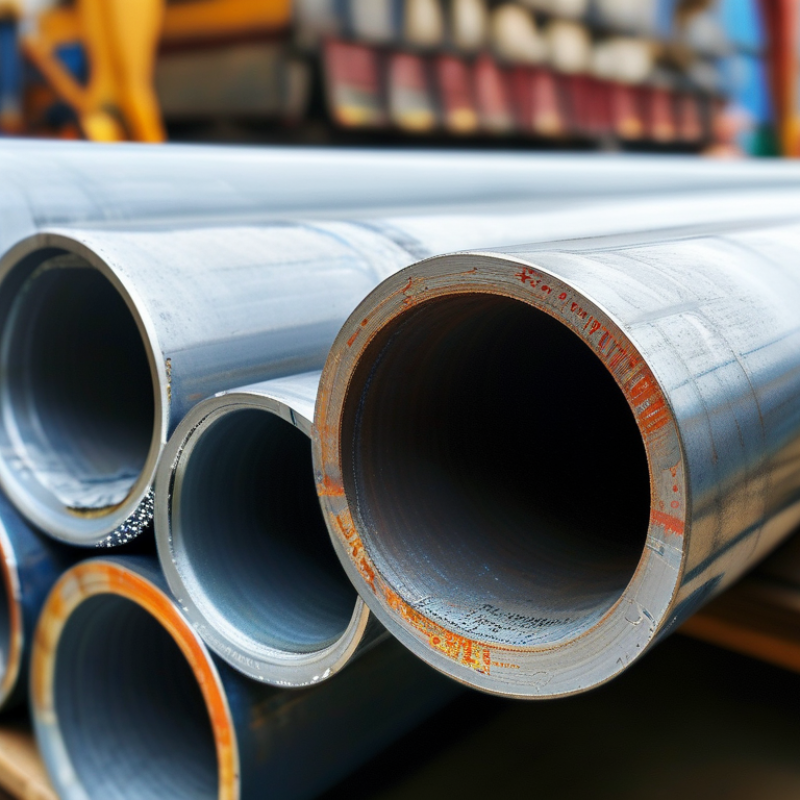
China has firmly established itself as a powerhouse in the global stainless steel pipe industry. According to recent reports, China accounts for over 50% of the world's stainless steel pipe production. The country's modern manufacturing facilities and skilled workforce contribute to the high-quality output, meeting the growing demand from industries such as construction, oil and gas, and automotive.
However, this dominance comes with challenges. Many Chinese manufacturers face scrutiny over environmental regulations and labor practices. Reports indicate that some factories struggle to maintain compliance with international standards. This affects not only their reputation but also their access to export markets. Transparency and sustainability will be critical for China to retain its competitive edge moving forward.
Furthermore, the market dynamics are shifting. As Chinese companies ramp up production, global competitors are also innovating. New technologies and alternative materials are entering the market, which could potentially disrupt China's stronghold. The ability of Chinese manufacturers to adapt and evolve in this rapidly changing landscape will determine their future success.
Key Manufacturing Processes for High-Quality Stainless Steel Pipes
The manufacturing of stainless steel pipes requires precision and expertise. Key processes include welding, seamless forming, and finishing. Each step plays a crucial role in ensuring the final product meets quality standards.
Welding techniques must ensure strong joints. A properly executed weld avoids leaks and enhances strength. Seamless forming is another critical method. It allows for pipes with uniform thickness and reduced risk of defects. However, achieving seamless integrity needs advanced machinery and skilled operators.
Finishing processes are essential for aesthetics and corrosion resistance. Polishing and passivation enhance the surface quality. Yet, oversight in quality control can lead to inconsistent results. There’s always room for improvement in these areas. Continuous training and adopting innovative technology are vital for maintaining high standards in stainless steel pipe manufacturing.
Market Trends: Demand and Supply of Stainless Steel Pipes in 2023
In 2023, the stainless steel pipe market has faced notable fluctuations. Global demand is expected to rise by 5% this year, primarily driven by the construction and automotive industries. According to a recent industry report, the Asia-Pacific region alone accounts for over 50% of global consumption. This indicates a robust market presence in countries like China, where production capacity continues to expand.
Supply chain challenges have also emerged. Increased raw material prices have impacted manufacturing costs. For instance, nickel, a key component in stainless steel, saw a 20% price increase in Q1 2023. Some manufacturers struggle to maintain competitive pricing amid these pressures. Companies are re-evaluating sourcing strategies to mitigate risks.
Additionally, environmental regulations are tightening worldwide. Many factories now face stricter emissions standards. While these regulations promote sustainability, they can also delay production. Companies are balancing compliance and efficiency, which raises concerns about maintaining supply levels. The market is evolving, but not without its challenges.
Comparison of Chinese Stainless Steel Pipes with Global Competitors
When comparing Chinese stainless steel pipes to global competitors, several factors stand out. China's manufacturing capabilities have advanced significantly. Quality control measures are improving, but inconsistencies still exist. Buyers should be cautious about the reliability of suppliers.
Chinese pipes often offer competitive pricing. This can attract buyers looking for cost-effective solutions. However, it is vital to examine the specifications and certifications. Some lower-priced options may compromise on durability and performance. For critical applications, such choices can lead to regret down the line.
Tips for buyers: Always request samples before making bulk purchases. This allows for a hands-on evaluation of quality. Be sure to check for international certifications. Also, consider long-term usage; investing a bit more now can save costs later.
Not every supplier meets the same standards. Researching and vetting suppliers is essential. Reach out to industry experts or consult reviews to ensure a reliable choice.
Quality Standards and Certifications for Stainless Steel Pipes in China
Stainless steel pipes produced in China adhere to various international quality standards and certifications. The most recognized standards include ASTM, ASME, and ISO certifications. These standards ensure that the pipes can withstand harsh conditions while maintaining structural integrity. For instance, a report by Research and Markets indicates that the global stainless steel pipe market is projected to grow at a CAGR of 4.2% from 2023 to 2028. This growth is partly due to China's robust manufacturing capabilities.
A critical aspect of quality in stainless steel pipes is material certification. Buyers often seek products made from high-grade materials such as 304 or 316 stainless steel. These grades offer excellent corrosion resistance, making them suitable for various applications. However, not all manufacturers meet these standards. A survey revealed that 20% of stainless steel pipes from unverified sources did not meet the expected quality criteria. This inconsistency can lead to operational risks, emphasizing the importance of choosing reliable suppliers.
Additionally, quality control processes play a vital role in maintaining standards. Many manufacturers employ techniques such as ultrasonic testing and hydrostatic testing. These methods ensure that pipes are free from defects. Yet, imperfect practices still exist. Some manufacturers may skip these tests to reduce costs. Buyers must remain vigilant, vetting suppliers to ensure compliance with relevant certifications and standards.