

In the dynamic world of Industrial Cable manufacturing, understanding the key players in China is essential for global buyers. Industry expert Dr. Richard Lee, a respected figure in cable technology, emphasized, "China leads in innovation and quality in the Industrial Cable sector." This observation highlights the significance of sourcing from reputable suppliers in China.
As buyers navigate this complex marketplace, they must consider factors such as product quality, manufacturing capacity, and technological advancements. Chinese suppliers are known for their competitive pricing and diverse range of products. However, it is crucial to conduct thorough research. Not every supplier meets the rigorous standards required for Industrial Cable applications.
Trustworthy suppliers can significantly impact project outcomes. Working with unreliable partners can lead to costly mistakes. Buyers should prioritize suppliers with a proven track record and high-quality certifications. In this evolving landscape, informed decisions will drive successful collaborations in the Industrial Cable industry.
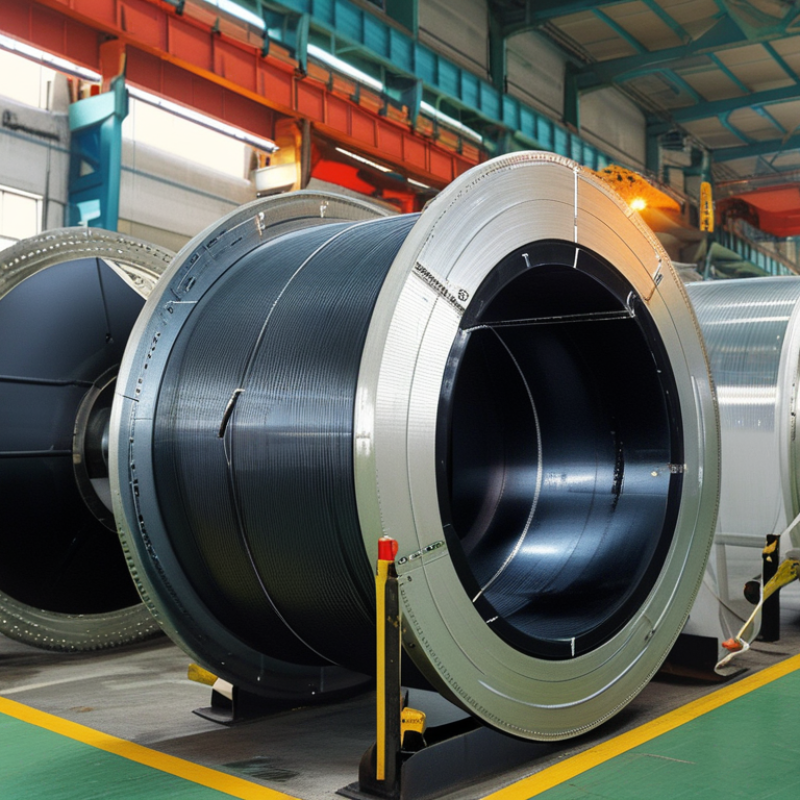
China's industrial cable industry has seen significant growth in recent years. This surge reflects a robust demand across various sectors, including energy, telecommunications, and manufacturing. The market size has expanded rapidly, driven by urbanization and infrastructure projects. The industry's scale positions China as a key player in global supply chains.
As of late 2022, the market's value reached several billion dollars. Many manufacturers focus on innovation and efficiency. However, challenges remain, such as rising competition and environmental concerns. The shift towards sustainable practices is gaining momentum. Companies are increasingly adopting eco-friendly materials and production methods, although it is still a work in progress.
Moreover, quality control plays a critical role in maintaining industry standards. Many suppliers struggle to meet high international requirements. Regulatory pressures are also affecting operations, pushing some companies to adapt or risk falling behind. These dynamics can create unpredictability for global buyers seeking reliable partners in China’s industrial cable sector.
China's industrial cable manufacturing sector plays a pivotal role in the global market. Data from industry research shows that the country accounted for over 40% of the world’s cable production in 2022, highlighting its dominance. While many local players contribute, specific companies stand out for their innovation and output capacity.
Recent forecasts indicate a growing demand for high-performance cables, particularly in renewable energy and smart grid applications. Industrial analysts expect the market for industrial cables in China to grow at a CAGR of about 7% from 2023 to 2028. This trend underscores the need for manufacturers to adapt quickly and meet these shifting demands. However, the rapid growth can also lead to shortcomings in quality assurance and regulatory compliance among some suppliers.
Despite the robust production capabilities, challenges remain. Variability in materials and technological advancements necessitates continuous improvement. Manufacturers must focus on not just meeting current demand but also anticipating future needs. Industry reports suggest that enhancing collaboration with technology partners could address some of these challenges. The landscape is competitive, and the ability to innovate will define the success of key players in this crucial sector.
China has become a leader in the industrial cable sector, largely due to its commitment to technological innovations. Data shows that the country produced over 100 million kilometers of various cables in 2022. This impressive figure reflects advancements in production techniques and material science. For instance, the introduction of advanced insulation materials has improved both durability and performance in extreme conditions.
Manufacturers are now employing smart technologies in cable production. Automation and artificial intelligence are streamlining processes and reducing waste. Industry reports indicate that these innovations can enhance productivity by up to 25%. However, challenges remain. Some companies still rely on outdated methods, risking quality and efficiency. This inconsistency in production can lead to supply chain disruptions.
Tip: Embrace new technologies but assess their integration into your current processes. Failing to adapt could hinder progress. Investing in training for staff can also enhance production capabilities. Continuous improvement is crucial in this fast-evolving market. Therefore, staying informed on industry trends will help maintain competitiveness.
| Supplier Type | Production Capacity (per year) | Key Products | Technological Innovations | Market Presence (Regions) |
|---|---|---|---|---|
| Copper Cable Manufacturer | 200,000 km | Power Cables, Data Cables | High-speed wire drawing technology | Asia, Europe, North America |
| Fiber Optic Cable Supplier | 150,000 km | Single-mode and Multi-mode Fiber | Automated fiber splicing technology | Global |
| Specialized Industrial Cables | 80,000 km | High-temperature and flame-retardant cables | Advanced polymer insulation | Asia, Africa |
| Low Voltage Cable Manufacturer | 300,000 km | Power Cables, Control Cables | Eco-friendly materials and reduced emissions | Europe, Oceania |
China's cable industry is witnessing significant growth, driven by rising global demand. According to a recent report, the global market for industrial cables is projected to reach approximately $250 billion by 2025, with China's market share estimated at around 35%. This figure underscores China's vital role as a major supplier for numerous industries, including renewable energy and telecommunications.
The increasing focus on renewable energy sources is a key factor influencing this demand. In 2022, investments in green technology skyrocketed, propelling cable applications in wind and solar projects. Industry experts indicate that the market for high-performance cables in these sectors will expand by 8% annually. However, challenges remain. Quality assurance and compliance with international standards are critical. Issues related to product reliability often lead to delays in projects and elevated costs.
As global buyers seek to diversify their supply chains, understanding local market conditions in China is essential. Reports highlight fluctuating raw material prices and potential supply chain disruptions. The balance between price competitiveness and product quality must be carefully managed. Stakeholders must consider these factors to mitigate risks and ensure sustainable procurement practices in the cable sector.
China's cable export industry faces a complex regulatory landscape that significantly impacts its growth. Changes in local and international regulations can alter trade dynamics. Compliance with environmental standards and labor laws is crucial. Companies must navigate these regulations to ensure continued market access.
Trade tariffs and import restrictions can diminish competitiveness. Buyers need to be aware of these challenges. Staying informed about regulatory shifts can help mitigate risks when sourcing cables from China.
Tip: Regularly review the latest regulatory updates to stay compliant. Understanding local laws is essential in avoiding penalties.
Market transparency is also essential. Buyers should seek reliable sources and documentation from suppliers. This practice fosters trust and ensures product quality. Engaging with industry experts can bring insights into potential regulatory changes.
Tip: Establish clear communication channels with suppliers. This facilitates understanding of any compliance issues that may arise.
How can we help you?
Call to 0034 943884600 Contact usWe use cookies to ensure that we give you the best experience on our website. If you continue without changing your settings, we'll assume that you agree to receive cookies on the HINE website. For more information read our cookie policy page, click the link for more information.plugin cookies
ACEPTAR