Why Choose a Liquid Nitrogen Dosing System for Your Business?
In the modern industrial landscape, efficiency and precision are paramount. A Liquid Nitrogen Dosing System can significantly enhance production processes. This innovative technology uses liquid nitrogen to create optimal conditions for various applications. It ensures that products remain stable and high-quality during processing.
Many businesses struggle with outdated systems. They face challenges like inefficiency and inconsistent product quality. A Liquid Nitrogen Dosing System addresses these issues effectively. It offers precise dosing, reducing waste and improving overall performance. Moreover, its versatility allows adaptation across different industries.
Understanding the benefits of a Liquid Nitrogen Dosing System is crucial. Companies must evaluate their needs carefully. Adopting such advanced technology can be a game-changer, yet it requires investment and training. Reflecting on your current processes may reveal areas needing improvement. Investing wisely in a Liquid Nitrogen Dosing System could yield excellent returns in the long run.
Benefits of Liquid Nitrogen Dosing Systems for Industrial Applications
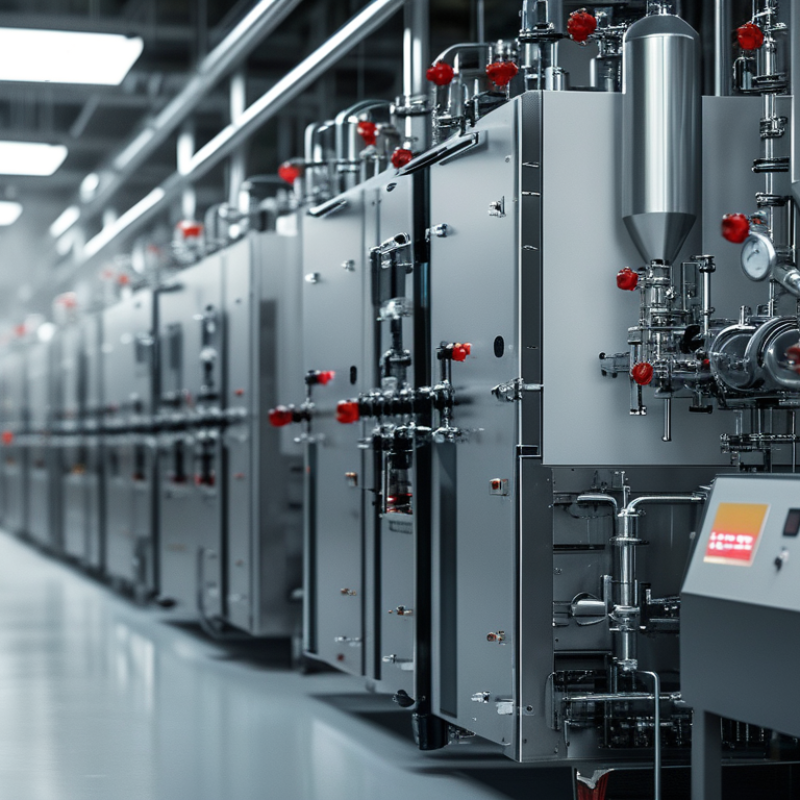
Liquid nitrogen dosing systems have gained popularity in various industrial applications due to their numerous benefits. These systems enhance product quality and increase efficiency. They can be especially useful in food processing, preserving freshness and extending shelf life. The rapid cooling by liquid nitrogen can also improve texture and flavor retention in culinary products.
Tips: Regular maintenance of your dosing system is crucial. Check for any leaks in the pipes. Ensure that the nitrogen supply is consistent to prevent disruptions.
In addition to food applications, liquid nitrogen is often used in pharmaceuticals and manufacturing processes. It aids in cryogenic freezing, which is essential for materials that require low temperatures. This method helps in preserving the integrity of sensitive products. However, managing these systems can be complex. Operators must receive proper training to handle the equipment safely and effectively.
Tips: Invest in quality training for your team. Assess their understanding of safety procedures regularly. Consider creating a checklist for daily operations to ensure safety and efficiency.
Key Features of Liquid Nitrogen Dosing Technologies
Liquid nitrogen dosing systems offer innovative advantages for various industries, enhancing product quality and efficiency. One of the key features is precise temperature control. Studies show that maintaining optimal temperatures during production can increase product shelf life by up to 30%. This is crucial for industries like food processing and pharmaceuticals, where temperature fluctuations can lead to spoilage or reduced efficacy.
Another significant aspect is the automation of dosing processes. Automated systems reduce the risk of human error, ensuring consistent and accurate delivery of liquid nitrogen. According to market research, automation can improve operational efficiency by 25%, leading to significant cost savings. This reliability is paramount, as even minor dosage errors can compromise product integrity.
Tips: Regular maintenance of dosing equipment is essential. Neglecting this can lead to inefficiencies and increased costs over time. Also, consider investing in training for staff to ensure they understand the system's capabilities and limitations. Staying informed about the latest advancements in liquid nitrogen technology can also facilitate better decision-making in your operations.
Benefits of Liquid Nitrogen Dosing Systems
Cost Efficiency and Sustainability of Using Liquid Nitrogen
Liquid nitrogen dosing systems offer significant cost efficiency and sustainability for businesses. By utilizing liquid nitrogen for cooling and preserving products, companies can reduce energy consumption. According to a study by the International Institute of Refrigeration, up to 30% of energy can be saved through sophisticated nitrogen applications compared to traditional methods.
Businesses can also expect lower operational costs. Liquid nitrogen enables extended shelf life for perishable goods, minimizing waste. The Food Waste Reduction Alliance reports that reducing food waste by just 50% could yield $750 billion in savings annually. This highlights the financial benefits of implementing effective preservation techniques.
Tips: Consider conducting a lifecycle assessment to understand the full environmental impact of your operations. A small change in your preservation methods might lead to major savings and sustainability improvements.
Be cautious, though. Not every system is the same. It's crucial to evaluate your specific needs. Make sure to consult industry experts. They can provide insight into optimal dosing levels for your operations. Tailoring your approach ensures better performance and efficiency.
Why Choose a Liquid Nitrogen Dosing System for Your Business? - Cost Efficiency and Sustainability of Using Liquid Nitrogen
| Dimension | Description | Benefits | Estimated Cost Savings (%) |
| Energy Efficiency | Utilizes low temperatures for process optimization. | Reduces energy consumption. | 20% |
| Sustainability | Environmentally friendly and reduces carbon footprint. | Promotes sustainable practices. | 15% |
| Operational Cost | Minimizes waste and increases yield. | Lower costs associated with material loss. | 25% |
| Safety | Reduces risk of spoilage in sensitive products. | Enhances product quality and safety. | 10% |
| Versatility | Applicable in various industries (food, pharmaceuticals, etc.). | Increases operational flexibility. | Varies by industry |
Applications of Liquid Nitrogen in Various Industries
Liquid nitrogen is revolutionizing how various industries operate. Its applications range from food preservation to medical procedures. In the food industry, liquid nitrogen rapidly freezes products. This helps retain nutrients and flavor. It allows for longer shelf life and fresher taste. In healthcare, it’s used for cryopreservation. Cells and tissues can be stored safely for future use.
Tips: Ensure that your team is trained in handling liquid nitrogen. Safety is essential. Understand the risks associated with extreme cold.
In the pharmaceutical sector, liquid nitrogen plays a crucial role. It is used in the production and storage of vaccines. This process maintains the integrity of sensitive materials. In electronics, it helps cool components during manufacturing. This leads to better efficiency and longevity of the products.
Tips: Regular maintenance of the liquid nitrogen dosing system is vital. Check for leaks and ensure proper insulation.
These industries leverage liquid nitrogen for various benefits. Productivity increases, and costs can decrease. However, understanding its proper use is critical. Reflect on your processes to maximize the advantages of liquid nitrogen.
Choosing the Right Liquid Nitrogen Dosing System for Your Needs
When selecting a liquid nitrogen dosing system, it's crucial to understand your specific needs. Not all systems are created equal. Each business has unique requirements based on production scale, application, and safety standards. For instance, smaller operations might benefit from compact, portable units. In contrast, larger facilities may need more robust systems that integrate with existing equipment.
Analyzing your production processes can highlight the best options. Consider factors like dosage precision and the temperature control needed for your products. Some operations might require rapid cooling, while others focus on steady dosing. Consulting industry experts can offer insights into reliable systems that suit your operations. However, realize that even the most advanced systems can face challenges, such as maintenance issues or supply chain disruptions.
Reflect on your budget versus the potential return on investment. A cost-effective system could lead to savings, but it might compromise performance. Investing in a high-quality dosing system often pays off in the long run. Still, reassess your choices periodically to adapt to changing needs or advancements in technology.