

How to Choose an Industrial Vacuum Packaging Machine?

Choosing an Industrial Vacuum Packaging Machine is not simply a matter of selecting the largest pump or fastest cycle. The right equipment must match your products, packaging materials, production volume, and workplace conditions. A small food processor may need a compact chamber machine for sliced meat, cheese, or prepared meals. A high-output manufacturer may require a double-chamber or conveyor system with stronger sealing capacity. The difference becomes clear when operators manage hundreds of bags beside a warm production line.

Real production experience shows that vacuum performance is only one part of the decision. Seal temperature, bag thickness, product moisture, chamber size, and cycle time all affect final package quality. A machine that handles dry goods well may struggle with liquid-rich products. That assumption is often wrong. Buyers should examine pump oil requirements, cleaning access, spare-part availability, noise levels, and control-panel simplicity. Operators should be able to adjust settings without guessing. Clear displays matter during busy shifts.

Reliable selection also requires evidence, not impressive sales language. Request sample tests using your actual products and packaging films. Check seal strength after storage, transport, and repeated handling. Ask manufacturers for maintenance records, warranty terms, training support, and documented performance data. Independent technical advice can reveal limitations that brochures often overlook. No machine is perfect. A careful buyer should record rejected packages, maintenance interruptions, and operator feedback before approving a purchase. This practical information creates a more accurate basis for investment. The best Industrial Vacuum Packaging Machine is not necessarily the most expensive model; it is the one that delivers consistent protection, manageable operating costs, and dependable results in your real working environment.
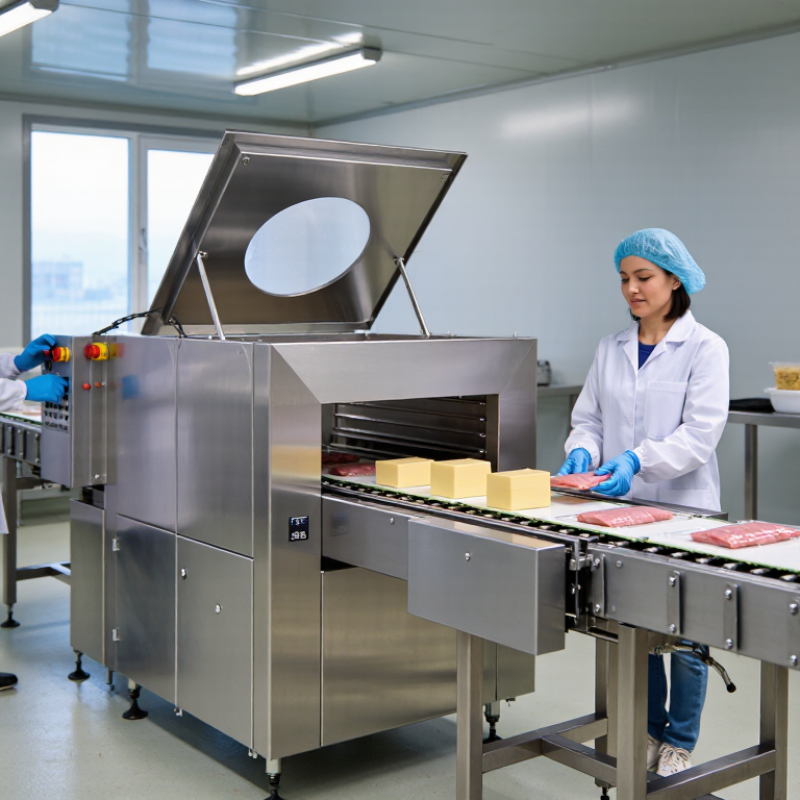
How to Choose an Industrial Vacuum Packaging Machine?

Understanding Industrial Vacuum Packaging Requirements

How to Choose an Industrial Vacuum Packaging Machine?

Understanding Industrial Vacuum Packaging Requirements

Choosing an industrial vacuum packaging machine starts with the product, not the machine catalog. A soft cheese, frozen fish, and sharp metal component create different packaging risks. Moisture can weaken seals. Sharp edges may puncture bags during vacuuming. Measure product dimensions, weight, temperature, and surface condition before requesting quotations. In plant trials, I have seen small size errors cause repeated seal failures. It is easy to overlook them.

Production volume also matters. Estimate bags per hour during the busiest shift, not an average day. A machine must match your required cycle time without stressing operators or pumps. Check chamber size, sealing bar length, vacuum level, and gas-flushing needs. For wet products, confirm whether the pump and chamber tolerate vapor effectively. Hygiene deserves equal attention. Smooth surfaces, accessible corners, and tool-free cleaning can reduce contamination risks. Still, specifications alone are not enough. Test real products using the intended bag material, because laboratory results may look better than production results.

Tips: Record seal temperature, vacuum time, and cooling time during trials. Inspect ten sealed bags after storage and handling. Ask technicians to explain maintenance intervals clearly. Leave capacity for seasonal demand, but avoid buying excessive power. A small mistake here becomes expensive. Recheck your assumptions.

Identifying Suitable Machine Types and Packaging Methods

How to Choose an Industrial Vacuum Packaging Machine?

Choosing the right machine starts with the product, not the equipment catalogue. Chamber machines suit irregular products, liquids, and small production batches. They remove air inside a sealed chamber, reducing package stress during sealing. Belt chamber machines support continuous production and heavier workloads. They work well when operators need steady loading and repeatable cycles. Thermoforming machines create the package from film rolls. They can reduce labor and material waste, but setup requires careful control.

Packaging method matters just as much. Standard vacuum sealing is useful for meat, cheese, prepared foods, and moisture-sensitive goods. Vacuum skin packaging holds the product tightly against a shaped tray. Gas flushing may be considered when appearance or product protection requires a modified atmosphere. Check film compatibility, seal width, product temperature, and expected shelf-life conditions. A reliable evaluation also measures leak rates, cycle time, cleaning access, and energy use. Small details matter. A weak seal can ruin a full pallet.

Tips: Test real products before purchase. Include liquid, sharp edges, and different package sizes. Watch the machine during cleaning, not only during a perfect demonstration. I have seen impressive trial results hide awkward loading steps. That mistake is easy to repeat. Ask operators to run the test. Their feedback may challenge the original specification. Also compare service response, spare-part availability, and documented safety procedures. The cheapest machine may become expensive when downtime interrupts production.

How to Choose an Industrial Vacuum Packaging Machine?

Typical throughput by machine type helps match equipment with product size, packaging format, and production volume. Values are indicative industrial ranges and vary with bag size, vacuum level, sealing time, and operator workflow.

Selection guidance: Chamber machines are suitable for flexible batch production, while thermoform-fill-seal systems are better for continuous, high-volume packaging with standardized product formats.

Evaluating Vacuum Performance, Capacity, and Sealing Features

Choosing an Industrial Vacuum Packaging Machine

Vacuum performance is the starting point. Check the pump’s vacuum level, evacuation speed, and stability during repeated cycles. A strong machine should remove air evenly without crushing delicate products. I have learned that maximum vacuum is not always the best setting. Some products need controlled suction to protect their shape and texture. Test actual packaging materials, not only empty bags.

Capacity should match your daily workload. Measure bag dimensions, product height, and the number of cycles per hour. A small chamber may slow production, while an oversized chamber can waste energy and workspace. Sealing features deserve equal attention. Review seal width, temperature control, cooling time, and pressure consistency. A reliable seal should remain smooth, clean, and secure after handling. My first equipment choice focused too much on speed. That was a mistake.

Tips: Run sample tests before purchase. Use the real product, bag, and filling level. Inspect seals after cooling, stacking, and mild pressure. Record cycle times and reject rates. Ask operators to test the controls. Their feedback may reveal awkward loading, unclear displays, or difficult cleaning points. Also check whether settings can be adjusted for different films. One fixed program rarely suits every product. Temperature sensors can drift, and maintenance may be overlooked. Leave room for calibration checks and practical training.

Checking Materials, Controls, Safety, and Maintenance Needs

How to Choose an Industrial Vacuum Packaging Machine?

Material compatibility should guide the selection. Test your actual film, bag thickness, and product shape before purchase. A machine may create a strong vacuum but still produce weak seals. During production trials, inspect seal width, wrinkles, and trapped liquid around the seam. For oily or moist products, choose controls that adjust vacuum time and sealing temperature. Do not guess.

Controls should be simple enough for operators wearing gloves. A clear interface, stored recipes, and visible pressure readings reduce mistakes between shifts. Check whether sensors detect incomplete sealing or unexpected pressure changes. Manual adjustment is useful, but unrestricted settings can cause inconsistent results. I have seen good equipment fail because workers could not understand its alarm messages.

Safety features deserve a hands-on inspection. Look for guarded sealing bars, emergency stopping, automatic lid release, and reliable electrical grounding. The vacuum chamber should open safely after a power interruption. Maintenance access also matters. Operators need to clean product residue without removing half the machine. Check pump oil levels, filters, gaskets, and sealing wires at scheduled intervals. Keep spare gaskets available; small leaks can waste hours. Record cleaning and repair dates, even when the machine appears fine. That record may reveal a slow decline before packaging quality becomes unacceptable.

Comparing Installation Costs, Efficiency, and Supplier Support

Choosing an industrial vacuum packaging machine requires more than comparing purchase prices. Installation costs include electrical work, floor space, compressed air, training, and validation. The U.S. Department of Energy reports that poorly maintained compressed-air systems can waste 20–30% of compressor output. Air-driven vacuum equipment may therefore increase hidden utility costs. Ask for connected-load data, commissioning hours, and cycle tests using your actual products. A cheap quote can become expensive.

Efficiency should be measured through output per labor hour, seal-failure rates, changeover time, and maintenance intervals. PMMI’s State of the Industry reports continue to identify labor availability and automation as major packaging investment drivers. Supplier support matters just as much. Require documented response times, spare-parts availability, remote diagnostics, and operator training. The UNEP Food Waste Index Report 2024 estimated 1.05 billion tonnes of food waste in 2022. Reliable seals may reduce avoidable spoilage, but packaging alone cannot solve waste. My early cost estimates would be too optimistic without production trials.

Tips: Build a 12-month total-cost model. Include energy, film, labor, service, and downtime. Request references from facilities with similar products. Test seal strength after cooling and transport simulation. Also, challenge promised throughput. Real factories have interruptions, inconsistent operators, and imperfect materials. Expecting laboratory speed is a common mistake.

How to Choose an Industrial Vacuum Packaging Machine?

Comparison of installation costs, efficiency, operating requirements, and supplier support for common industrial vacuum packaging configurations

Machine Configuration Typical Application Indicative Equipment Cost
(USD)
Installation Cost
(USD)
Typical Installation Time Throughput Range
(packs/hour)
Electrical Load
(kW)
Vacuum Level Estimated Labor Requirement Supplier Support Priorities
Single-Chamber Vacuum Machine Small-to-medium production batches, meat, cheese, seafood, and prepared foods $3,000–$12,000 $500–$2,000 1–2 days 60–180 1.5–4.0 Typically 0.5–5 mbar 1 operator per machine Basic training, seal-bar replacement guidance, and access to standard spare parts
Double-Chamber Vacuum Machine Medium-volume operations requiring continuous loading and unloading cycles $8,000–$25,000 $1,000–$3,500 1–3 days 120–360 2.5–7.5 Typically 0.5–5 mbar 1–2 operators Operator training, vacuum-pump commissioning, preventive-maintenance schedule, and remote troubleshooting
Automatic Belt-Type Vacuum Machine High-volume meat, poultry, seafood, and foodservice production lines $25,000–$75,000 $4,000–$12,000 3–7 days 300–900 6–15 Typically 1–10 mbar 1 operator plus line support On-site commissioning, conveyor and sealing calibration, operator certification, and defined service response times
Thermoform Vacuum Packaging Line Large-scale production of sliced meat, cheese, ready meals, and retail packs $80,000–$300,000+ $15,000–$50,000 1–3 weeks 600–2,400 25–80 Typically 1–10 mbar 1–3 operators plus maintenance support Line integration, tooling design, recipe programming, factory acceptance testing, and on-site production ramp-up
Automatic Tray-Sealing Vacuum System Retail-ready fresh foods, prepared meals, produce, and modified-atmosphere packaging $35,000–$150,000 $6,000–$25,000 4–10 days 300–1,500 8–35 Vacuum level depends on tray, film, and gas-flush process 1–2 operators plus line support Tray and tooling validation, gas-system setup, film compatibility testing, and sanitation training
Planning notes: Cost ranges are typical budgeting estimates for new industrial equipment and exclude building modifications, compressed-air systems, gas supply, conveyors, taxes, freight, and product-specific tooling. Throughput depends on package dimensions, product temperature, loading method, sealing time, vacuum-pump capacity, and required residual oxygen. A supplier should provide documented utility requirements, commissioning scope, spare-parts availability, warranty terms, training hours, and maximum service-response times before purchase.

Choose a global leader for your hydraulics solutions

How can we help you?

Call to 0034 943884600 Contact us
Call us Contact us

We use cookies to ensure that we give you the best experience on our website. If you continue without changing your settings, we'll assume that you agree to receive cookies on the HINE website. For more information read our cookie policy page, click the link for more information.plugin cookies

ACEPTAR
Aviso de cookies