

In the world of mining and mineral processing, choosing the right Flotation Equipment is crucial. Expert Dr. Emily Carter, a leading figure in mineral processing, states, "Selecting appropriate flotation equipment can define the success of your project." This highlights the importance of understanding your specific needs when it comes to flotation solutions.
Flotation equipment plays a significant role in separating valuable minerals from ore. With so many options available, it can be overwhelming to make a decision. Factors such as the type of mineral, the scale of operation, and the desired purity of the recovered material all influence your choice. Customization is key, yet it is often underestimated. A one-size-fits-all approach rarely yields the best results.
It's important to reflect on past experiences and learn from them. Sometimes, equipment may not perform as expected, leading to operational challenges. Learning from these setbacks can guide future decisions. Ultimately, the right flotation equipment can enhance efficiency and recovery rates, but only if chosen thoughtfully and with consideration for the unique demands of each project.
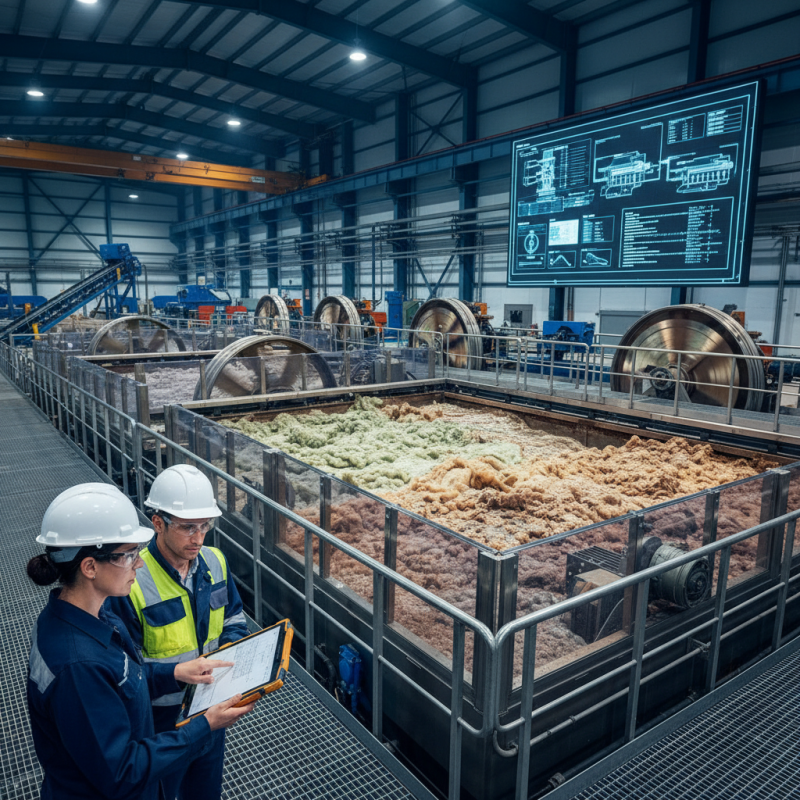
Flotation equipment plays a crucial role across various industries. It is commonly used in mining, wastewater treatment, and recycling. The equipment isolates valuable minerals from ores. It also removes contaminants from water. Understanding how flotation systems function can lead to better decision-making.
Each industry has unique requirements for flotation equipment. In mining, for instance, the goal is to maximize recovery rates. In wastewater treatment, the focus shifts to effluent quality and environmental impact. Not all flotation devices are equally effective. Factors like particle size and density must be considered. This complexity requires deep knowledge.
Choosing the right flotation equipment can feel overwhelming. Many factors influence performance, such as chemical reagents and retention time. Each project may bring new challenges, requiring ongoing adjustments. Reflecting on past choices can reveal insights. Decisions may need refinement to achieve optimal results.
When selecting flotation equipment, several key factors demand careful consideration. First, the specific application has a significant impact on your choice. For instance, mineral processing might require different features compared to wastewater treatment. Understanding these needs is crucial. In a report by the International Journal of Mineral Processing, 65% of operators noted that mismatched equipment led to decreased efficiency.
Another important aspect is the type of materials being processed. Fine particles may require more sophisticated flotation methods. The latest industry data indicates that increased air input can enhance recovery rates by up to 30% in certain instances. However, not all operations can support these adjustments.
Reliability is vital in ensuring consistent performance. When flotation systems fail, it can halt entire production lines. Research highlights that 70% of maintenance issues stem from improper equipment selection. Evaluating the durability and service life of components can prevent future complications. Balancing these factors ensures optimal performance tailored to your unique operational goals.
When it comes to flotation equipment, understanding the different types is crucial. Mechanical Flotation Machines are widely used in mining. They are effective for separating minerals from ores. Air bubbles are introduced into the slurry, allowing for the attachment ofgold, copper, and other materials. However, the efficiency can vary based on the type of mineral being processed.
Column flotation cells are another option. They offer a longer retention time for the material, enhancing the separation process. These cells are often used for cleaner operations. However, they may require more space and could lead to increased operational costs. Automated systems are gaining popularity, but they come with their own set of challenges. Balancing automation with human oversight is essential for optimal performance.
Another variant is the dissolved air flotation (DAF) system. DAF is utilized for wastewater treatment. This method can remove suspended solids effectively. However, it might not be suitable for all types of waste. The effectiveness depends on the specific contaminants present. Understanding your needs is essential in selecting the right flotation equipment. Each type has its strengths and weaknesses, and it's crucial to evaluate them against your operational requirements.
When evaluating the performance and efficiency of flotation equipment, various factors come into play. One crucial aspect is the equipment’s ability to separate materials effectively. This includes the size and shape of the air bubbles produced during the flotation process. Smaller, more uniform bubbles tend to enhance separation efficiency. The design of the flotation cell itself also matters. A well-designed cell promotes better flow dynamics, improving the overall recovery rates.
Another key consideration is energy consumption. Efficient flotation equipment minimizes power usage while delivering maximum output. High energy costs can significantly affect operational budgets, so understanding energy efficiency metrics is vital. Often, manufacturers provide data on energy consumption, but real-world performance can vary. Therefore, testing equipment under actual operational conditions is essential for a valid assessment.
Regular maintenance is necessary to sustain performance over time. Neglecting maintenance can lead to a decline in efficiency. Operators should develop a maintenance schedule and adhere to it strictly. However, even with good intentions, unforeseen issues may arise, leading to further reflection on operational practices. By focusing on these elements, operators can select flotation equipment that aligns more closely with their needs and goals.
Flotation equipment plays a vital role in various industries, so maintaining it properly is essential. Regular inspections can prevent unexpected breakdowns. Missing a minor issue could lead to significant costs later. Operators should ensure all parts are clean and functional, focusing on wear and tear.
Scheduled maintenance is crucial. Create a timetable to check critical components. Failure to do so may shorten the equipment's lifespan. Developing a dedicated maintenance team can enhance reliability. Additionally, invest in training for staff. Knowledgeable operators can quickly identify potential problems.
Documentation is often overlooked. Keeping records of maintenance activities builds a history. This not only helps spot recurring issues but also aids in future troubleshooting. Reflecting on past maintenance can highlight areas for improvement. Implementing feedback loops ensures better practices over time.
How can we help you?
Call to 0034 943884600 Contact usWe use cookies to ensure that we give you the best experience on our website. If you continue without changing your settings, we'll assume that you agree to receive cookies on the HINE website. For more information read our cookie policy page, click the link for more information.plugin cookies
ACEPTAR