

Choosing the right Custom Expansion Joint Flanges is crucial for the success of any engineering project. Expert engineer John Smith emphasizes, “Selecting the right flange is not just a choice; it’s a necessity for safety and performance.” His insights highlight the importance of understanding the specifications and materials that best suit your needs.
Custom expansion joint flanges are vital for allowing movement in piping systems. They accommodate thermal expansion and contraction, reducing stress on joints. Engineers must consider various factors, including pressure ratings and environmental conditions. It's important to note that not all flanges are created equal. The wrong choice can lead to significant issues down the line.
When deciding on custom expansion joint flanges, a thorough analysis of your project requirements is essential. Keep in mind the types of materials available and their compatibility with the media they will be exposed to. Striving for the perfect solution might not be feasible, but aiming for a well-informed choice can lead to better outcomes. Prioritize detailed specifications and collaborate with experts in the field.
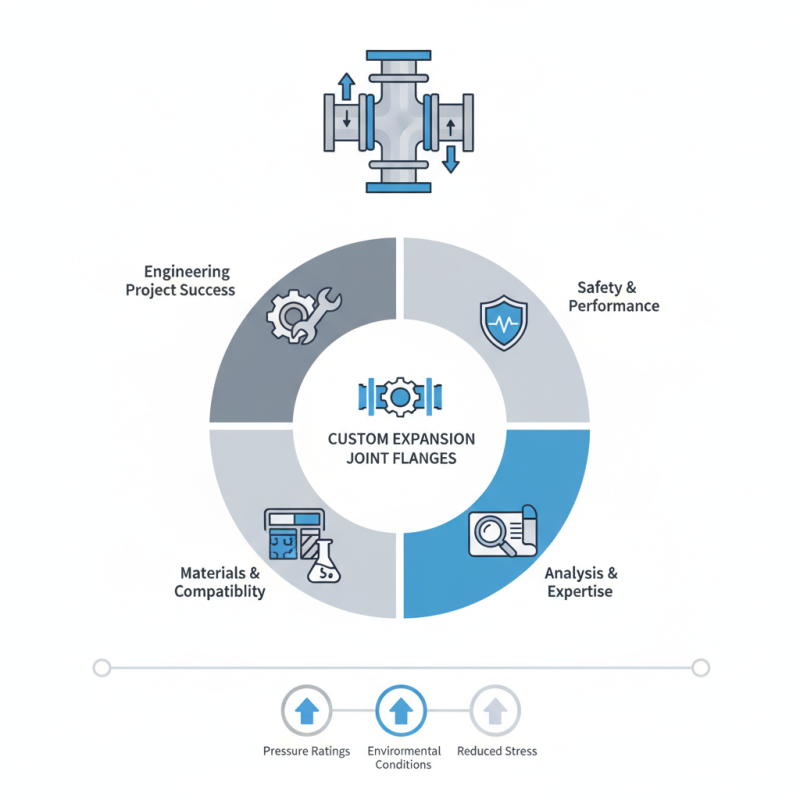
When selecting custom expansion joint flanges, several factors come into play. The material composition is critical. Different materials offer varied flexibility and resilience under stress. For instance, stainless steel may resist corrosion, while carbon steel provides strength. Knowing the environment where the flanges will be used is essential. High temperatures or extreme pressure can influence the choice.
Another key aspect is the size and dimensions of the flanges. Accurate measurements ensure a proper fit and function. Manufacturers often have specific requirements that should not be overlooked. The design of the joint itself is vital to accommodate movement and prevent leaks. Awareness of standard specifications versus custom needs can save time and resources.
It's also important to consider the manufacturer's experience and reputation. A knowledgeable supplier can offer valuable insights. However, not all manufacturers are the same. Always check for credibility. Engaging with experts can help navigate potential pitfalls. Reflections on previous projects may guide choices, yet challenges often arise unexpectedly.
When selecting materials for expansion joint flanges, durability and resilience are paramount. High molecular weight polyethylene (HMWPE) is recommended for its excellent impact resistance. Recent industry reports indicate that HMWPE can withstand temperatures ranging from -40°C to 80°C, making it suitable for diverse environments. Ensuring the right material helps prevent costly failures and increases project longevity.
Carbon steel is another popular choice. Known for its high tensile strength, it can resist heavy loads and stresses. However, its susceptibility to corrosion necessitates protective coatings or treatment. According to an ASTM study, properly coated carbon steel can last up to twice as long as untreated options in harsh conditions. This highlights the importance of meticulous material selection in infrastructure projects.
It's crucial to consider the specific environmental factors your project may face. Humidity, temperature fluctuations, and exposure to chemicals affect material performance. A detailed site assessment can inform better choices. While there are numerous materials available, focusing on the right specifications is essential. Ignoring these factors may lead to increased maintenance costs and operational setbacks later on.
When selecting custom expansion joint flanges, understanding pressure ratings is crucial. Pressure ratings determine how much pressure a flange can withstand without failure. Typically, these ratings are measured in pounds per square inch (psi). A study by the American Society of Mechanical Engineers (ASME) indicates that flanges with higher ratings often require thicker materials. This adds to their overall durability, but also increases cost and weight.
In practical applications, a flange rated for 150 psi might suffice for lower-pressure systems. However, in scenarios involving steam or aggressive chemicals, a 300 psi rating could be necessary. It’s important to analyze the specific requirements of your project. Pressure fluctuations can occur, and selecting a flange with an adequate safety margin is essential. Engineers often overlook these nuances, leading to future complications.
Materials also play a role in pressure rating. Stainless steel, for example, can handle higher pressures than other materials. A report from the International Organization for Standardization (ISO) notes that improper sizing or inadequate material choice can lead to leaks or failures. Always consult with a knowledgeable source when evaluating your options. Misunderstandings here can result in costly repairs down the line.
Choosing the right size and dimensions for custom expansion joint flanges is crucial for project success. Proper fit ensures equipment integrity and system efficiency. Undersized flanges may lead to leaks, while oversized ones can create unnecessary stress on pipelines. Each application presents unique challenges, and addressing these through careful sizing can save costs in the long run.
Measuring accurately is essential. Consider factors like pressure, temperature, and fluid type. These elements directly influence the flange size. Regularly revisiting and reassessing these requirements can enhance performance. However, it’s easy to overlook minor adjustments in measurements. A small error can escalate into major issues during operation.
Flange specifications should align with industry standards, yet many professionals underestimate this. Understanding these dimensions requires both expertise and practical experience. Consulting with engineers or industry experts can be beneficial. While personal experience is valuable, relying solely on one’s knowledge can lead to mistakes. Embracing collaboration can bring clarity to complex sizing decisions.
| Type | Material | Size | Pressure Rating | Temperature Limit |
|---|---|---|---|---|
| Standard Flanges | Stainless Steel 304 | DN 100 | 150 psi | -50°C to 200°C |
| Custom Flanges | Carbon Steel | DN 150 | 300 psi | -20°C to 350°C |
| High-Performance Flanges | Alloy Steel | DN 200 | 600 psi | -40°C to 450°C |
| Specialty Flanges | Nickel Alloys | DN 50 | 1500 psi | -200°C to 600°C |
When selecting custom expansion joint flanges, it is crucial to adhere to industry standards and compliance guidelines. These standards ensure quality and safety. They provide specifications for materials, dimensions, and performance. Familiarizing yourself with these guidelines saves time and enhances reliability. It’s important to consider the environment in which the flanges will operate. Temperature, pressure, and chemical exposure must all be accounted for.
Compliance with standards like ASTM and ASME can streamline your project. These organizations publish detailed requirements that help engineers and designers create effective solutions. Inadequate attention to these details might lead to premature failures. Perhaps a late-stage design revision could be avoided by thorough pre-design evaluations.
Additionally, engaging with experienced professionals can offer deeper insights into best practices. Seek consultations that focus on real project experiences. This can reveal common pitfalls and considerations often overlooked. Balancing compliance and practical application requires careful thought and expertise. Achieving the right fit and functionality starts with understanding these foundational guidelines.
How can we help you?
Call to 0034 943884600 Contact usWe use cookies to ensure that we give you the best experience on our website. If you continue without changing your settings, we'll assume that you agree to receive cookies on the HINE website. For more information read our cookie policy page, click the link for more information.plugin cookies
ACEPTAR