

Choosing the right Coiling and Packing Machine is crucial for manufacturers in various industries. The global packing machine market is expected to reach $45 billion by 2025, indicating a strong demand for efficient solutions. Companies must consider several factors to optimize their production lines.
Efficiency, reliability, and adaptability are key aspects of these machines. A study by Smithers Pira found that packaging machinery accounts for more than 25% of total production costs. This highlights the need to invest wisely. Selecting a Coiling and Packing Machine that meets specific production goals can enhance output and reduce waste. However, the variety of options can make this decision complex.
Assessing your production needs is vital. Many manufacturers experience setbacks due to inadequate machinery. Inadequate machines lead to delays and increased operational costs. Evaluating features, support, and maintenance will inform a better decision. Investing in technology is essential, but not without its pitfalls. Balancing between cost and functionality remains a common struggle.
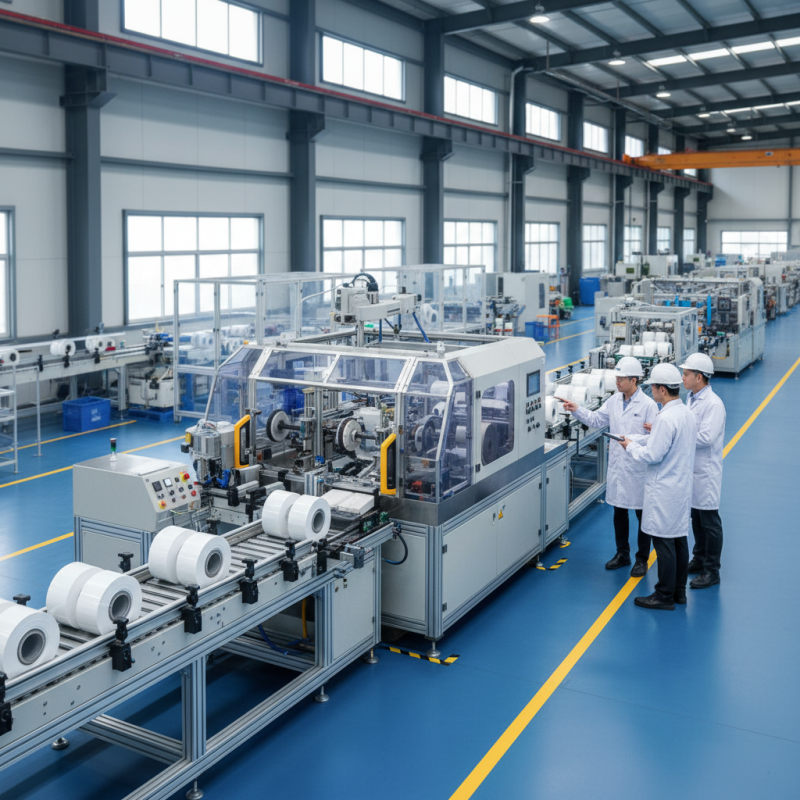
Choosing the right coiling and packing machine involves understanding various types. Each machine suits specific needs. Coiling machines, for instance, handle wires, cables, and tubes. They typically come in automatic and manual options. According to a recent report from the Packaging Machinery Manufacturers Institute, automatic machines have gained traction. They are often faster and reduce labor costs.
On the other hand, packing machines vary significantly in function and design. Vertical form-fill-seal machines are perfect for packaging granulated products. Horizontal flow wrappers excel in wrapping small items like snacks. The efficiency of these machines is crucial. An industry study suggested that efficient packing can reduce material waste by 30%. However, choosing the wrong type can lead to inefficiencies and increased operational costs.
A manufacturer's needs can evolve. Companies should consider future growth and product adjustments. Flexibility often becomes a key feature in modern machines. Sometimes, features might overlap, making the decision complex. Testing various machines before making a purchase can be helpful. Balancing cost and functionality is not always straightforward, as differences in specifications matter. Each machine type has strengths and weaknesses that may not always be clear at first glance.
| Machine Type | Best For | Speed (units/hour) | Features | Cost Range |
|---|---|---|---|---|
| Automatic Coiling Machine | High-volume production | 100-300 | Fully automated, adjustable tension, user-friendly interface | $20,000 - $50,000 |
| Semi-Automatic Coiling Machine | Medium-volume production | 50-150 | Operator assistance required, adjustable settings | $10,000 - $30,000 |
| Manual Coiling Machine | Small-scale production | 10-50 | Cost-effective, simple design, portable | $1,000 - $5,000 |
| Vertical Packing Machine | Liquid or powder products | 40-120 | Versatile packaging options, high accuracy | $15,000 - $40,000 |
| Horizontal Packing Machine | Solid products | 30-100 | Compact design, easy operation | $12,000 - $35,000 |
Choosing the right coiling and packing machine involves several key factors. Understanding your product requirements is crucial. Consider the size and shape of your items. A compact machine might fit smaller items, while larger products require more space. The machine’s speed is also essential. Faster machines can increase productivity, but they may compromise quality. Balance speed and quality based on your needs.
Another factor to think about is flexibility. Can the machine accommodate different sizes? A versatile machine can adapt to changing demands. This can save costs on future investments. Maintenance is yet another consideration. An easy-to-maintain machine saves time and money. Regular upkeep ensures longevity and efficiency.
Budget plays a significant role as well. However, don't compromise quality for a lower price. Evaluate the total cost of ownership. Cheaper machines may require more repairs. Sometimes, spending more upfront leads to better long-term savings. Lastly, don't rush the decision. Take time to analyze user reviews and performance reports. Real-world feedback can often highlight issues you might overlook initially.
When assessing production needs for coiling and packing machines, understanding your specific requirements is crucial. Think about the types of products you will be packaging. For instance, are you working with delicate items or robust materials? The nature of your products significantly impacts the choice of machine. The size and weight of the items should also be considered. If your product varies in size, it might complicate the packing process.
Volume requirements cannot be overlooked. Determine the daily, weekly, or monthly output you desire. Too often, companies underestimate their needs and invest in machines that cannot keep up with demand. This leads to bottlenecks and delays. On the flip side, overestimating volume might result in unnecessary costs with machines that are too powerful for current needs. Finding that balance between capability and budget is key.
Take time to analyze the efficiency of your production flow. Identify any weak points. Are there production stages that slow down the process? If your current setup isn’t meeting demands, it’s time to rethink. Engage your team in conversations about their pain points. Their insights can guide you toward a more suitable machine solution.
Choosing the right coiling and packing machine involves a careful examination of various features and specifications. One critical aspect is the machine's speed. A faster machine increases productivity but may sacrifice quality. It's essential to find a balance between speed and precision. Machines designed for high-speed operations may require frequent adjustments and maintenance.
Another key feature is the machine's adaptability. The best machines can handle different materials and sizes. This flexibility can save businesses time and costs when swapping production runs. Look for machines with user-friendly controls. Complex controls can slow operations down. Operators may need additional training, which can delay production.
Additionally, consider the durability of the components. Cheap materials can lead to frequent breakdowns. Investing in a sturdy machine might seem costly at first, but it often results in long-term savings. Reflect on the importance of maintenance routines too. Regular maintenance can prevent unexpected downtime. A machine that performs well today may not do so tomorrow without proper care.
When selecting coiling and packing machines, maintenance and support should be top priorities. Regular maintenance is essential for maximizing machine lifespan. According to industry reports, up to 25% of manufacturing downtime is due to equipment failures. Choosing machines with a solid support network can minimize this disruption.
Tips: Establish a routine maintenance schedule. Regular checks on key components can prevent major breakdowns. Identify your machine's most critical parts and monitor their condition closely.
Support options also matter. Evaluate the availability of technical support and spare parts. A machine with readily available parts can significantly reduce repair times. A survey showed that businesses with robust support services experienced 30% fewer breakdowns. While low-cost machines may tempt you, consider long-term costs.
Tips: Ask about service contracts during the purchasing process. Many reputable suppliers offer service packages that cover necessary maintenance. Investing in support can lead to smoother operations and prolonged machine life. Reflect on your operational needs and future growth to make an informed decision.
How can we help you?
Call to 0034 943884600 Contact usWe use cookies to ensure that we give you the best experience on our website. If you continue without changing your settings, we'll assume that you agree to receive cookies on the HINE website. For more information read our cookie policy page, click the link for more information.plugin cookies
ACEPTAR