How to Choose the Right Hydraulic Hose Fittings for Your Needs?
Choosing the right hydraulic hose fittings is crucial for many industries. According to a recent report by the International Fluid Power Society, improper fittings can lead to a 30% increase in equipment failure rates. This statistic underlines the importance of selecting the correct components for hydraulic systems.
Expert John Anderson, a leading figure in the hydraulic fittings industry, emphasizes, "Choosing the right hydraulic hose fittings can make or break a system’s efficiency." This insight highlights the critical nature of informed decision-making in this area. Flawed choices may not only increase downtime but also drive unexpected costs.
Many companies underestimate the significant role that hydraulic hose fittings play. They often focus on larger components, neglecting details that can impact performance. The right fittings improve safety, performance, and longevity of hydraulic systems. Understanding the selection criteria is essential. However, too often, companies overlook this priority. It is a clear invitation for reflection on best practices within the industry.
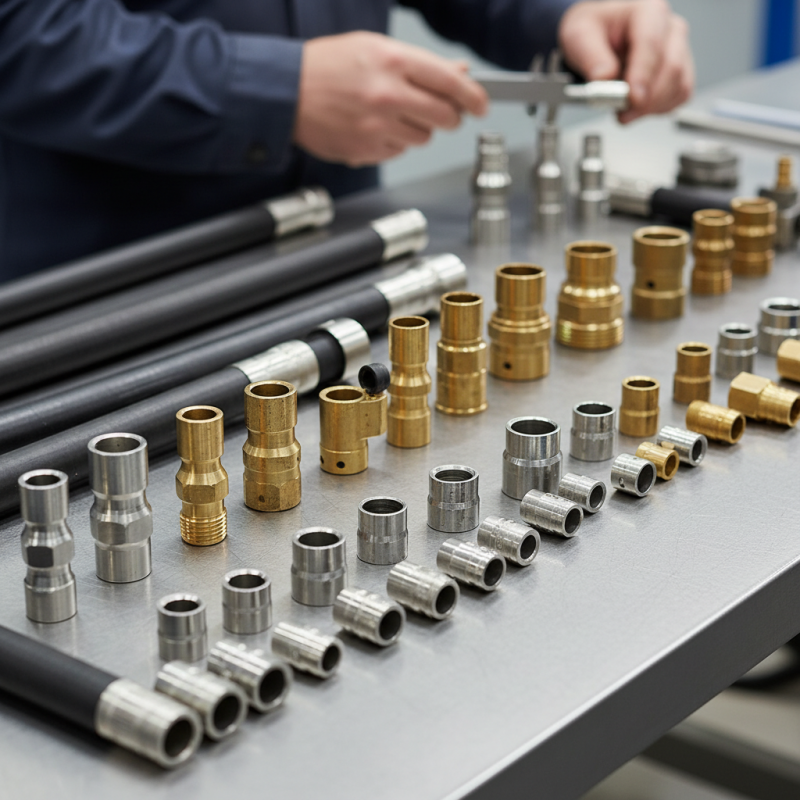
Types of Hydraulic Hose Fittings and Their Applications
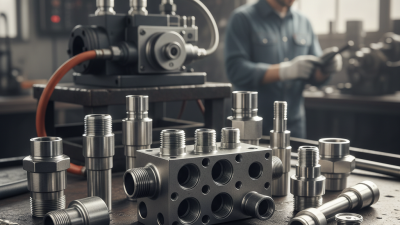
Choosing the right hydraulic hose fittings requires understanding their types and applications. Common types include male and female fittings, elbows, tees, and quick connections. Each serves unique functions in hydraulic systems.
According to industry reports, over 60% of hydraulic failures are due to improper fittings. For instance, a poorly selected elbow fitting can lead to heightened pressure loss. Elbows are typically used to change the direction of flow, but the wrong angle may cause turbulence.
Moreover, quick-release fittings are essential in operations requiring quick adjustments. However, they can create safety issues if not secured properly. Misalignment can lead to leaks, which may harm the environment or equipment. Being mindful of application, endurance, and compatibility is crucial in selecting a fitting. Ignoring these details can result in costly downtime and repairs.
Factors to Consider When Selecting Hydraulic Hose Fittings
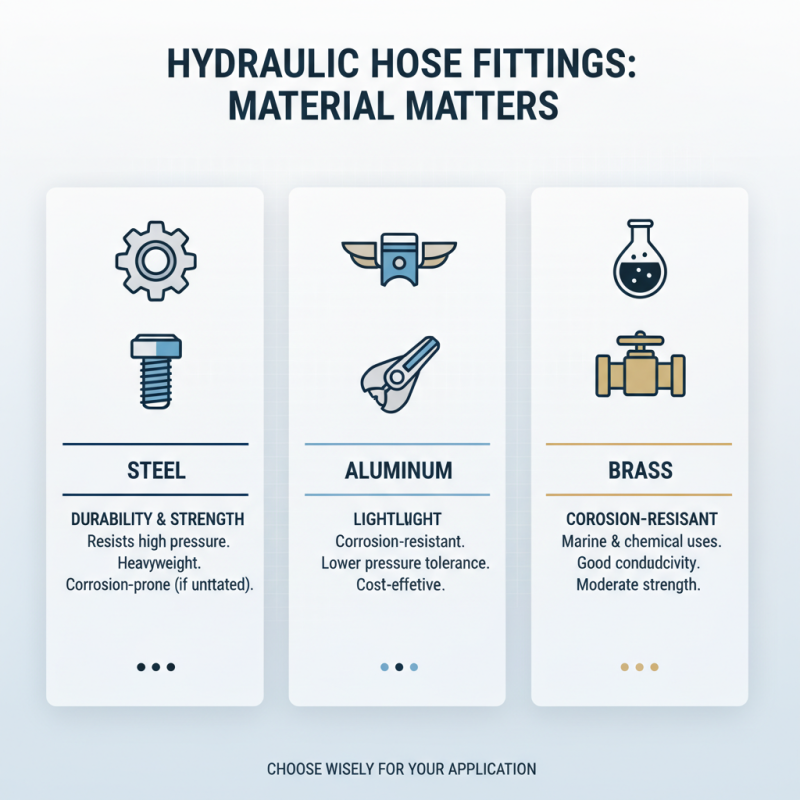
When selecting hydraulic hose fittings, there are key factors to consider. The material of the fittings is crucial. Common materials include steel, aluminum, and brass. Each has its own benefits depending on the application. Steel fittings offer durability but can add weight. Aluminum is lighter, yet may not withstand high pressures as well. Brass fittings are resistant to corrosion, making them suitable for various environments.
The size of the fitting is another important factor. Proper sizing ensures a secure connection and prevents leaks. According to industry reports, using a mismatched fitting can lead to a 30% reduction in efficiency. It can also increase the risk of system failure. Therefore, always measure the hose diameter and ensure compatibility.
Pressure ratings are vital as well. Each fitting comes with a specified pressure limit. Exceeding this limit can result in catastrophic failures. Many fittings are rated for pressures from 1,500 to 5,000 psi. Understanding the demands of your system will guide you in making an informed choice. Ignoring these specifications may lead to costly repairs or downtime.
Material Selection for Hydraulic Hose Fittings
Selecting the right material for hydraulic hose fittings is crucial. Common materials include steel, stainless steel, and aluminum. Each has different strength, weight, and corrosion resistance. Steel fittings are strong but can rust. Stainless steel resists corrosion but is heavier. Aluminum is lightweight but may not provide the same pressure ratings.
According to a report by the Fluid Power Society, corrosion-related failures account for about 30% of hydraulic system issues. Choosing the right material can reduce risk. For example, a study shows systems with stainless steel fittings had a 40% lower failure rate in marine environments. This highlights the importance of considering environmental factors when selecting materials.
However, material selection is not always straightforward. Budget constraints can limit options. Some may opt for less expensive materials, risking long-term performance. Understanding the application’s demands is essential. Consider flow rate, temperature, and operating pressure. A mismatch here could lead to leaks or system failures. Careful analysis is necessary for optimal performance.
How to Choose the Right Hydraulic Hose Fittings for Your Needs?
This chart illustrates the durability ratings of various materials used for hydraulic hose fittings. Steel ranks highest with a durability rating of 9, making it a preferred choice for high-pressure applications. Aluminum, while lighter, has a lower rating of 7. Brass and plastic are less durable at 6 and 5 respectively, and stainless steel offers a good balance with a rating of 8.
Understanding Hose and Fitting Compatibility
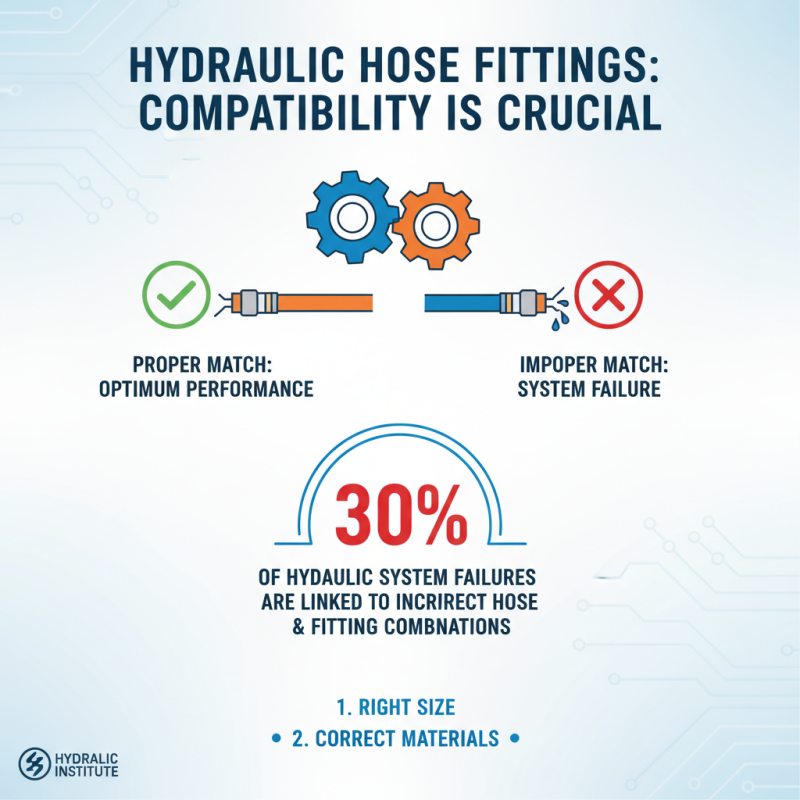
When selecting hydraulic hose fittings, compatibility is crucial. The hose must properly match the fitting type for optimum performance. According to the Hydraulic Institute, approximately 30% of hydraulic system failures are linked to improper hose and fitting combinations. This highlights the importance of not just choosing the right size but also the correct materials.
Different hose materials can handle various pressures and temperatures. For example, rubber hoses may not be suitable for higher pressure applications that require a thermoplastic alternative. Incompatible materials can lead to leaks or hose ruptures. Therefore, understanding the specifications of both hoses and fittings is vital.
Many users forget to consider the environment in which the hoses will operate. Factors like exposure to chemicals or extreme temperatures can impact performance. Additionally, informal feedback from industry professionals suggests that continual re-evaluation of compatibility, especially after system changes, is often overlooked. This can lead to costly maintenance and unplanned downtime.
Installation Tips for Hydraulic Hose Fittings
Installing hydraulic hose fittings can be tricky. Proper installation ensures safety and efficiency. Begin by checking your equipment's specifications. It’s vital to match the hose size and fitting type. A consistent connection prevents leaks.
When attaching fittings, apply the right torque. Too tight can damage the fitting; too loose can cause leaks. Use a torque wrench for accuracy. If you're unsure about the required torque, refer to installation guides or seek advice from knowledgeable sources.
Always inspect the fittings after installation. Look for signs of wear or misalignment. It’s easy to overlook small details. A slight misalignment can lead to bigger issues down the line. Take the time to make adjustments if necessary. Remember that the right installation can save you from costly repairs.