
How to Choose the Right Hydraulic Pump for Your Project?

Choosing the right hydraulic pump can seem daunting. It's a crucial part of various machinery and systems. The right hydraulic pump ensures efficiency and reliability in your project.

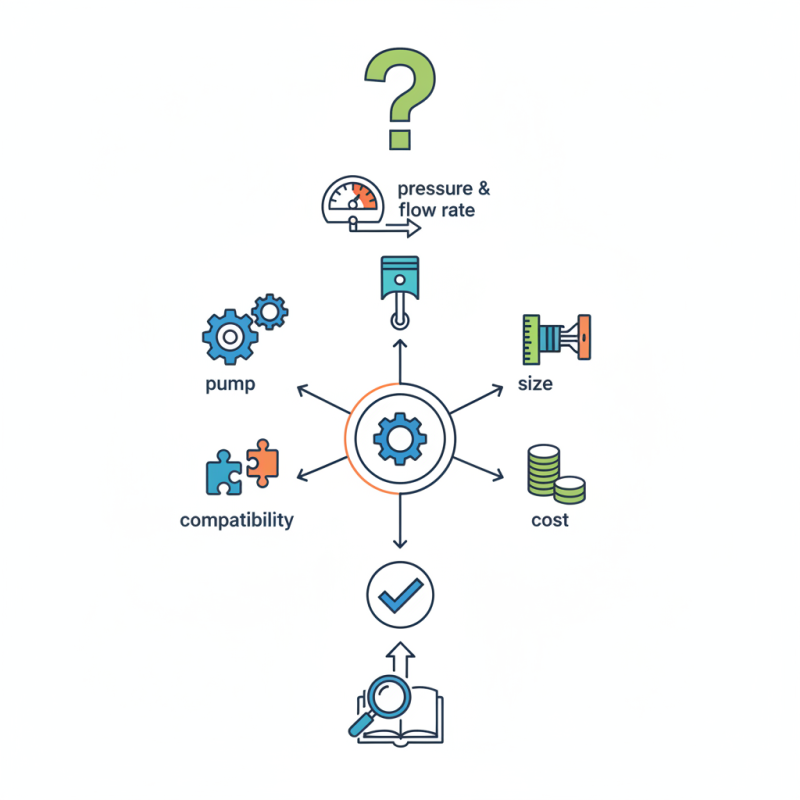
Start by assessing your specific needs. Consider the pressure and flow rate required for your application. Different types of hydraulic pumps exist, each with unique features. Some pumps work better in specific scenarios. Understanding these options can lead to better decisions.

Selecting a hydraulic pump isn't always straightforward. Factors like size, compatibility, and cost can complicate matters. Sometimes a pump that seems ideal may not perform as expected. This highlights the importance of thorough research and reflection before making a final choice.
How to Choose the Right Hydraulic Pump for Your Project?

Understanding the Basics of Hydraulic Pumps and Their Applications

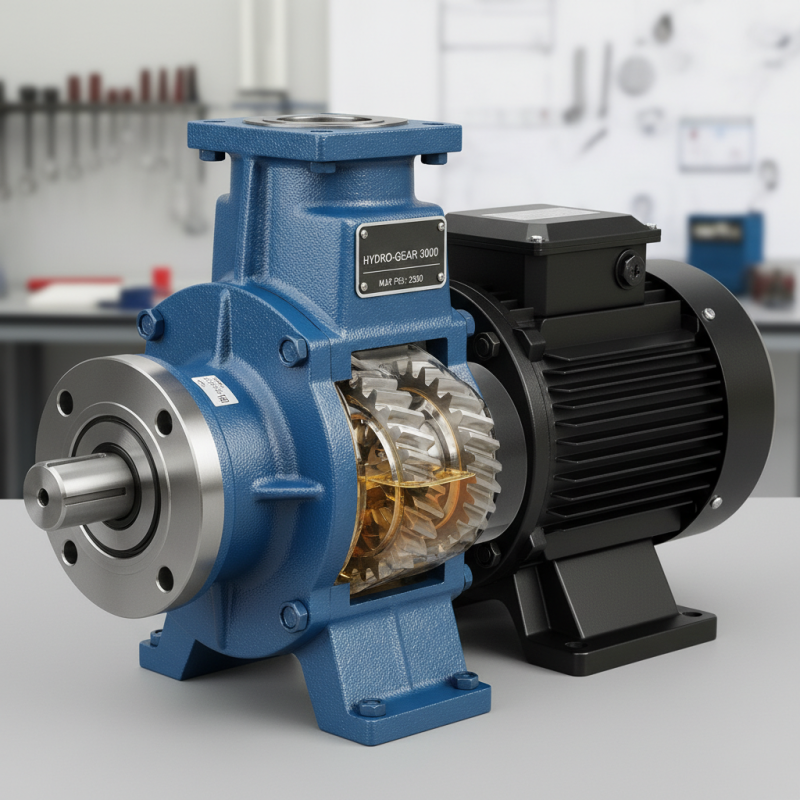
Hydraulic pumps are essential components in many projects. They convert mechanical energy into hydraulic energy. This process powers various machines and systems. Understanding their basics helps in selecting the right one.

Different applications call for different pump types. Gear pumps are great for low-pressure tasks. Piston pumps handle high-pressure needs. Consider the fluid type as well. Viscosity affects pump performance. If the fluid is too thick, expect inefficiency. Evaluate the expected flow rate too. Too much flow can lead to system damage.

Selecting the right hydraulic pump is not always straightforward. Factors like space and power supply complicate the decision. A common mistake is overlooking these details. Failing to match the pump with system requirements can lead to failures. Always double-check specifications before making a choice. Sometimes, seeking professional advice can save time and resources.
Identifying Your Project Requirements and Specifications

When selecting a hydraulic pump, understanding your project requirements is crucial. Define the system's pressure and flow needs. For example, typical hydraulic systems operate between 1,500 to 3,000 psi. This range determines the pump type suitable for your application. You should analyze the flow rate too. Reports show that construction projects often require 5 to 50 gallons per minute (GPM). Knowing these figures helps narrow the options.

Evaluate environmental conditions as well. If your project involves high temperatures or exposure to contaminants, you may need a specific pump type. For instance, mobile equipment may have heat concerns, while industrial applications might face dirt and moisture exposure. Consider the pump's materials and casing to ensure durability.

Don't overlook maintenance requirements. Some pumps demand regular upkeep, affecting long-term costs. According to a study, poor maintenance can reduce hydraulic efficiency by up to 30%. Balancing performance and maintenance ease is essential. A well-thought-out choice can lead to significant savings and extended pump life. Reflect on these elements carefully to ensure alignment with project goals.

How to Choose the Right Hydraulic Pump for Your Project?

Project Type Flow Rate (GPM) Pressure (PSI) Pump Type Efficiency (%)
Construction Equipment 30 3000 Gear Pump 85
Agricultural Machinery 25 2500 Piston Pump 90
Industrial Applications 40 4000 Vane Pump 88
Mobile Equipment 20 2000 Gerotor Pump 82
Marine Applications 15 1500 Gear Pump 87

Types of Hydraulic Pumps: Pros and Cons of Each

How to Choose the Right Hydraulic Pump for Your Project?

When selecting a hydraulic pump, understanding the different types is crucial. Each type comes with its own advantages and disadvantages. Gear pumps, for instance, are simple and robust. They deliver a steady flow and are often less expensive. However, they can be noisy and less efficient at lower flow rates. If your project requires high pressure, gear pumps might not be the best choice.

Piston pumps are another option. They offer high efficiency and can handle higher pressures effectively. Their design allows for variable displacement, providing flexibility in flow rates. Yet, they are typically more complex and costly. Maintenance can be more challenging too due to their intricate design. This complexity might not suit everyone’s needs, especially for smaller projects.

Lastly, diaphragm pumps are known for their ability to handle various fluids. They work well in applications needing containment of hazardous materials. But they can have limitations in flow rates and pressure output. Users should weigh these factors carefully. Choosing a pump isn’t just about functionality; it's also about understanding the project's demands and challenges. Consider the long-term implications and maintenance needs of each pump type as well.

Factors to Consider When Selecting a Hydraulic Pump

Choosing the right hydraulic pump involves careful consideration of several key factors. Start with the flow rate. This dictates how much fluid the pump can move. Ensure it aligns with your project's requirements. Too low a rate could lead to inefficiency. Too high may waste energy. Know your system's demands before making a choice.

Next, assess the pump's pressure rating. This number must match or exceed your system's maximum pressure. A mismatch can lead to failure or leaks. Moreover, think about the pump type. Gear, piston, and vane pumps each serve different needs. Understanding their mechanics is vital. Sometimes, research reveals insights that lead to better options. It’s easy to overlook details, but they are crucial for success.

Finally, consider the environment where the pump will operate. Will it face extreme temperatures or corrosive fluids? Look out for these challenges. Not all pumps are made equal. Sometimes, what seems like an obvious choice may actually fall short. Be prepared to rethink your options as new information comes to light.

Factors Affecting Hydraulic Pump Selection

Evaluating Performance Ratings and Manufacturer Recommendations

Choosing a hydraulic pump is crucial for project efficiency. Understanding performance ratings helps tremendously. The specifications often include flow rate, pressure, and efficiency. These metrics should align with project demands. However, they can be confusing. Not every pump with high ratings will suit your specific needs. Sometimes, you think a high-pressure pump is right, but it might not fit.

Manufacturer recommendations carry weight. Often, they provide insight based on practical experience. They know their products well. Yet, there are cases when their suggestions may not suit your unique setup. This can lead to compatibility issues. It’s valuable to analyze both the ratings and the suggestions critically. Talk to seasoned users or engineers. Their knowledge can guide your decision-making.

One must also consider the environment where the pump will operate. Factors like temperature and fluid type matter significantly. Ratings often don’t reflect those nuances. Always ponder these challenges. What works in one situation may fail in another. This thought process can prevent costly mistakes later on. Evaluating carefully ensures a successful project outcome.

Choose a global leader for your hydraulics solutions

How can we help you?

Call to 0034 943884600 Contact us
Call us Contact us

We use cookies to ensure that we give you the best experience on our website. If you continue without changing your settings, we'll assume that you agree to receive cookies on the HINE website. For more information read our cookie policy page, click the link for more information.plugin cookies

ACEPTAR
Aviso de cookies