How to Choose the Right Vertical Expander Machine for Your Needs?
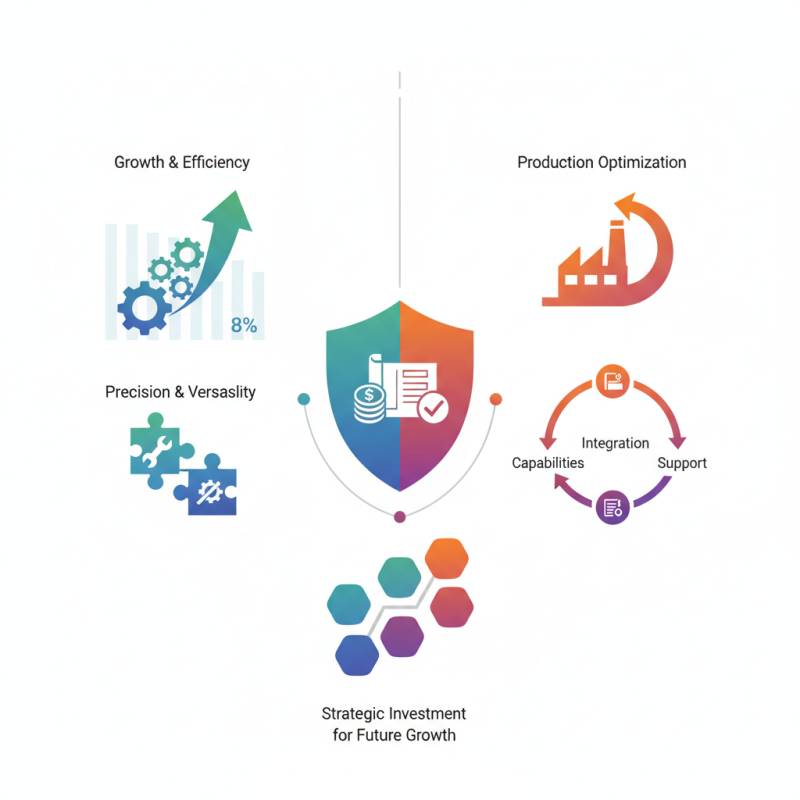
Choosing the right Vertical Expander Machine is crucial for optimizing production efficiency. The market is increasingly competitive, and manufacturers must prioritize advanced machinery. According to a recent report by Industry Insights, the global vertical expander machine market is projected to grow by 8% annually through 2025. This growth reflects the rising demand for precision and versatility in manufacturing processes.
Industry expert, Dr. Jennifer Lee, emphasizes, “Selecting the right vertical expander machine can significantly reduce operational costs and improve product quality.” Her insight underlines the importance of making informed choices. Factors such as machine capabilities, ease of integration, and support services should be considered.
However, many businesses overlook these elements during purchases. They often focus on price alone, which can lead to inadequate machinery that fails to meet production needs. It is essential to evaluate both technical specifications and user requirements. Making the right choice involves careful analysis and understanding of the unique demands of your operations. Investing in the right Vertical Expander Machine is not merely a financial decision; it’s a strategic move for future growth.
Understanding Vertical Expander Machines and Their Applications
Vertical expander machines serve a crucial role in various industries. They are designed to create a wider opening in materials without sacrificing the integrity of the structure. Common applications include metal forming and textile processing. Understanding their use can enhance operational efficiency.
When selecting a vertical expander machine, consider your specific needs. Material type, thickness, and desired width are vital factors. For metals, a robust machine is essential. In contrast, softer materials might require gentler handling. Always consult with experts or trusted sources to make informed choices.
Tips: Always assess the machine's capability for your workload. A machine that seems perfect may underperform if it lacks power. Regular maintenance is critical. Neglect can lead to decreased efficiency. Testing features on various materials before purchasing can reveal limitations.
In conclusion, understanding the diverse applications of vertical expander machines is key. By evaluating their specifications carefully,
you can make a well-informed decision tailored to your specific needs.
Key Factors to Consider When Selecting a Vertical Expander Machine
When selecting a vertical expander machine, several key factors must be evaluated. The primary consideration is the machine’s capacity. Different projects require different capacities. A well-chosen capacity enhances efficiency while minimizing downtime. Overstating capacity may lead to machine stress and operational failures.
Another crucial factor is the machine's build quality. Durable materials influence longevity and reliability. Machines made from high-quality components withstand rigorous use. Check for warranties and service options. This can indicate the manufacturer's confidence in their product.
Keep in mind the machine's size and weight. Consider your workspace and infrastructure. A large machine might be difficult to maneuver. Small machines may lack needed power. Additionally, assess the ease of use and maintenance. A user-friendly design can save time and increase productivity. Reflecting on these aspects helps in making a well-informed choice.
Comparing Different Types of Vertical Expanders on the Market
Choosing the right vertical expander machine involves understanding various models available on the market. Vertical expanders come in different types, each designed for specific applications. According to a recent industry report by Grand View Research, the global vertical expander market was valued at approximately $1.2 billion in 2022, indicating its growing importance in industrial processes.
When comparing types, consider the material handling capabilities of each machine. Some expanders excel in processing thicker materials, while others are designed for precision in thinner sheets. The right choice hinges on the specific needs of your operations. For example, machines with advanced controls offer better efficiency but may come with a steeper learning curve.
Tips: Look for models that come with user-friendly interfaces. This can reduce training time for new operators. Also, check the machine's maintenance requirements. Machines with higher reliability ratings tend to incur lower long-term costs. It’s crucial to weigh both initial investment and operational longevity before making your decision. Reflect on your current production needs to avoid under- or over-investing.
How to Choose the Right Vertical Expander Machine for Your Needs?
| Type | Max Material Width (mm) | Power Consumption (kW) | Weight (kg) | Price Range ($) | Key Features |
| Standard Vertical Expander | 1200 | 5 | 300 | 1500 - 2000 | Durable construction, adjustable speed |
| Heavy-Duty Vertical Expander | 1500 | 8 | 450 | 2500 - 3500 | High load capacity, enhanced control features |
| Compact Vertical Expander | 800 | 3 | 150 | 800 - 1200 | Space-saving design, easy installation |
| Automated Vertical Expander | 1800 | 10 | 600 | 3000 - 4000 | Fully automated operation, programmable settings |
Assessing Your Production Needs and Space Considerations
Choosing a vertical expander machine involves careful consideration of your production needs and available space. Prioritize understanding your production requirements. This includes the type of materials you’ll be working with and the volume of output needed. The machine should match your operational demands. A misalignment can lead to inefficiencies and increased costs.
Tip: Assess your current production line. Identify bottlenecks where a vertical expander could enhance efficiency. This can guide you in selecting the right model.
Space constraints are another critical aspect. Measure the area where the machine will be installed. Ensure there’s ample space for operation, maintenance, and potential future expansions. A cramped setup can hinder workflow and lead to safety hazards.
Tip: Consider mobility. Some machines offer compact designs for limited spaces. This flexibility can be beneficial for changing production needs.
Additionally, reflect on your future growth. Will your production needs increase? Selecting a versatile machine that can adapt to changes may save money in the long run. Prioritize your choices carefully.
Budgeting: Finding the Right Expander Machine within Your Price Range
When selecting a vertical expander machine, budgeting plays a crucial role. The market shows that small to mid-sized expander machines can range from $5,000 to $30,000. This wide range can complicate your decision-making process, as various factors such as features and specifications impact pricing. It's essential to balance your needs with what you can afford.
Tips: Determine your budget first. This will help you filter options. Analyze your production requirements before making a purchase. Understanding your operating capacity and frequency will guide you towards the right choice. Many professionals prioritize quality over price, yet some models may underperform despite high costs.
Additionally, consider cycle times and energy consumption. Efficient machines may have a higher upfront cost but save you money in the long run. Reports show that machines with faster cycle times can increase productivity by 25%. Investing in energy-efficient models can reduce operational costs by up to 15%. However, always scrutinize specifications; some machines may not deliver promised efficiency. Your choice should blend performance with budget, ensuring you make a well-informed decision.