

2026 How to Choose the Best Chicken House Equipment?

Choosing the right Chicken House Equipment is crucial for optimal poultry farming. According to a report by the Poultry Equipment Manufacturers Association (PEMA), farms with modern equipment can increase productivity by 20%. This makes investment in quality equipment a vital decision for farmers.

Dr. Helen White, an expert in poultry management, states, "The equipment you choose directly impacts the overall health and productivity of your chickens." This highlights the need for careful consideration in selecting the right tools.

Farmers must evaluate their specific needs and the environmental conditions of their farms. The equipment should enhance both the welfare of the chickens and the operational efficiency of the farm. Yet, many farmers overlook essential features. They may choose equipment based solely on price, risking their flock's well-being. Choosing wisely will lead to a more sustainable and profitable poultry operation.
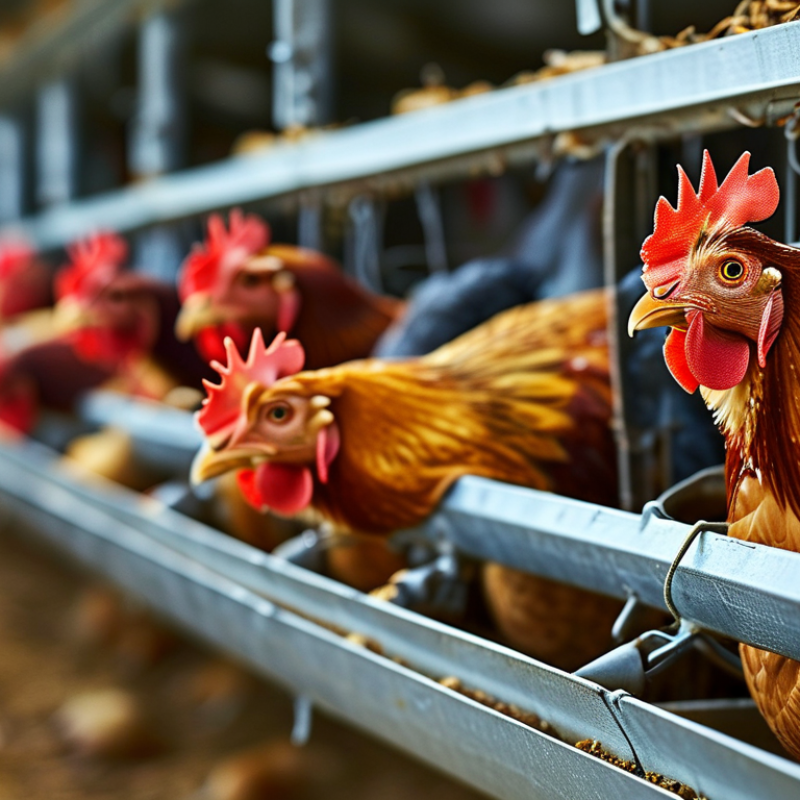
2026 How to Choose the Best Chicken House Equipment?

Factors to Consider When Choosing Chicken House Equipment

When choosing chicken house equipment, several factors come into play. The first consideration is the size of your flock. You need to ensure that the equipment can comfortably accommodate your chickens without overcrowding. Too many chickens in a small area can lead to stress and health issues.

Another critical element to think about is the climate in your area. Equipment should be suitable for both hot and cold weather. Proper ventilation keeps the house cool in summer, while insulated materials help heat during winter. This attention to detail enhances the welfare of the chickens.

Cost is also important. It’s essential to find equipment that fits your budget. However, spending less initially might lead to more significant expenses later. Look for durable materials that can withstand wear. Remember that functionality and practicality often outweigh flashy features. Investing in reliable and efficient equipment can impact your flock’s productivity.

Types of Essential Equipment for a Chicken House

Choosing the right equipment for a chicken house is critical to raising healthy birds. Essential equipment includes feeders, waterers, and nesting boxes. The size and layout of these items can significantly impact the birds' comfort and productivity. For example, adjustable feeders can cater to chicks as they grow, minimizing waste.

Consider the type of water system as well. Automatic waterers save time and ensure a constant supply of clean water. However, they require regular maintenance to prevent clogs and contamination. Nesting boxes should be private and clean to encourage egg-laying. Placement matters; they should be low enough for hens to access easily.

Ventilation is another key aspect that is often overlooked. Proper airflow keeps the environment fresh and reduces disease. Chicken houses need to be insulated as well to protect birds from extreme weather. Reflect on the layout you choose; it must facilitate easy cleaning and monitoring. Not everything will run perfectly, so be ready to make adjustments as needed.

Evaluating the Space and Layout for Chicken House Equipment

When designing a chicken house, space and layout are critical. Adequate space ensures each bird has room to move. Studies show that overcrowding can lead to stress, which affects health and production. A well-planned layout can enhance airflow, reduce disease spread, and improve overall efficiency.

Consider the recommended space per chicken. The ideal is about 3 to 4 square feet per bird in the house. This allows for comfortable living without unnecessary tension. Implementing proper zoning in the layout can also help. Separate areas for feeding, nesting, and roaming can streamline daily routines and promote better sanitation practices.

However, not every design is perfect. Some farms overlook natural light or ventilation. Insufficient light can lead to poor egg production. Additionally, improper airflow can increase humidity, leading to respiratory issues. A reflective approach to the layout can help identify and address these shortcomings. Evaluating each aspect critically and ensuring proper planning leads to a healthier chicken house environment.

2026 How to Choose the Best Chicken House Equipment? - Evaluating the Space and Layout for Chicken House Equipment

Equipment Type Recommended Space (sq ft) Layout Considerations Maintenance Frequency
Nesting Boxes 2-3 sq ft per box Should be placed in a quiet area, easy access for collection Weekly cleaning and checks
Feeding Troughs 1-2 ft per hen Ensure proper height for all ages, place away from roosts Daily refills and cleaning
Water Fountains 0.5-1 ft per hen Accessible to all hens, avoid damp areas Daily checks and refilling
Heat Lamps Varies by design Positioned to provide even warmth, away from bedding Monthly inspection for safety
Ventilation Systems Based on house size Proper placement to ensure airflow, consider seasonal needs Quarterly maintenance checks

Budgeting and Investment in Chicken House Equipment

Investing in chicken house equipment requires careful budgeting. You need to understand your specific needs. Assess the size of your flock and your farming goals. This will guide your equipment choices. Make a list of essential items like feeders, drinkers, and climate control systems. Each plays a role in maintaining chicken health.

Budgeting isn’t just about choosing the cheapest option. Quality equipment can save you money in the long run. It reduces maintenance costs and increases efficiency. Research different options thoroughly. Reach out to fellow farmers for their insights. Learning from their experiences can help you avoid costly mistakes.

Keep an eye on your finances as well. Unplanned expenses can arise during setup. You may need to set aside a contingency fund. Remember to factor in long-term costs, like energy consumption and replacement parts. Prioritize your spending on equipment that maximizes productivity. Balancing cost with quality is key to running a successful chicken house.

2026 Budgeting and Investment in Chicken House Equipment

Maintenance and Longevity of Chicken House Equipment

When choosing equipment for your chicken house, maintenance is key to ensuring longevity. Proper upkeep can prevent costly replacements. According to a report by the USDA, regular maintenance can extend equipment life by up to 30%. This is critical for feed systems, water lines, and ventilation equipment. For example, neglecting minor leaks in the water lines can lead to larger issues over time.

Tips: Perform weekly checks on all systems. Look for rust or wear on feeders. Schedule a professional inspection once a year. These proactive steps can save money in the long run.

Sanitation also plays a significant role in durability. Keeping equipment clean reduces disease risk and promotes optimal function. The National Chicken Council recommends using non-toxic cleaning solutions. These protect both your birds and your investments. While it's tempting to skip thorough cleaning during busy seasons, this can lead to expensive repairs.

Tips: Set a cleaning schedule. Involve your staff in routine sanitation. Invest in easy-to-clean materials where applicable. The right approach pays off, and the chickens will thrive.

Choose a global leader for your hydraulics solutions

How can we help you?

Call to 0034 943884600 Contact us
Call us Contact us

We use cookies to ensure that we give you the best experience on our website. If you continue without changing your settings, we'll assume that you agree to receive cookies on the HINE website. For more information read our cookie policy page, click the link for more information.plugin cookies

ACEPTAR
Aviso de cookies