2026 How to Choose the Best Hybrid Energy Storage System?
The rise of renewable energy technologies has led to an increased focus on hybrid energy storage systems. According to a recent report by Grand View Research, the hybrid energy storage market is expected to reach $16 billion by 2026, highlighting its growing importance in energy management. These systems combine various storage technologies, enhancing efficiency and reliability in energy supply.
Choosing the right hybrid energy storage system can be challenging. Factors such as application, energy capacity, and efficiency rates must be carefully considered. A study by Navigant Research indicates that the optimal configuration can improve energy resilience by up to 30% compared to traditional systems. However, not all solutions are created equal, and their effectiveness can vary widely.
Investors and businesses must assess their specific needs before selecting a system. While complex performance metrics such as round-trip efficiency and lifespan are crucial, external factors like regulatory compliance also play a role. Understanding these nuances can lead to informed decisions that maximize both economic and environmental benefits. The urgency to meet energy demands while reducing carbon footprints makes the exploration of hybrid energy storage systems vital.
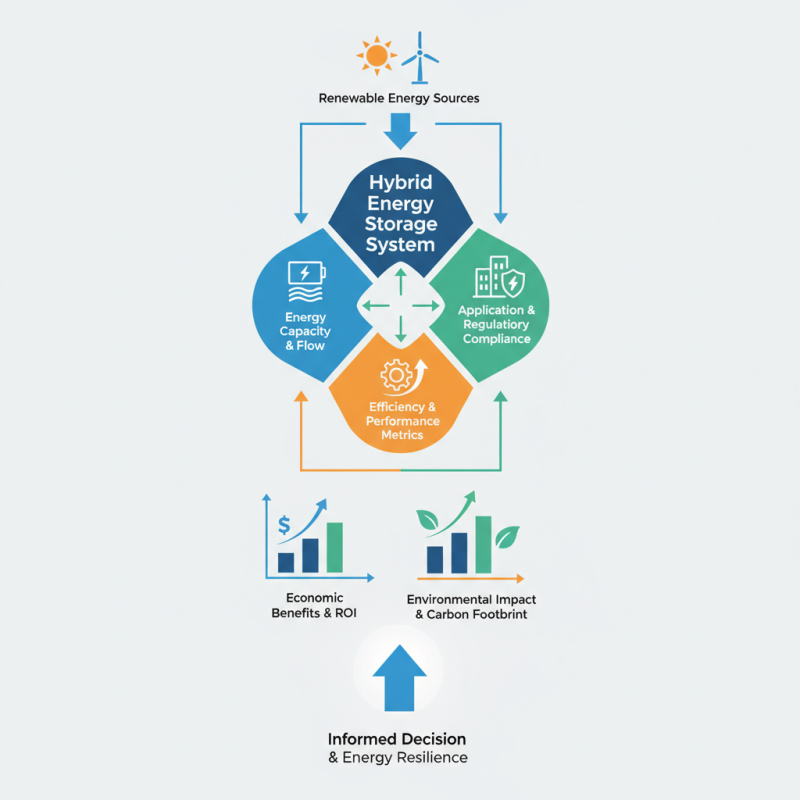
Hybrid Energy Storage Systems: An Overview of Key Technologies
Hybrid Energy Storage Systems (HESS) combine multiple technologies to enhance performance and reliability. These systems leverage advantages from batteries, ultracapacitors, and flywheels. For instance, batteries provide high energy density, while ultracapacitors excel in rapid power delivery. According to a recent report from the International Renewable Energy Agency, HESS can improve efficiency by up to 30%. This efficiency is crucial for applications in renewable energy integration.
Technological advancements in HESS are rapidly evolving. The global market for hybrid storage is projected to grow significantly, reaching an estimated $10 billion by 2027. This growth reflects a rising demand for solutions that balance energy supply and demand. However, the current technology has limitations, such as high upfront costs and complexity in system integration. This complexity can be a barrier for smaller projects, leading to a need for ongoing innovation.
When selecting a HESS, one must consider efficiency, cost, and usability. A systematic approach ensures that the chosen system aligns with specific energy goals. Not all systems will suit every application. Therefore, understanding each technology's strengths and weaknesses is vital for optimal performance. Each choice has its trade-offs, requiring careful analysis and reflection.
Evaluating Energy Density: Selecting the Right Balancing Components
When evaluating energy density for hybrid energy storage systems, several factors are critical. Energy density refers to the amount of energy stored per unit volume or weight. A study published in the *Journal of Energy Storage* indicates that high energy density solutions significantly reduce system size and weight. This is particularly important for applications in electric vehicles and renewable energy integration.
Selecting the right balancing components is crucial. These components manage the flow of energy and maintain system stability. Components such as converters and inverters directly influence performance. Industry reports reveal that inefficient components can lead to energy losses of up to 15%. This loss not only affects overall efficiency, but also raises operational costs over time. Thus, choosing efficient components ensures better energy management.
However, the process isn't always straightforward. The complexity of hybrid systems can lead to miscalculations in energy requirements. For instance, underestimating energy demand can result in inadequate performance. Regular assessments and simulations can help mitigate these risks. Understanding the interplay between energy density and component efficiency is essential for optimal hybrid energy storage solutions.
Energy Density Comparison of Hybrid Energy Storage Systems
Cost Analysis: Comparing CAPEX and OPEX of Hybrid Systems
When evaluating hybrid energy storage systems, cost analysis is crucial. Two financial aspects to consider are CAPEX and OPEX. CAPEX, or capital expenditure, involves the initial costs for equipment and installation. These costs can vary significantly based on the chosen technologies and configurations. A detailed breakdown of these expenses helps stakeholders make informed decisions.
On the other hand, OPEX, or operational expenditure, includes ongoing costs. This encompasses maintenance, monitoring, and energy costs. These expenses can fluctuate over time, particularly as technology evolves. It’s essential to consider these long-term implications when assessing the overall financial viability of hybrid systems.
Investing in hybrid energy storage often presents a trade-off. While CAPEX might be high, the potential savings in OPEX can lead to overall cost reduction. However, not all setups yield the same results. Some systems may have hidden costs that emerge with time. Reflecting on these factors can sharpen decision-making and highlight flaws in initial forecasts. Adjustments based on real-world performance can improve outcomes and bolster reliability.
2026 How to Choose the Best Hybrid Energy Storage System? - Cost Analysis: Comparing CAPEX and OPEX of Hybrid Systems
| System Type | CAPEX ($/kWh) | OPEX ($/kWh/year) | Lifespan (Years) | Efficiency (%) |
| Li-ion + Supercapacitor | 300 | 15 | 10 | 90 |
| Lead Acid + Flywheel | 200 | 25 | 7 | 80 |
| NaS + Battery | 400 | 20 | 15 | 85 |
| Redox Flow + Li-ion | 350 | 22 | 12 | 88 |
| Compressed Air + Battery | 250 | 30 | 20 | 75 |
Performance Metrics: Understanding Efficiency and Lifespan in Storage
When selecting a hybrid energy storage system, understanding performance metrics is key. Efficiency is crucial for determining how much energy the system can effectively store. A system with high efficiency means less energy waste. Lifespan also plays a vital role; longer lifespan systems provide better long-term value. Look at the manufacturer’s specifications to gather data on both metrics.
Tips: Always ask for detailed efficiency ratings. These ratings help you compare different systems effectively. Lifespan estimates are not always accurate. Keep in mind that environmental factors can affect performance over time.
Another aspect to consider is maintenance. Regular checks can prevent performance degradation. Look for systems that require less frequent maintenance. This can save you time and resources. However, don't ignore the importance of routine assessments. Skipping these can lead to unexpected issues down the line.
Tips: Create a log for maintenance checks. Tracking performance can alert you to any potential problems early. Stay informed about your system’s operational requirements to maximize both efficiency and lifespan, and adapt as needed.
Integration Challenges: Connecting Hybrid Systems with Renewable Sources
Integrating hybrid energy storage systems with renewable sources presents unique challenges. One primary concern is ensuring compatibility between different technologies. Renewable sources, such as solar and wind, produce variable output. Thus, they must be paired carefully with energy storage solutions. Industry reports reveal that approximately 35% of renewable energy projects face integration issues, often stemming from mismatched operational characteristics.
The performance of hybrid systems relies heavily on advanced control algorithms. These algorithms manage energy flow and maximize efficiency. However, implementing these can be complex. Data from recent studies indicate that successful integration leads to a 20-30% improvement in energy efficiency. Yet, many systems fail to reach their potential due to inadequate communication protocols.
Tips for successful integration include investing in comprehensive feasibility studies. Understanding site-specific dynamics ensures better decision-making. Collaborate with experts in energy management systems for tailored solutions. Continuous monitoring of system performance can also reveal areas for optimization. This iterative process helps navigate the inherent uncertainties in hybrid storage integration.