

7 Tips for Choosing a Chrome Plated Valve
Selecting a Chrome Plated Valve is not simply a matter of choosing the brightest finish. The wrong valve can develop pitting, leaks, or damaged threads under demanding service conditions. This guide introduces seven practical tips for comparing materials, pressure ratings, sealing systems, and maintenance needs.
Valve reliability engineer Daniel Mercer explains, “Chrome plating is valuable only when the base valve and service conditions are correctly matched.” That principle deserves attention. Chrome may improve surface hardness and corrosion resistance, but it cannot correct poor machining or unsuitable internal materials. A shiny body can distract us.
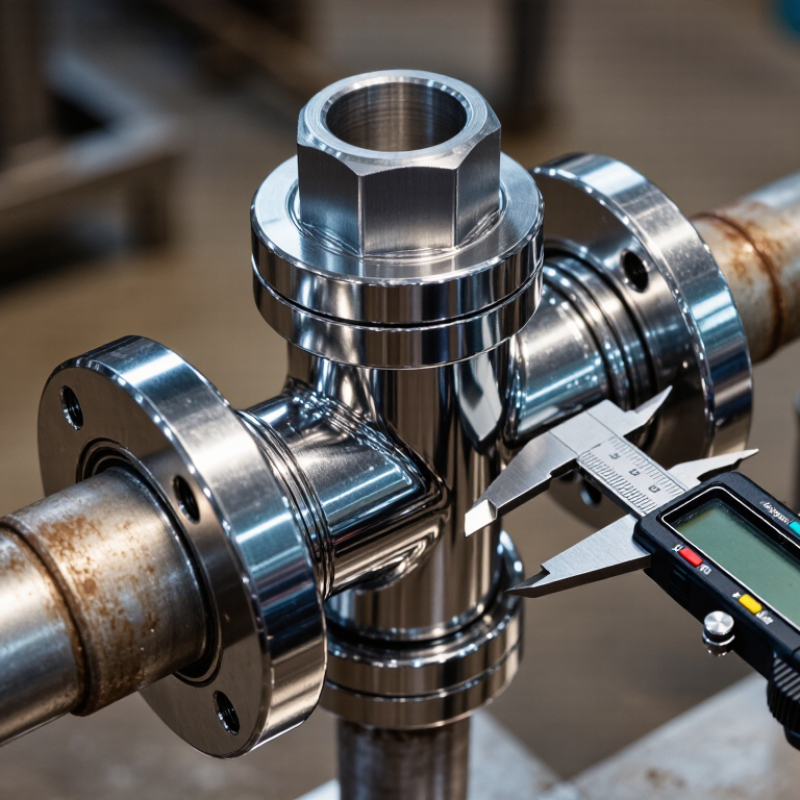
We will examine where the valve will operate, including fluid type, temperature, pressure, and cleaning exposure. A workshop technician should inspect plating uniformity, edge coverage, thread quality, and visible surface defects. A digital caliper can reveal inconsistent dimensions around the connection points. Product certificates and pressure-test records also support more dependable purchasing decisions.
The discussion will compare industrial, hydraulic, pneumatic, and general-purpose applications. It will also address seal compatibility, flow control, installation practices, and long-term inspection. Some choices remain imperfect. A lower-cost valve may appear efficient until replacement labor and unexpected downtime are included. Conversely, an expensive Chrome Plated Valve may offer little value in a mild environment.
These seven tips are designed to support careful judgment, not automatic selection. Always verify manufacturer data before installation. Reliability starts with evidence.
Define Valve Service Conditions: Pressure Classes 150–2500 per ASME B16.34
Choosing a chrome plated valve starts with service conditions, not appearance. ASME B16.34:2022 defines pressure classes from 150 to 2500, but Class 150 does not mean 150 psi. The allowable pressure changes with temperature, body material, and design details. A valve rated Class 600 at 38°C may handle far less pressure at elevated temperatures. Check the standard’s pressure-temperature tables carefully.
Tip 1: Record the maximum pressure, operating temperature, fluid, flow direction, and cycling frequency. Include upset conditions. A forgotten steam surge can damage trim quickly. Chrome plating may improve surface hardness and wear resistance, but it cannot correct an undersized body or unsuitable sealing material.
Tip 2: Match the valve class to the complete piping system. ASME B16.34 must be read with the applicable flange, welding, and inspection requirements. The 2024 industrial valve market report from Grand View Research estimated the global market above USD 70 billion in 2023, reflecting heavy use across energy, chemical, and water facilities. Market size is not proof of reliability. Test records matter more.
Tip 3: Request material certificates, pressure-test results, coating thickness data, and traceability documents. API 598 provides widely used valve inspection and testing practices, but project specifications may require stricter acceptance limits. One practical mistake is treating a shiny chrome surface as evidence of long service life. It is not. Confirm hardness, adhesion, porosity, and compatibility with the actual medium.
7 Tips for Choosing a Chrome Plated Valve - Define Valve Service Conditions: Pressure Classes 150–2500 per ASME B16.34
| No. | Selection Dimension | Relevant Service Condition | Recommended Evaluation | Chrome Plating Consideration | Applicable Standard or Reference | Practical Selection Guidance |
|---|---|---|---|---|---|---|
| 1 | Pressure class | Design pressure and maximum operating pressure | Select an ASME B16.34 Class 150, 300, 600, 900, 1500, or 2500 valve that exceeds the required pressure at the design temperature. | Chrome thickness does not increase the pressure class of the valve body or pressure boundary. | ASME B16.34 pressure-temperature ratings | Do not treat the class number as a universal pressure value. The allowable pressure depends on body material and temperature. |
| 2 | Design temperature | Minimum, normal, maximum, and upset temperatures | Use the pressure-temperature rating table for the exact valve material and the controlling temperature. | Confirm that the plating process, base material, seals, and lubrication system are suitable for the complete temperature range. | ASME B16.34; applicable material specifications | A rating acceptable at ambient temperature may be reduced at elevated temperature; low-temperature impact requirements may also apply. |
| 3 | Reference rating example | Approximate pressure at 100°F for carbon steel body material | Use the following values only as an initial reference for ASTM A216 WCB-type carbon steel; verify the certified material group and current standard edition. | The coating has no independent ASME pressure rating. | ASME B16.34 pressure-temperature tables | Illustrative ratings: Class 150: 285 psi; Class 300: 740 psi; Class 600: 1,480 psi; Class 900: 2,220 psi; Class 1500: 3,705 psi; Class 2500: 6,170 psi. Actual values must be confirmed from the selected material and standard edition. |
| 4 | Fluid compatibility | Water, oil, gas, steam, chemicals, abrasive or particle-laden media | Review fluid composition, concentration, pH, chloride content, velocity, solids content, and contamination risks. | Hard chrome can improve surface hardness and wear resistance, but it is not universally resistant to acids, chlorides, or aggressive chemicals. | Manufacturer chemical-compatibility data; ASTM coating test methods where specified | Specify the base metal, chrome type, coating thickness, substrate preparation, and chemical limits rather than requesting “chrome plated” alone. |
| 5 | Valve end connection | Flanged, threaded, socket-weld, or butt-weld piping system | Match the valve connection, nominal pipe size, facing, bore, wall thickness, and pressure class to the piping design. | Protect plated surfaces from impact, excessive tightening, welding heat, and installation damage. | ASME B16.5 for many flanges; ASME B16.25 for butt-weld ends; ASME B16.34 for valve requirements | Confirm dimensional compatibility and gasket selection before ordering, especially when changing pressure class or flange facing. |
| 6 | Leakage and testing | Required shutoff, shell integrity, and fugitive-emission performance | Define the valve test standard, seat leakage acceptance, test medium, duration, and documentation requirements. | Inspect the plating for pinholes, flaking, cracks, edge damage, and dimensional buildup that could affect sealing. | API 598 or the project-specified valve inspection and testing standard | Pressure testing must validate the complete assembled valve; coating inspection alone cannot demonstrate pressure-boundary integrity. |
| 7 | Operation and maintenance | Manual or automated operation, cycling frequency, accessibility, and maintenance interval | Check operating torque, actuator sizing, stem arrangement, installation orientation, drain or vent requirements, and spare-part availability. | Verify that repeated cycling, abrasive service, and contact with seats or packing will not prematurely wear the plated surface. | ASME B16.34; actuator and project maintenance specifications | Select plating for a defined wear or friction requirement, and establish repair or recoating limits before commissioning. |
Important: ASME pressure classes are designations rather than fixed pressure values. Final valve selection must be based on the applicable ASME B16.34 pressure-temperature rating for the exact body and trim materials, design temperature, fluid, end connection, and testing requirements.
Choose a global leader for your hydraulics solutions
How can we help you?
Call to 0034 943884600 Contact us