
How to Choose the Right Hydraulic Cylinder for Your Project?

Choosing the right hydraulic cylinder is crucial for project success. According to the Fluid Power Journal, the global market for hydraulic cylinders is projected to reach $30 billion by 2025. This growth highlights their importance in various industries, such as construction, manufacturing, and automotive. Selecting the appropriate hydraulic cylinder involves understanding key specifications.

Hydraulic cylinders come in different sizes and designs, each suited to specific tasks. For instance, double-acting cylinders provide more force and control than single-acting models. However, not every project requires high force or complexity. An oversize cylinder can lead to inefficiency and unnecessary costs. Similar mishaps, like selecting the wrong type, can result in system failures.

Moreover, factors like stroke length, bore size, and mounting style significantly impact performance. It's essential to evaluate not only the task but also the environment where the hydraulic cylinder will operate. These details matter to ensure reliability. In summary, the importance of selecting the right hydraulic cylinder cannot be overstated as it shapes project outcomes.
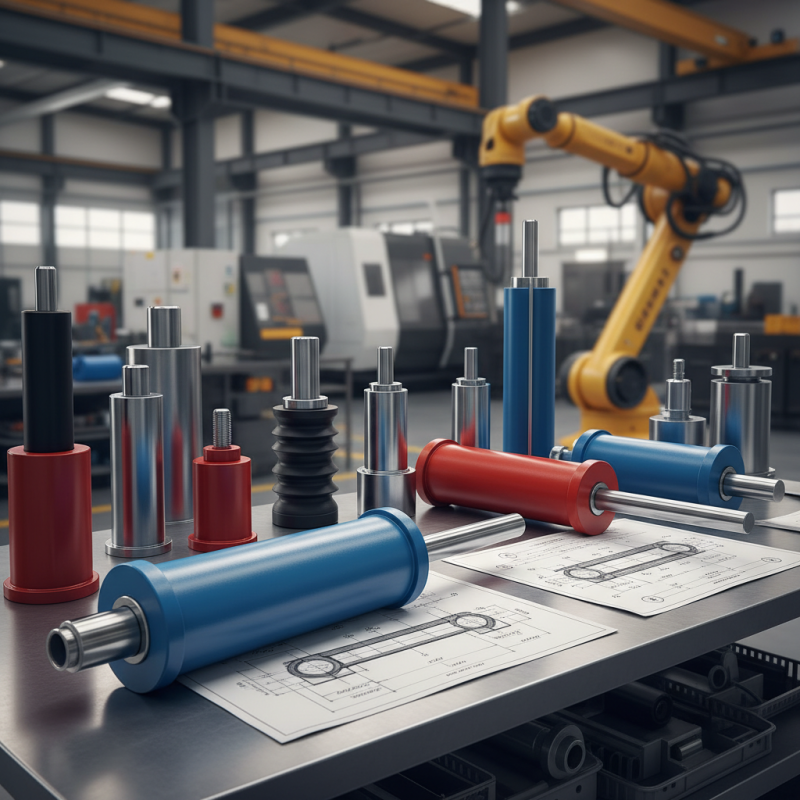
How to Choose the Right Hydraulic Cylinder for Your Project?

Understanding the Basics of Hydraulic Cylinders and Their Applications

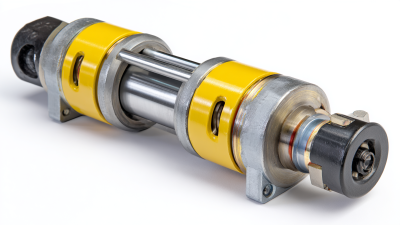
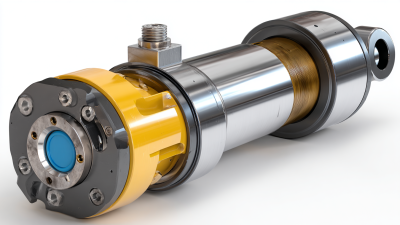
Hydraulic cylinders are critical components in many machines. They convert fluid power into linear motion, enabling heavy loads to be moved effortlessly. Knowing their basics helps in choosing the right type for your project. These cylinders come in various sizes and designs. It's essential to understand your specific requirements.

Consider the application of the hydraulic cylinder. Will it be used in construction, manufacturing, or perhaps automotive systems? Each application has its unique demands. The force needed and the stroke length are crucial factors. Many people overlook these details. Remember, precision in selection affects performance and safety.

Installation plays a pivotal role too. Ensure you can access the cylinder for maintenance. Check the working environment; is it exposed to extreme temperatures or vibrations? These factors can impact the cylinder's longevity. Reflecting on these aspects can prevent future issues, making the final choice more straightforward. Simple mistakes in the selection process can lead to significant project delays. It's always wise to revisit choices made early on.
Identifying Key Specifications for Your Project's Hydraulic Cylinder

When selecting a hydraulic cylinder, understanding specific project requirements is crucial. Identify the type of motion you need: linear or rotary? This decision impacts cylinder design and functionality. Consider load capacity too. Determine the maximum weight the cylinder will handle. This ensures safety and efficiency in operation.

Another key specification is the cylinder bore size. A larger bore can lift heavier loads but may require more power. Pay attention to stroke length as well. Too short might limit functionality; too long could waste space. Don't overlook the mounting style. Proper mounts ensure stability and alignment during operation.

Hydraulic fluid type is another important factor. Compatibility affects performance and longevity. Examine your project environment as well—temperature fluctuations can demand special materials or sealing methods. Each specification requires careful analysis and thoughtful decisions to optimize the hydraulic cylinder's performance. Keep in mind that even small miscalculations can lead to significant operational issues. Thus, a meticulous approach in selecting these specifications is vital.

Hydraulic Cylinder Specifications Comparison

This bar chart illustrates key specifications for hydraulic cylinders, including bore diameter, rod diameter, stroke length, and operating pressure. These factors are crucial when selecting the right hydraulic cylinder for your project.

Evaluating Different Types of Hydraulic Cylinders Available

How to Choose the Right Hydraulic Cylinder for Your Project?

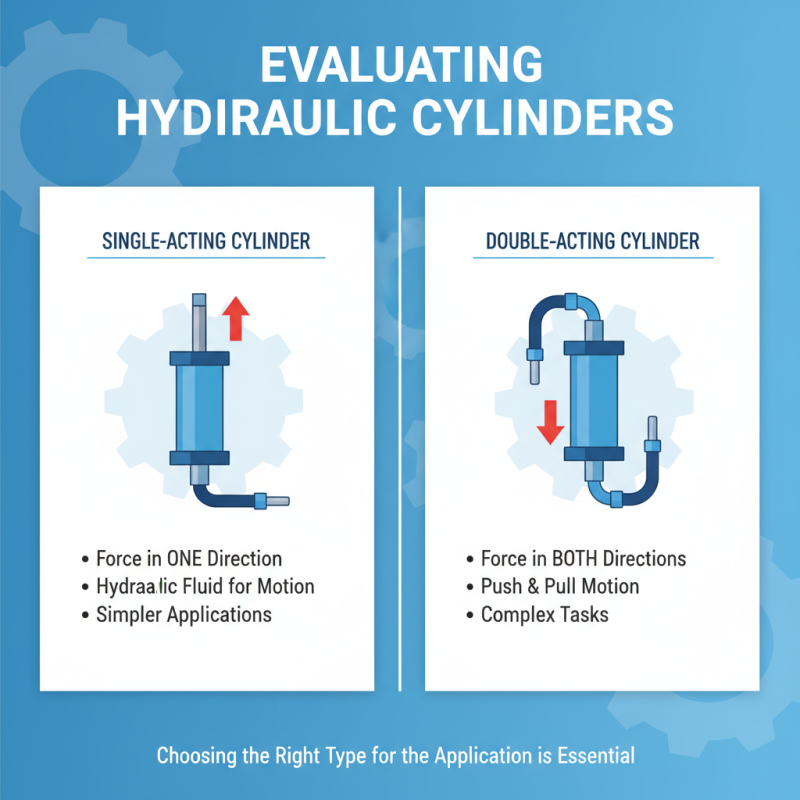
When evaluating different types of hydraulic cylinders, understanding the applications is essential. Hydraulic cylinders come in various designs, including single-acting and double-acting types. A single-acting cylinder applies force in one direction, using hydraulic fluid to create motion. Meanwhile, a double-acting cylinder can apply force in both directions. This versatility often makes double-acting cylinders more suitable for complex tasks.

Research shows that the global hydraulic cylinder market is projected to grow at a CAGR of 5.4%, reaching $20.1 billion by 2025. Key industries driving this growth include construction, agriculture, and manufacturing. For instance, a double-acting cylinder provides consistent performance, which is crucial in machinery that requires both lifting and lowering functions. Yet, choosing the right type depends on specific project requirements, such as the available space and pressure levels.

Beyond type selection, cylinder size and material play a crucial role in performance. Common materials include steel and aluminum, each offering distinct advantages. Steel provides strength for heavy-duty machines, while aluminum offers lighter weight for mobile applications. However, engineers must carefully assess the environment and potential wear factors, as the wrong choice could lead to inefficiencies or premature failure. Understanding these details helps in making more informed decisions for hydraulic systems.

Factors Influencing Hydraulic Cylinder Selection for Optimal Performance

When selecting a hydraulic cylinder, several key factors come into play. The cylinder's purpose within the project is paramount. Consider the load it needs to lift or move. Is it a heavy object or something more manageable? Understanding the weight allows for better cylinder size and power calculations.

Next, think about the operating environment. Will the cylinder face extreme temperatures or corrosive substances? These conditions can affect the material choice and seals in the cylinder. Choosing the right materials ensures durability and a longer lifecycle.

Another vital aspect is the speed at which the cylinder operates. Different projects may require varying speeds for efficiency. A cylinder providing too much speed may lead to reduced control. Conversely, too slow can waste time. Balance is key. It's essential to reflect on your project needs and how these elements align with optimal cylinder performance. This reflection can guide toward making more informed choices.

How to Choose the Right Hydraulic Cylinder for Your Project? - Factors Influencing Hydraulic Cylinder Selection for Optimal Performance

Factor Description Influence on Selection
Application Type The specific nature of the work being performed (lifting, pushing, pulling). Determines the type of cylinder required (e.g., double-acting, single-acting).
Load Requirements The maximum load the cylinder needs to lift or move. Influences cylinder size and strength specifications.
Stroke Length The distance a cylinder can extend and retract. Critical in determining the version of the cylinder needed for the project.
Operating Pressure The pressure at which the hydraulic system operates. Specifies the performance capability and material compatibility of the cylinder.
Mounting Style How the cylinder will be mounted within the application. Affects the configuration of the cylinder and its installation process.
Environmental Conditions Conditions such as temperature, humidity, and exposure to elements. Impacts material selection and seal types to ensure durability.
Speed of Operation The desired speed at which the cylinder should operate. May dictate the size of the ports and internal components.

Common Mistakes to Avoid When Choosing Hydraulic Cylinders

Choosing the right hydraulic cylinder involves several critical factors. One common mistake is not considering the application’s specific requirements. Each project may demand specific forces, strokes, and mounting configurations. Failing to account for these can lead to inefficient operation and increased wear on the equipment.

Another frequent error is overlooking the importance of duty cycle. Hydraulic cylinders can operate continuously or intermittently. Ignoring this aspect can result in cylinder failure due to overheating or excessive stress. Assessing how often the cylinder will be used helps in selecting the right type. Additionally, don’t forget about the environment. Factors like temperature, humidity, and exposure to corrosive substances can significantly impact performance.

One must consider compatibility with hydraulic fluids. This detail is often neglected, which can lead to severe corrosion or premature cylinder failure. It’s essential to match cylinder materials with the fluid type you plan to use. Lastly, remember to consult with experienced professionals. Their insights can help you avoid these pitfalls and enhance the project's overall effectiveness. Taking the time to research and evaluate these aspects can save you time and resources in the long run.

Choose a global leader for your hydraulics solutions

How can we help you?

Call to 0034 943884600 Contact us
Call us Contact us

We use cookies to ensure that we give you the best experience on our website. If you continue without changing your settings, we'll assume that you agree to receive cookies on the HINE website. For more information read our cookie policy page, click the link for more information.plugin cookies

ACEPTAR
Aviso de cookies