
How to Choose the Right Hydraulic Motor for Your Needs?

Choosing the right hydraulic motor is essential for optimal performance in various applications. Hydraulic motors convert fluid power into mechanical energy, driving machinery effectively. With various options available, making an informed decision can be challenging.

Understanding your specific needs is crucial. Factors such as torque, speed, and dimensions play significant roles. Often, users underestimate the importance of these specifications. A mismatch can lead to inefficiencies or equipment failure. For example, selecting a motor with excess torque may waste energy and lead to overheating.

Additionally, consider the environment where the hydraulic motor will operate. Factors like temperature and exposure to contaminants should not be overlooked. These can influence the motor's lifespan and performance. Take time to reflect on these aspects. Engaging with a knowledgeable supplier can help ensure that you make a reliable choice tailored to your requirements.
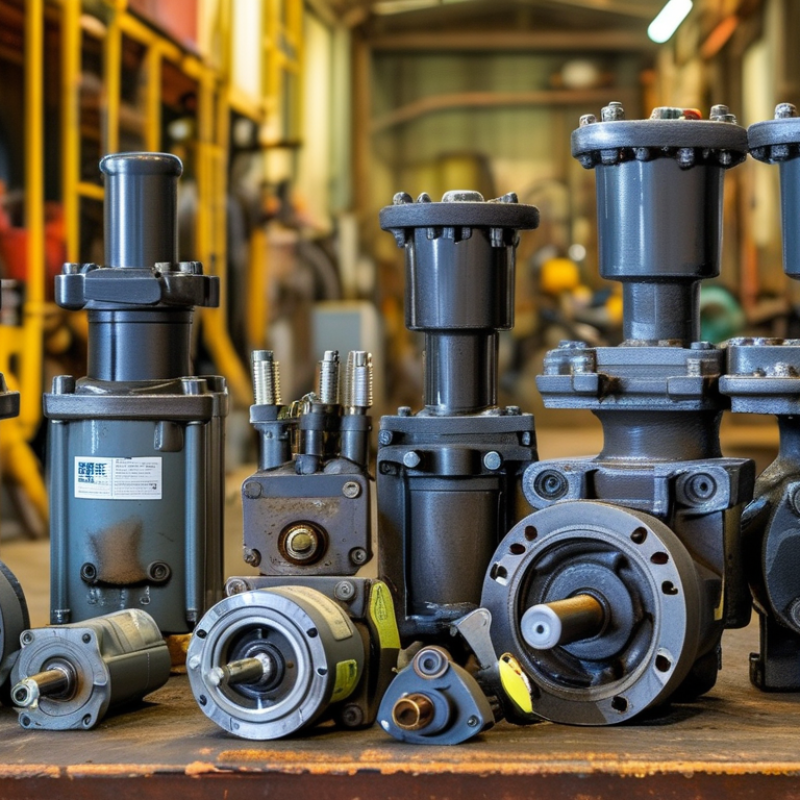
How to Choose the Right Hydraulic Motor for Your Needs?

Understanding Different Types of Hydraulic Motors and Their Applications

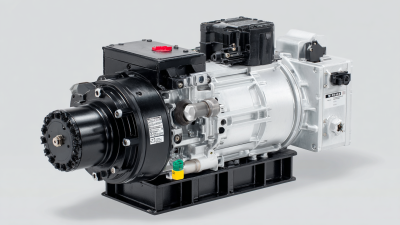
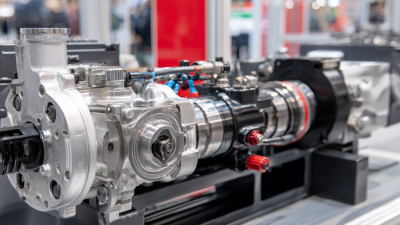
When selecting a hydraulic motor, understanding the various types is crucial. Hydraulic motors typically come in two main types: gear motors and piston motors. Gear motors are simpler in design. They offer moderate efficiency and are often used for lighter applications. Conversely, piston motors excel in high torque situations. They tend to be more complex, allowing for precise control.

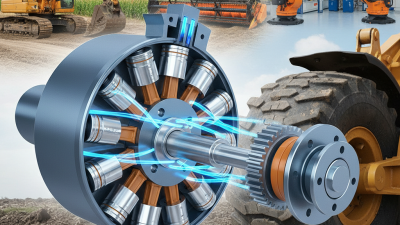
Applications vary widely for these motors. Gear motors are often used in mobile equipment, such as compactors and small excavators. Their straightforward design makes maintenance easier, yet they may lack the required power for heavy-duty tasks. Piston motors find their place in construction machinery and industrial applications. They are suitable for high-load scenarios but can be more expensive to maintain.

Selecting the right motor involves evaluating specific needs. Factors like torque requirements, operating speed, and environmental conditions play important roles. Not every motor fits all situations. Sometimes, a more powerful motor might be necessary, while in other cases, a less complex model will suffice. It's essential to analyze your requirements deeply. Understanding the trade-offs can lead to better long-term performance.

How to Choose the Right Hydraulic Motor for Your Needs? - Understanding Different Types of Hydraulic Motors and Their Applications

Type of Hydraulic Motor Description Applications Advantages Disadvantages
Gear Motor Uses gears to convert hydraulic energy into rotational motion. Agricultural machinery, conveyors, and cranes. High efficiency and reliable torque output. Limited speed range; can be heavy.
Vane Motor Utilizes sliding vanes to produce rotary motion. Mobile equipment, industrial automation, and robotics. Good starting torque and simple design. Lower efficiency at high speeds.
Piston Motor Employs pistons that move in a cylinder to create motion. Heavy machinery, construction equipment, and trucks. High power density and long operational life. Complex design and maintenance.
Gerotor Motor Features an inner rotor that rotates within an outer rotor. Automotive systems, hydraulic drillers, and winches. Compact design and good efficiency. Limited torque output compared to others.

Key Factors to Consider When Selecting a Hydraulic Motor

Choosing the right hydraulic motor is essential for optimizing performance in various applications. Several key factors come into play when selecting a hydraulic motor. One of the most critical aspects is the operating pressure. According to industry studies, selecting motors rated for higher pressures, such as 3000 PSI or more, can dramatically improve efficiency in demanding environments.

Another crucial factor is the required torque and speed. Different applications may require varying torque levels. For instance, construction equipment often demands high torque at low speeds, while agricultural machinery may prioritize speed. Understanding the specific needs of your application ensures the motor aligns with performance requirements.

Additionally, consider environmental conditions. Motors used in extreme temperatures or exposure to harsh elements may require specialized materials. Research indicates that using motors with proper seals and coatings can extend service life by up to 30%. If these elements are overlooked, you risk premature failures and increased downtime. Reflecting on these factors can lead to informed decisions in hydraulic motor selection.

Hydraulic Motor Performance Comparison

Calculating the Required Torque and Speed for Your Project

When selecting a hydraulic motor, calculating the required torque and speed is crucial. Torque is the rotational force the motor generates. It's vital for applications that require a significant load to be moved or turned. For instance, many industrial applications may need torque levels between 30-100 Nm, depending on the machinery involved. The precise calculation depends on the project requirements, including load weight and distance.

Speed, measured in revolutions per minute (RPM), is equally important. Hydraulic motors typically operate within a range of 100 to 3000 RPM. However, too high a speed can cause excessive wear or system failures. Referencing industry reports, it’s noted that optimal RPM should align with the desired torque for maximum efficiency. An imbalance can lead to performance issues and increased energy consumption.

Mistakes often occur during these calculations. Sometimes, engineers may overlook the effect of load changes over time. Seasonal variations can alter operational demands, impacting torque and speed requirements. Regular reviews and recalibrations of your system are necessary for maintaining optimal performance. Understanding these factors can lead to better decisions in motor selection.

Evaluating Efficiency and Performance Ratings of Hydraulic Motors

Choosing the right hydraulic motor involves understanding efficiency and performance ratings. These factors greatly impact both your system's functionality and longevity. Efficiency ratings indicate how well a motor converts hydraulic energy into mechanical work. The higher the rating, the better the performance in energy consumption.

Performance ratings often include torque output and speed. High torque motors are ideal for heavy-duty applications. If your project requires quick movement, consider motors that can achieve higher speeds. Balancing these ratings will optimize your application. Assessing your application needs will help make informed choices.

Tip: Always match the motor's specifications with your equipment’s requirements. Overloading a motor can lead to premature failure. Tip: Regularly review the performance data of hydraulic motors. This can reveal trends which assist in maintenance and replacements. Keeping a close watch on these factors will enhance system reliability and efficiency.

Assessing Compatibility with Existing Systems and Components

Choosing the right hydraulic motor requires careful evaluation of compatibility with your existing systems. This step is crucial to avoid costly modifications later. Check the specifications of your current setup. Understand the power requirements and operating pressure limits. Each element plays a critical role in ensuring seamless integration.

Tips: Always measure the available space for the new motor. Consider the mounting configurations as well. Many systems have specific dimensions that must be adhered to, so take note of those measurements.

When selecting a hydraulic motor, examine the connections. Different motors have various port sizes and types. Ensuring the port compatibility can save time on installation. It's not uncommon to encounter mismatched connections, leading to leaks or operational failure.

Tips: Consult with a hydraulic specialist if unsure about compatibility issues. They can offer insights based on experience and technical knowledge. A small oversight during selection can lead to inefficiencies and increased maintenance costs down the line. Be diligent in your research and confirm compatibility before finalizing your choice.

Choose a global leader for your hydraulics solutions

How can we help you?

Call to 0034 943884600 Contact us
Call us Contact us

We use cookies to ensure that we give you the best experience on our website. If you continue without changing your settings, we'll assume that you agree to receive cookies on the HINE website. For more information read our cookie policy page, click the link for more information.plugin cookies

ACEPTAR
Aviso de cookies