
What is the Difference Between Pneumatic and Hydraulic Systems?

Pneumatic and hydraulic systems are essential in various industrial applications. Understanding their differences is crucial for engineers and technicians. Both systems use pressure to perform tasks, yet their mechanisms vary significantly.

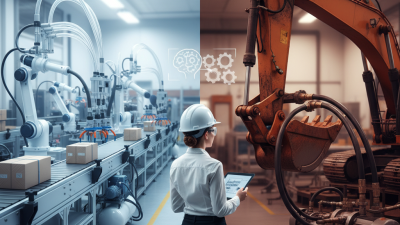
Pneumatic systems rely on compressed air or gas for power. They excel in applications that require quick, repeated movements. Examples include packaging machines and automated assembly lines. In contrast, hydraulic systems use pressurized liquids, providing greater force. Commonly found in construction equipment, they can lift heavy loads with ease.

Choosing between pneumatic and hydraulic systems depends on specific project needs. It's essential to assess factors like power requirements and operating environment. While pneumatic systems may be simpler, hydraulic systems often yield better performance in demanding conditions. Recognizing these nuances can lead to more efficient and effective engineering solutions.
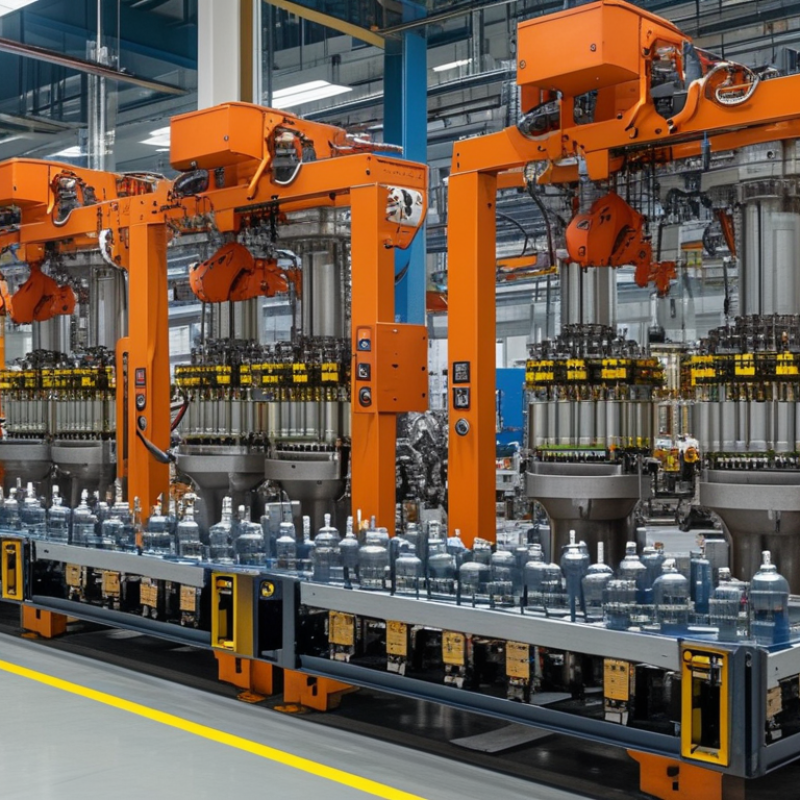
What is the Difference Between Pneumatic and Hydraulic Systems?

Definition of Pneumatic Systems and Their Components

Pneumatic systems use compressed air to transmit power. They consist of several key components, including compressors, valves, and actuators. These systems are known for their speed and efficiency. However, they might not be suitable for applications requiring high precision or heavy lifting.

One important part of pneumatic systems is the compressor. It compresses air and stores it in a tank for later use. Valves control the flow and direction of air. Actuators convert the stored air into mechanical motion. Understanding these components is crucial for effective system design and maintenance.

Tips: Regularly check the air quality. Contaminated air can damage components. Ensure that all connections are tight to prevent leaks. Inconsistent pressure can lead to unreliable performance. Keeping an eye on maintenance can save costs in the long run.

Definition of Hydraulic Systems and Their Components

Hydraulic systems utilize pressurized fluid to perform work. These systems are essential in various industries, including manufacturing and construction. They consist of key components: a hydraulic pump, valves, cylinders, and fluid reservoirs. Each part plays a critical role. The pump generates flow, while valves control it. Cylinders convert hydraulic energy into mechanical energy.

The hydraulic pump is often driven by an electric motor or diesel engine. Studies show that around 90% of construction equipment operates using hydraulic technology. This indicates the significant reliance on these systems for heavy lifting and movement. Fluid reservoirs store hydraulic oil, which must be maintained regularly to ensure system efficiency. Quality fluid is crucial; contamination can lead to system failures.

However, maintaining a hydraulic system has its challenges. Improper maintenance can result in leaks or pressure loss. Such issues may indicate component wear. Identifying these problems early can prevent costly repairs. Industry data suggests that poorly maintained systems can increase operational costs by up to 20%. Awareness and regular checks are vital for optimal performance.

What is the Difference Between Pneumatic and Hydraulic Systems?

Dimension Pneumatic Systems Hydraulic Systems
Medium Used Compressed Air Liquid (usually oil)
Pressure Range 80-120 psi 1000-5000 psi
Speed of Operation Fast Slower
Applications Automated assembly, packaging Construction equipment, heavy machinery
Cost Less expensive More expensive
Maintenance Lower maintenance Higher maintenance
Environmental Impact Minimal risk, but requires energy Potential leaks can be harmful

Key Differences Between Pneumatic and Hydraulic Systems

Pneumatic and hydraulic systems serve crucial roles in various industries. The main difference lies in the medium they use. Pneumatic systems rely on compressed air, while hydraulic systems use pressurized liquids. This fundamental distinction affects their performance and applications.

Pneumatic systems are typically lighter and faster. They excel in applications requiring quick, repetitive movements. However, they may lack the power needed for heavy lifting. In contrast, hydraulic systems deliver significant force. They are ideal for tasks like lifting heavy machinery. Yet, they can be heavier and slower than their pneumatic counterparts.

Cost and maintenance also differ between the two. Pneumatic systems can be more cost-effective. They often require less maintenance and simpler components. Hydraulic systems, while powerful, may have higher maintenance costs due to potential leaks. Understanding these differences helps in selecting the right system for specific needs.

Comparison of Pneumatic and Hydraulic Systems

Advantages and Disadvantages of Pneumatic Systems

Pneumatic systems utilize compressed air for operation. They are commonly found in tools like drills and conveyor systems. One clear advantage is their speed. These systems can generate power very quickly, making them ideal for tasks requiring rapid movement. Their installation is often simpler than alternatives, which can save time and labor costs.

However, there are downsides to consider. Pneumatic systems can be less efficient than hydraulic systems when it comes to energy usage. Air is compressible, which can lead to losses in performance under pressure. Additionally, maintaining consistent pressure can be a challenge. This can impact the system’s overall reliability and effectiveness in some applications.

Noise is also a concern. Pneumatic tools can be quite loud, requiring ear protection in work environments. Furthermore, systems may suffer from air leaks, which reduces efficiency and increases operational costs. These factors need consideration when selecting between pneumatic and hydraulic options. Balancing advantages and disadvantages is essential for optimal performance.

Advantages and Disadvantages of Hydraulic Systems

Hydraulic systems have unique advantages and disadvantages that make them suitable for various applications. One significant advantage is their ability to generate large amounts of force. This characteristic is crucial in construction and industrial machinery. For instance, hydraulic presses can easily crush metal, while hydraulic excavators lift heavy materials effortlessly. Additionally, hydraulic systems can operate effectively under heavy loads, providing consistent power and performance.

However, there are notable disadvantages as well. Hydraulic fluid leaks can pose environmental risks and safety hazards. Maintenance can become costly due to potential wear and tear on hydraulic components. Furthermore, hydraulic systems may require considerable space for installation, which can be a limitation in compact settings. The fluid nature of hydraulics also means they can be less responsive than pneumatic systems in some situations. These factors require careful consideration when choosing the right system for a specific application.

Choose a global leader for your hydraulics solutions

How can we help you?

Call to 0034 943884600 Contact us
Call us Contact us

We use cookies to ensure that we give you the best experience on our website. If you continue without changing your settings, we'll assume that you agree to receive cookies on the HINE website. For more information read our cookie policy page, click the link for more information.plugin cookies

ACEPTAR
Aviso de cookies